Africa-Press – Rwanda. Less than a year after the Ministry of Education ordered École Belge de Kigali to end the Belgian curriculum, the school has re-emerged as École Polaris, now embracing the International Baccalaureate (IB) programme and trying to convince parents that the change is not a setback, but an opportunity.
IB is a globally recognised programme for learners, which emphasises critical thinking, real-world learning and a global outlook, preparing students for university and beyond.
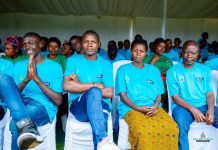
During an “Open House” held on March 28, the school opened its doors to parents and visitors to showcase what the transition looks like in practice. Photos by Craish BAHIZI
During an “Open House” held on March 28, the school opened its doors to parents and visitors to showcase what the transition looks like in practice.
Opening doors to a new learning experience
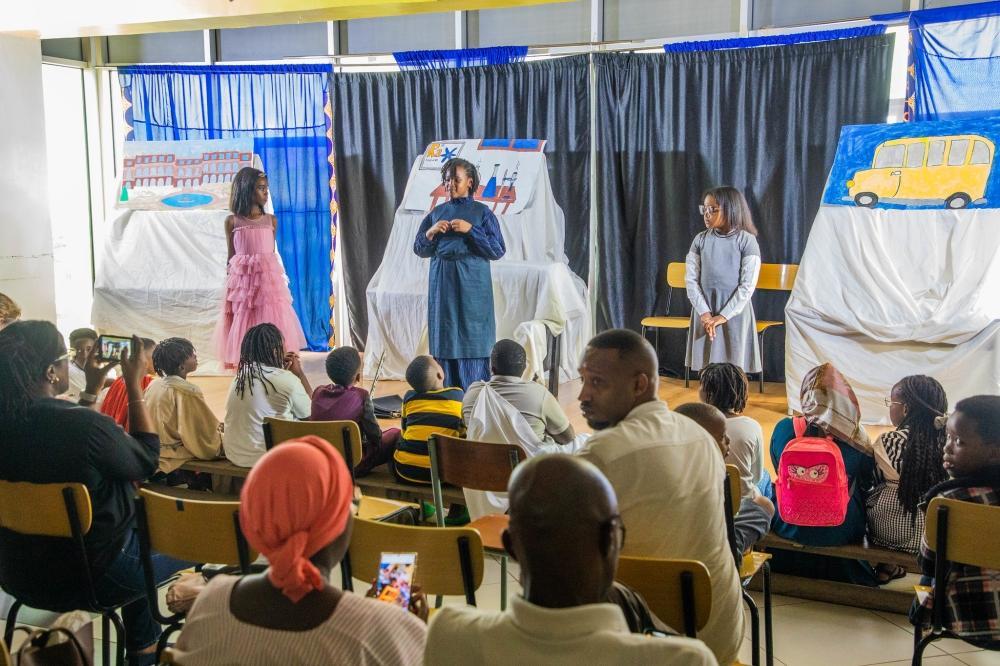
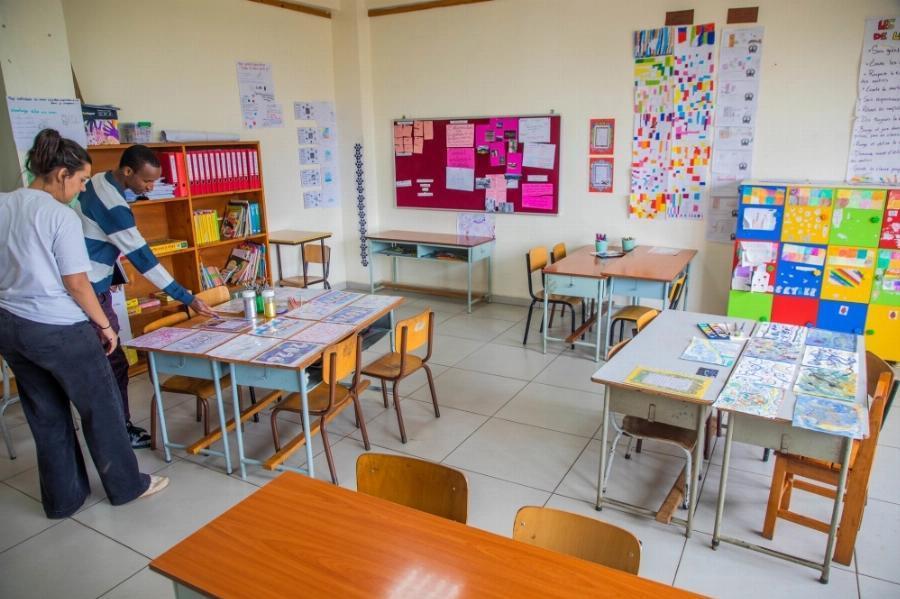
Instead of rows of students silently copying notes from a blackboard, classrooms were filled with theatre performances, reading workshops, cardboard village models, drawings, crafts and research projects designed by the students themselves.
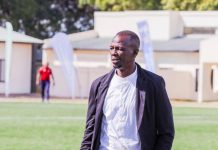
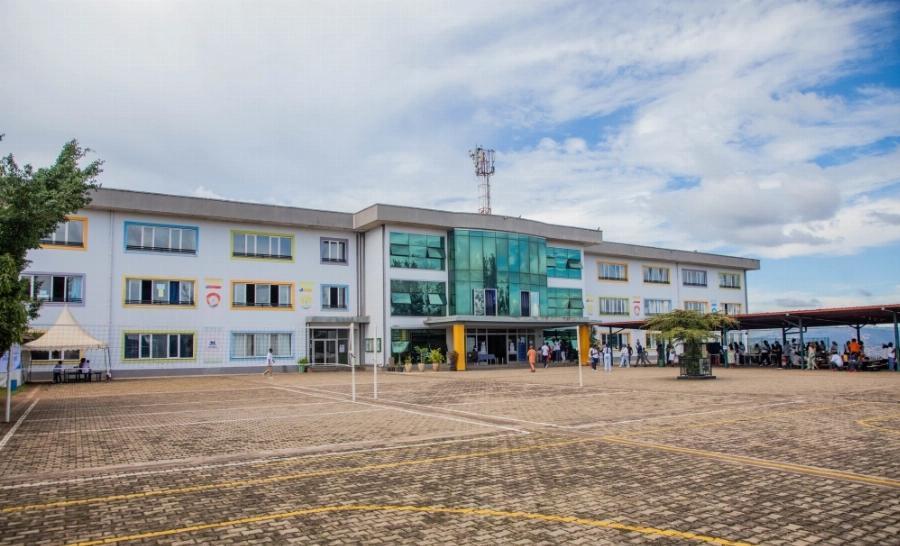
École Polaris is located at Gisozi in Gasabo District.
Located in Gisozi, Kigali, the school now has nearly 400 students and aims to increase enrollment in the next academic year.
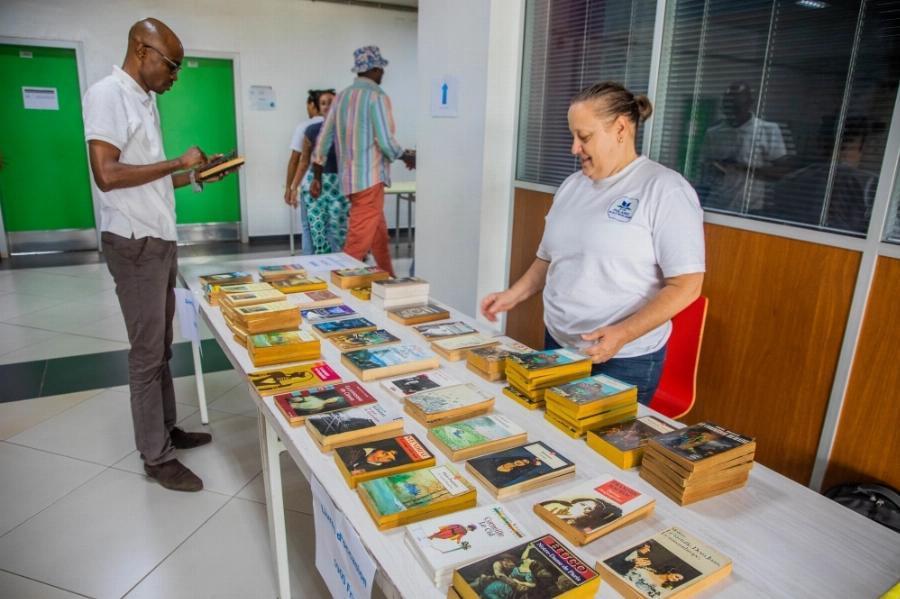
The event, which featured a book and educational games fair, guided tours, storytelling workshops and demonstrations of extracurricular activities, was intended to send a simple message that the school is still here and is evolving to deliver better results.
From diplomatic fallout to education shift
The school, which has existed in Kigali for about 60 years, was forced to find a new direction after Rwanda severed diplomatic ties with Belgium in March 2025 and the Ministry of Education directed it to stop teaching the Belgian curriculum.
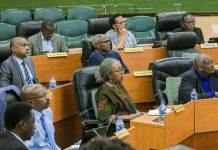
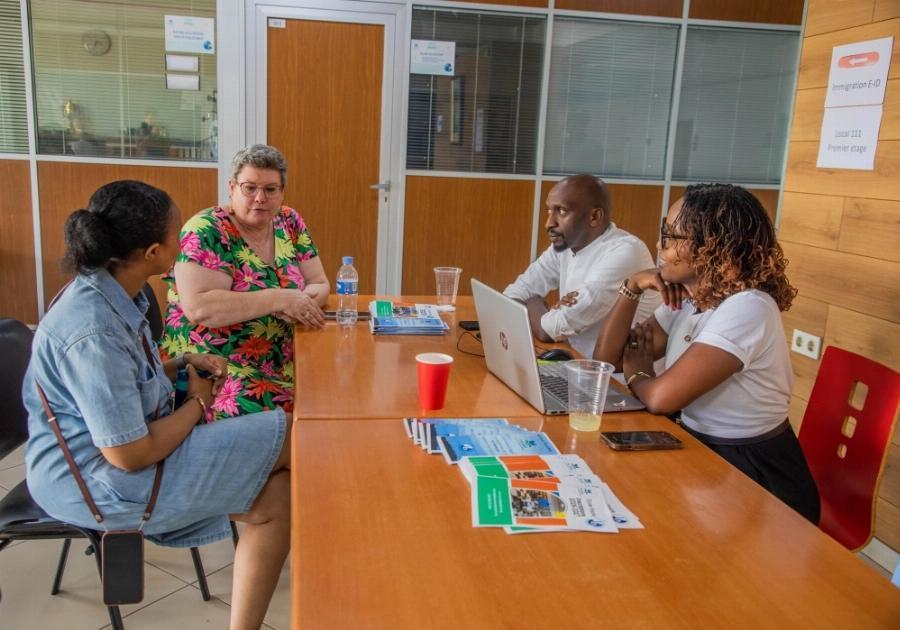
Parents interact with school officials as École Polaris, formerly École Belge, begins embracing the International Baccalaureate (IB) programme. All Photos by Craish Bahizi.
According to Head of School Delphine Vico, the transition came suddenly and left the school with only a few months to prepare for the new academic year.
“We had a lot of parents who were scared that the school would not continue. We worked throughout the holidays to find people who had experience with the IB programmes because we knew almost nothing about it,” Vico said.
Several alternatives were considered, but after an in-depth analysis the school eventually settled on the International Baccalaureate.
“The Ministry helped us analyse the different programmes,” she said. “We wanted an international diploma so that our students could continue to university anywhere in the world. IB in French was without any doubt the best option for the school.”
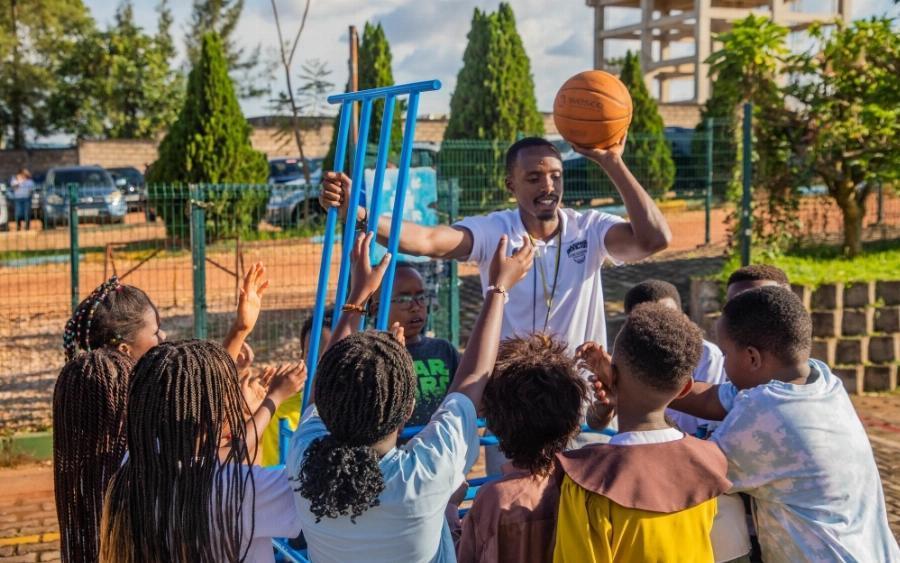
Sports teacher gives instructions to the students during a sports lesson.
The school has now adopted the IB from nursery to secondary school, including the Primary Years Programme, the five-year Middle Years Programme and the two-year Diploma Programme for students preparing to enter university.
Vico said the school spent months recruiting new staff and before December, all teachers had been trained in the IB program
“Before the students arrived, we had a week of really intensive work on what the IB is and how we would work. Furthermore, every Wednesday afternoon, teachers met to work together, and that is how we put the three programmes in place step by step.”
The school now has nearly 400 students and aims to increase enrollment in the next academic year.
A new way of teaching and learning
To support that effort, the school brought in specialists such as Bruno Costemale, the Diploma Programme coordinator, who previously worked in an IB school in Egypt for more than 10 years. The PYP coordonnator, Céline Baltramonaitis was also been hired because of her extensive experience teaching the IB programme at another school in Kigali.
Costemale said the biggest difference is the philosophy of learning itself.
“In the Belgian system, the teacher gave the lesson and students followed the textbooks,” he said. “Now the teacher is more of a facilitator. Students learn through research and enquiry. We give them information, but they have to discover and use it themselves.”
He said that change has been difficult, especially for older students who were used to a more traditional style of teaching.
“At the beginning, they thought they were not doing anything,” Costemale said. “They were used to memorising and repeating what the teacher said. Suddenly we asked them: what do you think? Why? Can you explain? Can you analyse?”
For the first six months, many students struggled to adapt. But Costemale said they are now beginning to understand that the new system is more demanding than the previous one.
“It is not easy,” he said. “In fact, it demands much more of students because they have to think, research and defend their ideas.”
He added that students are also assessed differently. Instead of receiving a single mark, they are graded according to several criteria, allowing them to understand more clearly where they are strong and where they need to improve.
“It is more motivating,” Costemale said. “A student may have difficulties in language but still get a good result because they have good ideas, good organisation and strong analytical skills.”
Costemale believes the school is now on track to become one of the few schools in the world to offer all three IB programmes entirely in French.
“If we obtain all three authorisations, we will become only the third school in the world to offer the full IB continuum in French,” he said.
Teachers embrace a collaborative approach
For teachers, the new programme has also transformed the way they work.
Wendy Olsen, who teaches at the school and is also a parent, said the transition has been exhausting but rewarding.
“For 15 years I taught in the old system,” she said. “The IB is completely different. It is much more dynamic.”
“Before, I would just give my lesson and the children would follow the books,” she added. “Now the children investigate, ask questions, go home, speak to their parents, come back with ideas and present them.”
Olsen said the programme has also encouraged more teamwork among teachers.
“It is not one teacher alone in one classroom anymore. We work together around themes, so everything is connected,” she added.
She pointed out that younger children have adapted particularly quickly.
“The six- to twelve-year-olds adapted to the new system very easily,” she said. “Older students need more time because they are used to memorising. Now they are asked: “Why do you think that?”
Parents begin to see results
Parents, too, say they are beginning to see the benefits.
Annie Gray, whose two children have attended the school for years, said she never considered taking them elsewhere, despite the uncertainty that surrounded the transition.
“We were not prepared for that transition, and we did not even know it would happen. It caused some disruption for both the children and us. But we stayed because we knew this school had the capacity to deal with any challenge.”
Gray said the trust came from years of watching the school support her children.
“They always kept us informed. Whenever they were going to make a decision or change something, they invited us and explained what was happening,” Gray told The New Times.
She believes the change in teaching methods is already having an impact on students.
“Their intellectual performance has changed and it is much better now,” Gray said. “Before, it was mainly about writing and repeating what the teacher told them. Now they search for things themselves, they become creative and they learn to think.”
For More News And Analysis About Rwanda Follow Africa-Press