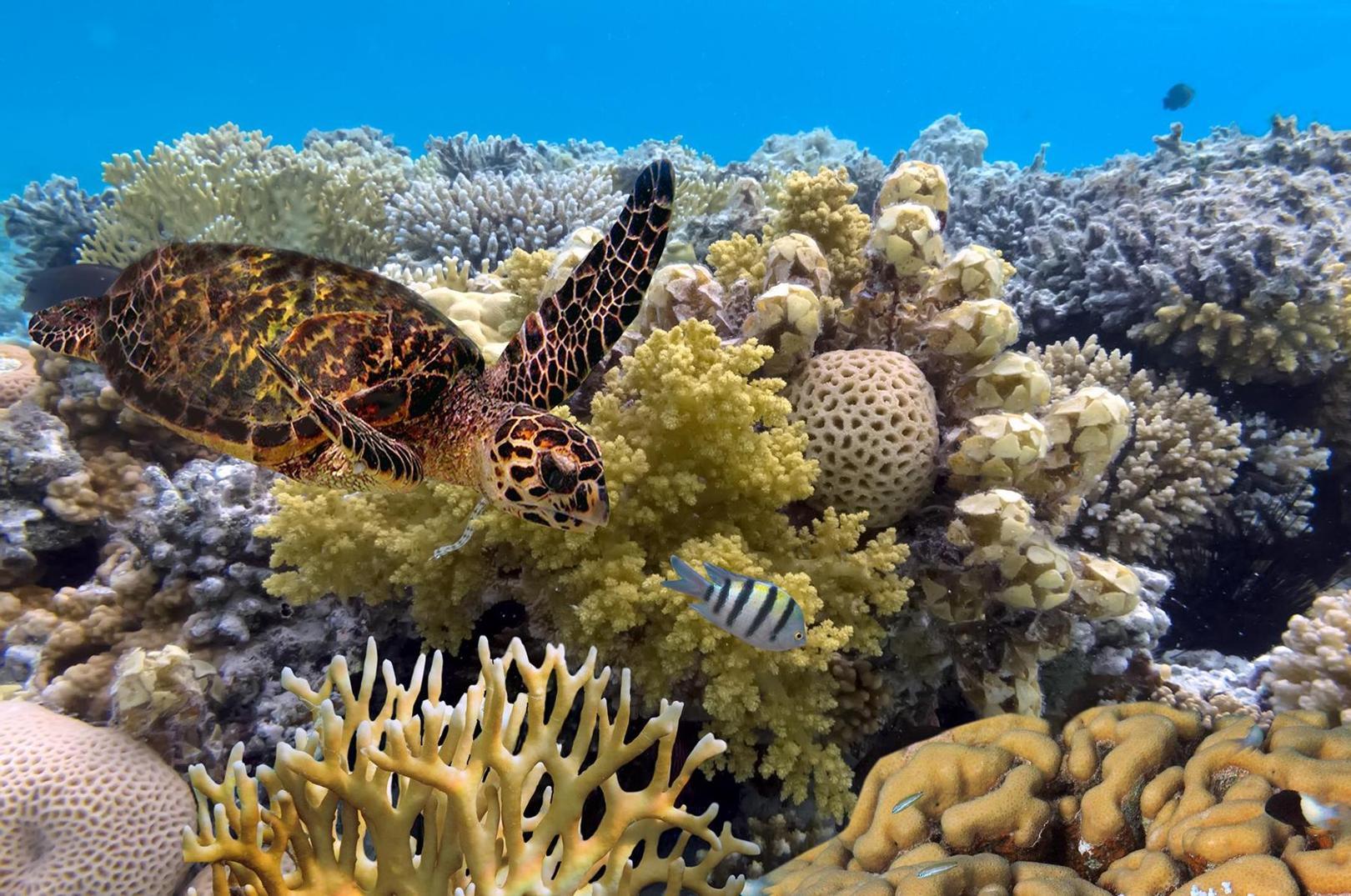
Africa-Press – Seychelles. In the azure embrace of the Indian Ocean, Seychelles has long been celebrated as a paradise for its pristine beaches, vibrant coral reefs, and diverse marine life. Yet, beneath the postcard-perfect surface, a mounting crisis looms. Plastic pollution, a global scourge, has found its way to the shores of Seychelles, threatening the very ecosystems that make these islands a natural wonder. This article delves into the urgent issue of plastic pollution in Seychelles’ oceans, exploring its origins, its impact on marine life and local communities, and the concerted efforts being made to preserve this island nation’s environmental treasures.
According to a recent study conducted by the University of Oxford and published in Marine Pollution Bulletin, a high-resolution model has been developed to assess the origins of plastic debris accumulating on the beaches of Seychelles and other island states in the western Indian Ocean. The study’s findings unequivocally reveal that the predominant source of this waste is distant locations, rather than originating from the islands themselves.
The study, which involved simulating the movement of both land-based and marine types of plastic pollution across the world’s oceans, utilised input data on ocean currents, waves, and winds. Additionally, it incorporated data on plastic debris entering the ocean from coastal populations, rivers, and fisheries. This comprehensive approach enabled the study to predict plastic debris accumulation at 27 specific sites within Seychelles and the broader western Indian Ocean region. This research is detailed in the study published in Marine Pollution Bulletin.
According to the Blue Marine Foundation, the issue of marine waste, which includes items like Fish Aggregating Devices (FADs), reaching Aldabra Atoll is reaching an alarming and unacceptable level. In 2019, a major cleanup effort, a co-led expedition, resulted in the removal of 25 tonnes of waste from Aldabra’s coastline. However, this substantial effort only addressed a mere five percent of the annual waste problem.
The foundation further reveals that data extrapolation indicates an astonishing accumulation of over 500 tonnes of waste on Aldabra Atoll alone, with more waste continuously making its way to the island. An astounding 83 percent of the total plastic waste that was cleaned up during the effort was traced back to industrial fishing, encompassing discarded lines, ropes, nets, and, notably, Fish Aggregating Devices (FADs).
For More News And Analysis About Seychelles Follow Africa-Press