JAMES KABAKA QUINTOUS LEON
Africa-Press – South-Sudan. The construction of the Juba-Torit-Kapoeta-Kenya highway is of paramount importance, as it represents a crucial economic artery for South Sudan, providing a strategic and more direct connection to the Kenyan port of Mombasa.
Currently, the nation is significantly dependent on the Juba-Nimule route, via Uganda, making the establishment of this new corridor essential for disrupting trade monopolies and lowering transportation costs.
Key considerations highlighting the urgency of this project include:
1. Reduced logistics costs: The highway promises to decrease the transit time from Mombasa to Juba from eight days to five, resulting in significant reductions in the costs of fuel, food, and other critical imports.
2. Alternative trade route: This highway presents an essential alternative to Port Sudan, which currently faces operational challenges, ensuring a more reliable supply chain for the country.
3. Digital connectivity: The project will incorporate the installation of a fiber optic cable along the road, which offers South Sudan its first opportunity for high-speed broadband internet access.
4. Agricultural and mineral growth: Improved accessibility will enable farmers in Eastern Equatoria to connect more easily with markets and facilitate the extraction and transportation of mineral and petroleum resources in the region.
5. Regional integration: Aligned with the East African Community (EAC) initiatives, the highway will feature a one-stop border post at Nadapal, intended to enhance cross-border trade and minimize clearance delays.
Notably, the lack of communication regarding the Juba-Torit-Kapoeta-Nadapal highway in the government’s latest infrastructure plans has led to growing public concern and frustration within South Sudan, arousing:
Perceptions of marginalization: On February 20, 2026, the Council of Ministers approved a $2 billion road project funded by the nation’s gold reserves. However, the exclusion of the Juba-Nadapal corridor from this initiative has been perceived by many as a lack of consideration for the regions contributing significantly to national resources. This conveys feelings of disappointment among citizens who see the potential benefits of the road for their local economies.
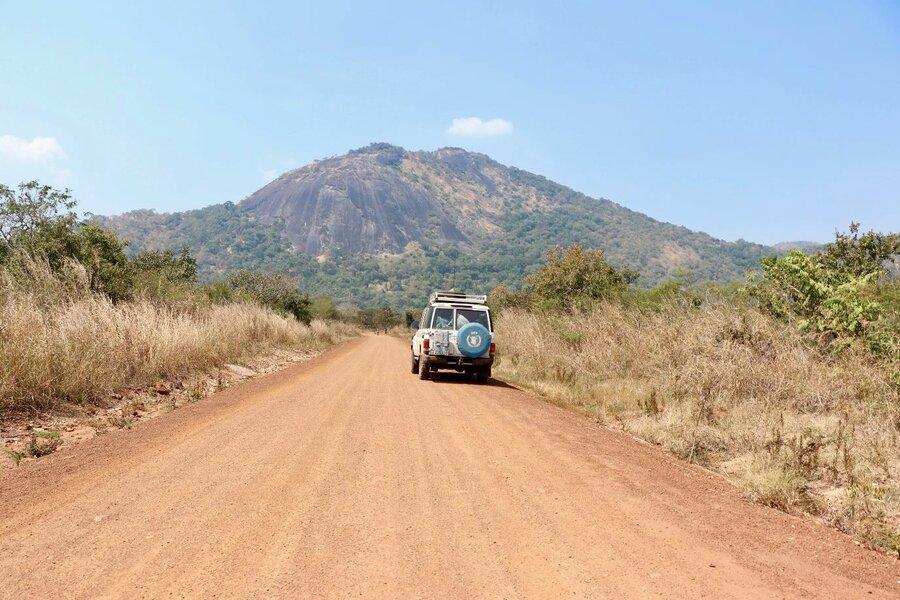
Economic strain: The neglect of this critical route has effects on the daily lives of South Sudanese. The current state of the road, often impassable for half of the year, results in exorbitant transport costs, leading to increased prices for essential goods such as food, fuel, and medicine.
Safety concerns: The absence of progress on the highway has exacerbated dangerous conditions for travelers, as issues such as unfinished bridges pose significant risks. There are concerning reports of incidents that endanger residents, including highway robberies and the tragic loss of children who have become stranded.
Erosion of public trust: A growing skepticism surrounds the government’s intentions regarding infrastructure projects. Concerns regarding potential mismanagement and a perceived lack of transparency in the procurement have led to a sense of unease among the populace.
To address the community’s concerns and restore confidence regarding the Juba-Nadapal highway, the government needs to move beyond general commitments.
Resolute actions. Recent reports and public statements reveal that this transformation is urgent:
1. Provide a transparent explanation for exclusion: Citizens, especially in Eastern Equatoria, seek clarity on the omission of the Juba–Nadapal corridor from the recent $2 billion gold-backed infrastructure project. The government needs to clarify the rationale behind priorities, illuminating why this vital route to Kenya has been overlooked.
2. Amend the infrastructure plan: There exists a powerful call for the Council of Ministers to revise the $2 billion plan to include the Juba–Nadapal highway before any contracts with firms like Shamrock Global Group move forward.
3. Establish clear timelines and funding guarantees: Citizens deserve more than empty “ceremonial” announcements. The Ministry of Roads and Bridges should outline when construction will recommence, reveal the contractor, and identify the source of funding.
4. Improve accountability and cost oversight: Alarm bells have been sounded by think-tanks regarding the high costs of ongoing road projects (averaging $2.3 million per kilometer). To rebuild trust, the government should show that these projects deliver value for money and adhere to ethical procurement practices.
5. Address territorial concerns: In border regions like Nadapal, the government should reassure citizens that road construction does not mean ceding South Sudanese territory to Kenya. Clear communication is essential to dispel fears of land grabbing, particularly within local communities like the Toposa, who have historically defended their land.
6. Coordinate with regional partners: The government should embrace regional agreements, such as the Juba Commitments and the LAPSSET Corridor program, to accelerate cross-border projects. Strengthening collaboration with Kenya is critical to harmonize construction efforts on both sides of the border, laying the groundwork for robust regional trade.
7. Ensure immediate maintenance: While waiting for major asphalt paving, the government should commit to maintaining dirt paths and key links like the Lolere Bridge, ensuring citizens are not stranded and stabilizing current commodity prices.
Source: Radio Tamazuj
For More News And Analysis About South-Sudan Follow Africa-Press