Africa-Press – South-Sudan. Civil society activist Patrick Godi has urged inclusive and collaborative efforts as South Sudan moves forward with the December 2026 general elections. His remarks follow the announcement by the political parties that there will be no further extension of the transitional period.
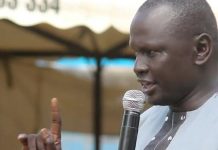
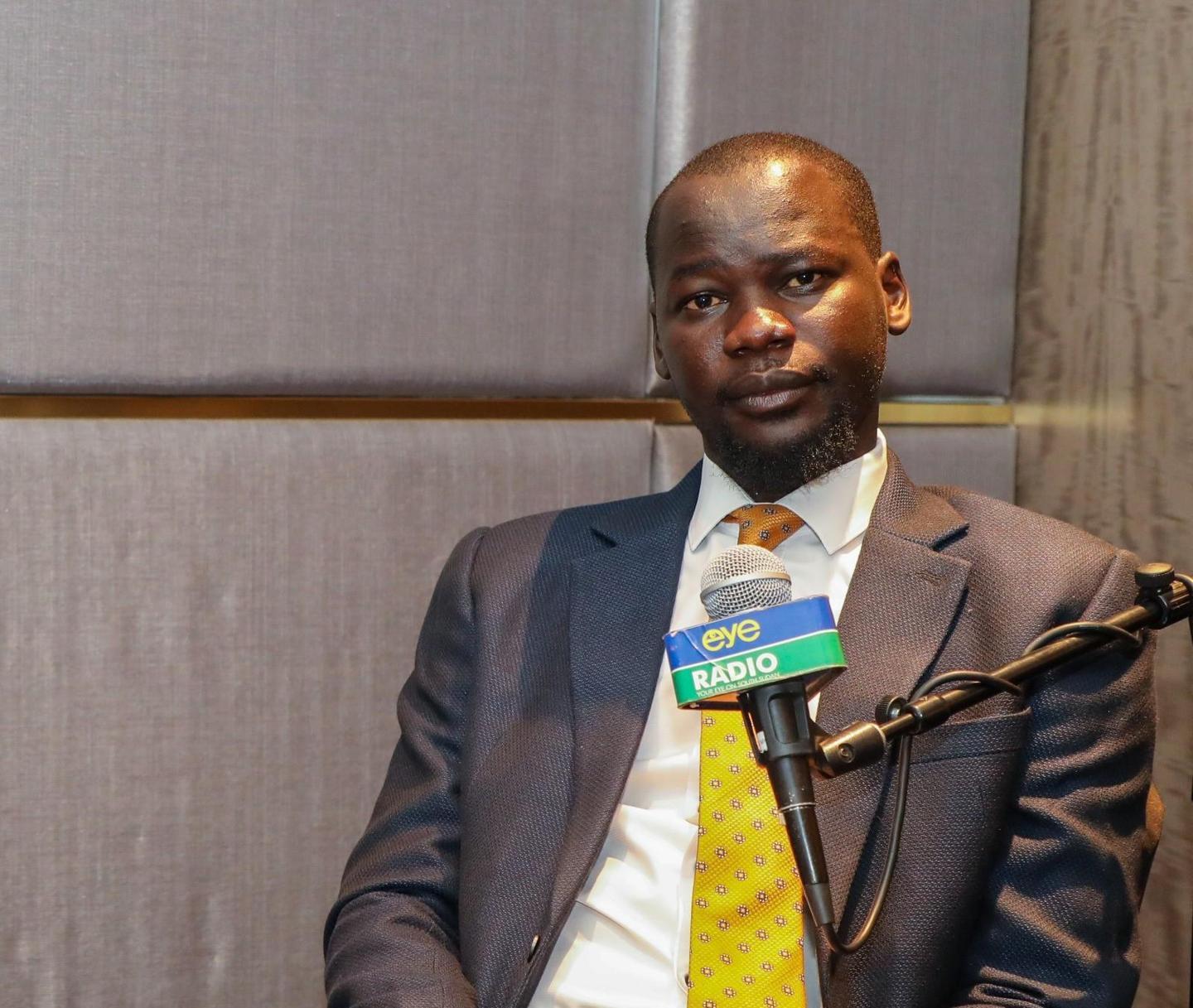
Speaking on Eye Radio’s Around South Sudan podcast on Friday, December 12, Godi emphasized the importance of involving all stakeholders in the electoral process.
He said that faith-based leaders, women, youth, and the business community -all signatories to the peace agreement, should play a larger role in the decision-making process moving forward.
“What I will say moving forward, given that these decisions have been made, I’ll really emphasize three Cs. I think the government and the parties within the agreement, and also this includes the stakeholders, by the way. The stakeholders are often not referred to when these decisions are being made,” he said.
The stakeholders, and I’m talking about the faith-based leaders, the women, the youth, the business community, they are equally signatories to this agreement. And I think it’s important to get them involved in an inclusive manner, to manage these delicate conversations as we try to make bold decisions.”
Godi stressed the importance of achieving consensus, fostering collegiality, and promoting collaboration among all parties involved in the peace agreement.
He recalled the historical mistrust among political leaders but suggested that focusing on these three principles could help move the country forward peacefully.
“So we need to see that there is consensus throughout this process until whatever decision is arrived at. We also need to see the collegiality among the parties in arriving on these decisions. And lastly, we really need to see collaboration. Most often we have talked about mistrust among the political leaders or the parties, which I think honestly is a very difficult issue to deal with, to say suddenly politicians who have had issues, historical issues, not even just emerging in the current context, dating back to the Espera days, to trust themselves.”
Despite acknowledging the long-standing mistrust among political leaders, Godi believes that by prioritizing consensus and collaboration, South Sudan can overcome its challenges and successfully conduct elections in December 2026.
“I think with the three Cs, it is possible that they could work together. They might not necessarily trust each other the way we want them to see, but if they are collaborating, they are working in collegiality and consensus, we can move forward and peacefully end the transition and deliver the election, he added.
For More News And Analysis About South-Sudan Follow Africa-Press