Africa-Press – South-Sudan. Chairperson of the National Bureau of Statistics (NBS), Dr. Augustino Ting Mayai, has commended the South Sudan presidency’s decision to proceed with the December 2026 general elections but warns census data gap could severely disrupt the electoral process if unaddressed.
On Friday, December 12, representatives of the parties to the peace agreement announced that there would be no further extension of the transitional period.
This announcement follows the decision by President Salva Kiir and other peace agreement signatories to postpone the population census and the permanent constitution-making process until after the 2026 general elections. Both provisions are key pre-election requirements under the peace agreement.
Minister of Presidential Affairs Africano Mande Gedima confirmed during a media briefing on Frida that the presidency had unanimously approved amendments to the peace agreement, allowing for the December 2026 elections to proceed.
He added that pending provisions of the peace agreement that cannot be completed before the elections will be paused until after the polls.
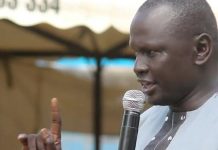
While Dr. Ting praised the political decision, he emphasized the urgent need to address the census data gap. He warned that without updated census data, determining constituency boundaries could become problematic, possibly leading to confusion or delays in the election process.
Dr. Ting acknowledged that while the decision to proceed with the elections was politically significant, there remains a critical issue that requires immediate attention. He emphasized that the lack of updated census data could have far-reaching consequences on the electoral process:
“I commend the political decision to move ahead with the elections in 2026—it shows political will, which is crucial for the country’s progress. However, there’s a critical issue that needs urgent attention. Without updated census data, we may encounter significant challenges,” he said.
“The lack of this data could impact the determination of constituencies, both at the state and national levels. This issue may require the parties involved to make further amendments to the current arrangements. So, while the decision to hold elections is commendable, it’s essential to address the data gap before moving forward.”
Dr. Ting also called on political parties to reach a consensus on how to address the data gap. He warned that failure to resolve this issue could undermine the credibility of the elections and potentially disrupt the entire process.
Dr. Ting pointed out that without the right population figures, the process of determining constituencies could be flawed, causing confusion and delaying the elections. He added:
“What does it mean when you’re electing leaders in 2026 but don’t have the right numbers to determine constituencies? Without a clear population figure, we risk confusion—especially when defining electoral boundaries. This could lead to serious problems, even halting the election process altogether. There’s a need for immediate clarity.
“Any deferrals should be done with careful investment to address the challenges ahead. The census is a key part of this, and without it, we risk undermining the whole process.”
For More News And Analysis About South-Sudan Follow Africa-Press