

Zirack Andrew
Africa-Press – Tanzania. THIS is arguably the onebillion-dollar question. It has been the subject of numerous dialogues, debates and conversations among scholars, politicians and other stakeholders in the agricultural sector.
There seems to be no single answer, and even the popular ones have not been proven to work in all contexts. Probably, even today’s discussion may not give a definitive answer.
However, opening our minds to think and speak about an issue, even for one minute is better than not thinking at all. So, let us go back to the town hall. I do not want us to venture into the academic arena where theories play a major role.
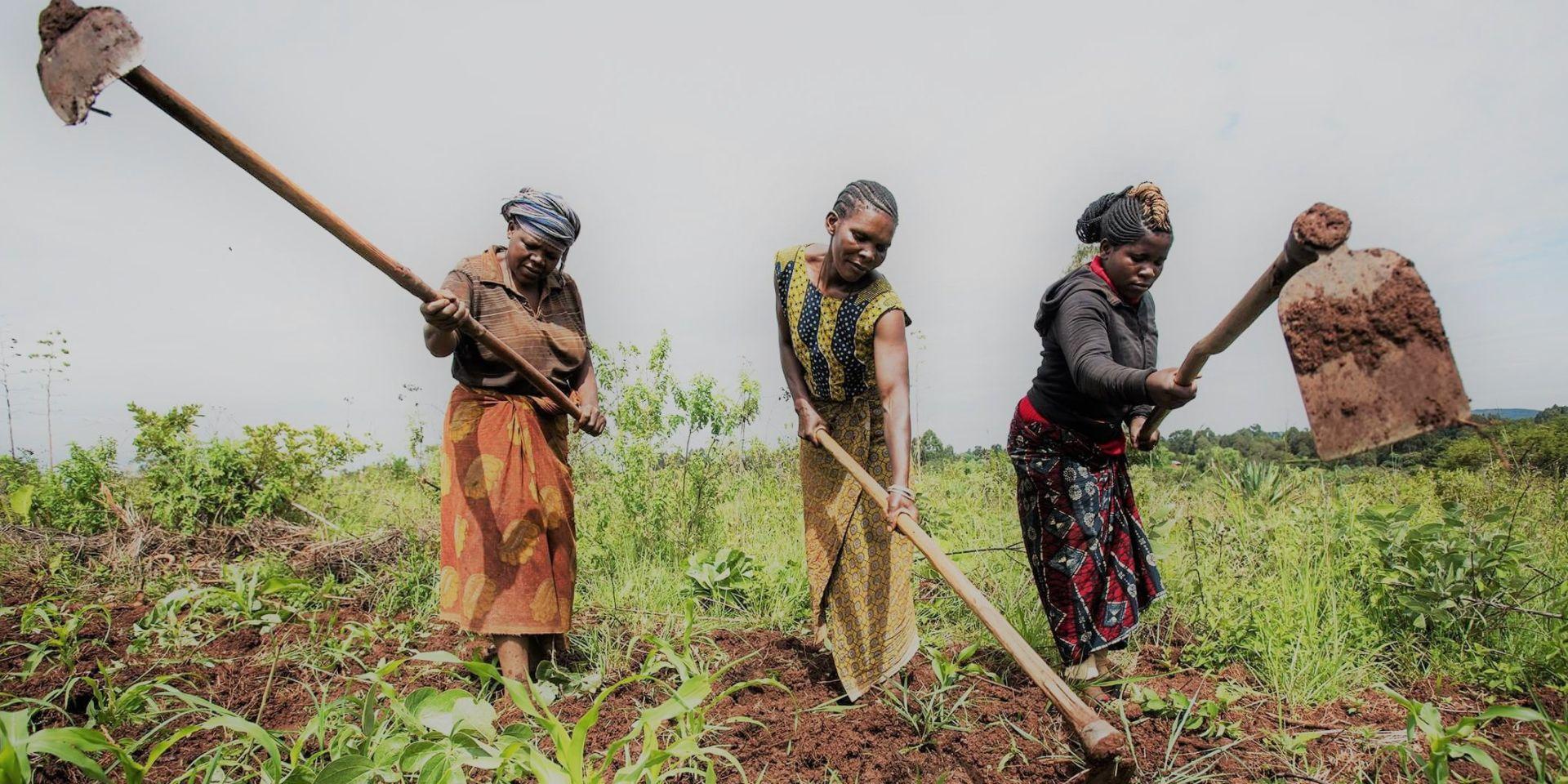
Our discussion will instead be based on observations drawn from selected occasions and events in the country. Different studies present varying results regarding the level of income earned by farmers on a monthly basis. On average, however, a Tanzanian farmer earns about 200,000 shillings per month, which is approximately 20 per cent below the national average.
Other studies indicate that this figure is about 60 per cent below the living income threshold. Since the majority of Tanzanian households earn their livelihoods from on-farm activities, the relevance of the agricultural sector becomes even more pronounced.
The following are some of the key issues that explain the unpleasant economic position of farmers. Low use of technology Many analysts, when pressed to explain farmers’ underperformance, quickly point to the size of land cultivated.
However, farmers in the Netherlands, despite having limited land, have turned their country into the second-largest exporter of agricultural products in the world. Dutch farmers use advanced technologies such as precision agriculture, greenhouses, improved seeds and fertilisers.
In contrast, Tanzanian farmers rarely have access even to basic technologies such as quality seeds and fertilisers. Technology ensures productivity, which leads to higher output and eventually translates into higher income. Inadequate infrastructure This factor carries more influence than many realise, particularly in relation to storage and market access. Many farmers lack proper storage facilities after harvest.
As a result, they store produce in their homes, which are often too small and lack the required quality standards. Consequently, farmers opt to sell their crops to middlemen who, in most cases, dictate prices. In some instances, middlemen purchase crops directly from the farm before harvest.
Blaming middlemen would be unfair, given that they fill a critical gap created by the absence of proper market infrastructure. With organised markets, farmers would not only be assured of a place to sell their produce collectively, but it would also make procurement easier for large buyers.
Beyond technology and infrastructure, the problem of low farmer income is also deeply rooted in weak institutional support and limited access to finance. Many farmers operate informally and individually, which weakens their bargaining power and limits their ability to benefit from credit, insurance and extension services.
Without affordable financing, farmers cannot invest in inputs, mechanisation, or post-harvest handling, leaving them trapped in low-productivity cycles season after season.
Addressing the poverty of Tanzanian farmers therefore requires more than isolated interventions. It demands a coordinated approach that links technology, infrastructure, markets, finance and policy implementation. Unless farmers are deliberately positioned as economic actors rather than subsistence producers, efforts to eradicate income inequality will continue to fall short. Improving farmer incomes is not only a matter of social justice but also a prerequisite for sustainable national economic growth.
Source: Daily News – Tanzania Standard Newspapers