
What You Need to Know
Following unrest during Tanzania’s October 2025 elections, international envoys are visiting to support democratic processes and reforms. Their presence underscores the importance of dialogue and institutional legitimacy in addressing the crisis, while also connecting domestic efforts to global governance standards.
Africa-Press – Tanzania. THE succession of high-level international envoys visiting Tanzania in the wake of the October 29, 2025 electionrelated unrest is far more than a routine display of diplomatic engagement.
The visits represent a calculated interplay between international monitoring and assurance, alongside strategic partnership during a time when the country finds itself in focus due to its democratic process.
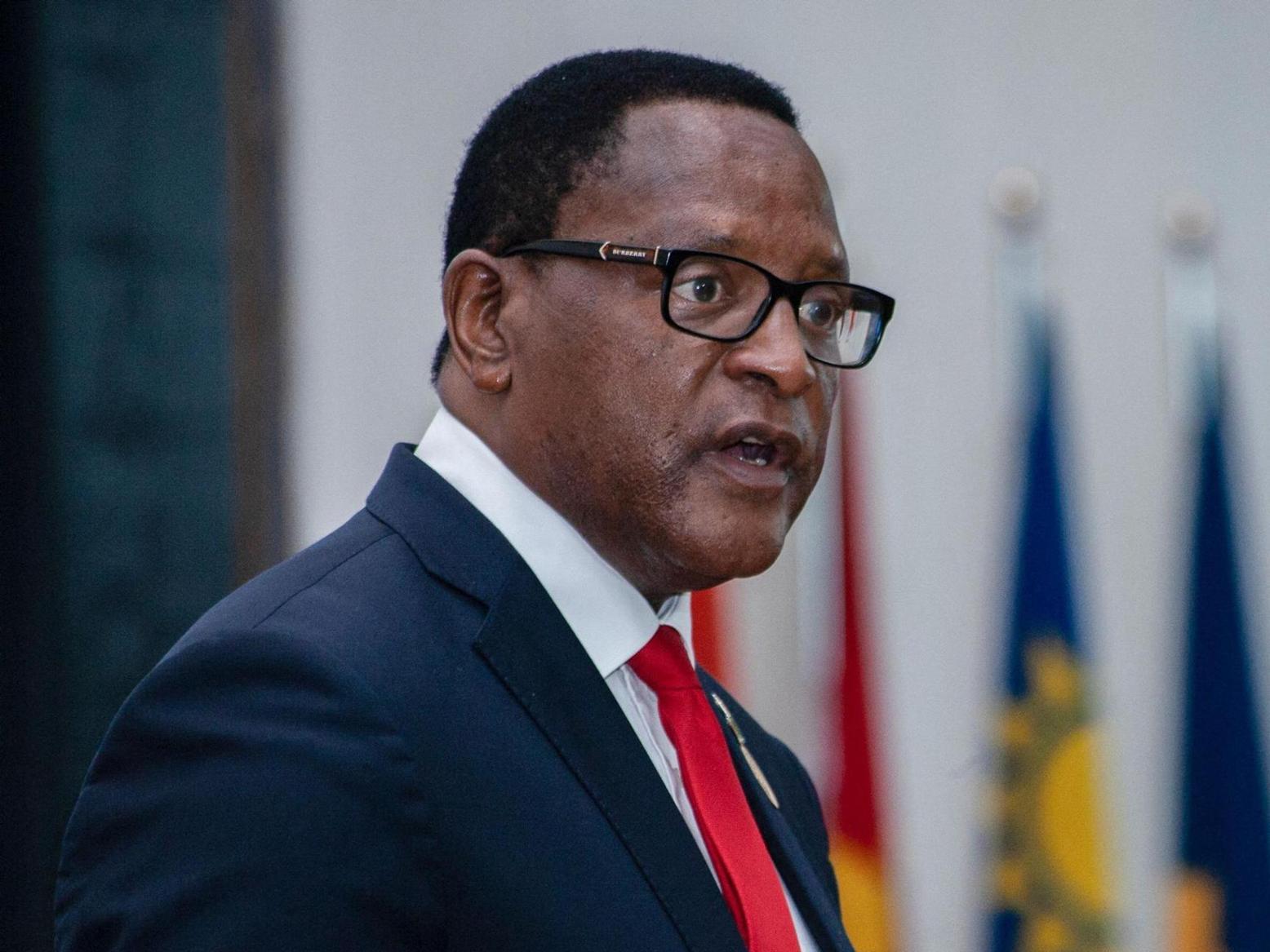
The involvement of diplomats like Special Envoy of the Commonwealth SecretaryGeneral and former President of Malawi, Dr Lazarus Chakwera as well as the Special Representative of the United Nations Secretary-General (SRSG) to the African Union and Head of the United Nations Office to the African Union (UNOAU), Parfait Onanga-Anyanga shows not only the seriousness of the situation but also the level of faith that the nation has placed in its chosen course of action for overcoming the situation.
Both international actors have reaffirmed full support to Tanzania’s efforts to fostering a lasting solution through dialogue and institutional reforms. As far as the support from Dr Chakwera in the name of the Commonwealth is concerned, it holds significance both politically and institutionally among member nations.
Given the fact that Commonwealth supports democratic practices and law-based systems, its backing in regard to Tanzania’s handling of the case is indicative of the fact that Tanzania is following Commonwealth guidelines.
It would ensure the smooth functioning of its diplomacy without any hurdles. The engagement of UN envoys such Mr OnangaAnyanga reflects a broader global interest in Tanzania’s stability.
Their support matters because it connects domestic processes to international peace, governance and human rights frameworks. By consulting widely and endorsing ongoing reforms, UN envoys help legitimise Tanzania’s approach while also quietly setting expectations for inclusivity, accountability, and follow-through.
Gina Romero’s recent statement, issued in her capacity as the UN Special Rapporteur, carries significant technical weight in the field of human rights.
Her positive assessment of the Commission of Inquiry indicates that Tanzania is making efforts to comply with established human rights principles.
This becomes especially pertinent when considering the criticism directed at her country externally, in the context of special rapporteurs being considered independent within the UNs structure.
The commission was also earlier praised by the United Nations High Commissioner for Human Rights, Volker Türk, during the opening of the 61st Session of the United Nations Human Rights Council (UNHRC) in Geneva earlier last month.
A critical issue at play here is the way a nation deals with any dispute within its democratic process and manages to remain legitimate, restore its citizens’ faith in it as well as satisfy the expectations of other stakeholders. The country’s approach to this problem has been through an institutional process in the form of appointing the Commission of Inquiry led by Mohamed Othman Chande.
These visits by the representatives of the international community, however, cannot be seen as taking place out of context because they have direct bearing upon the legitimacy of the institutional response made to the election crisis in Tanzania.
Probably one of the first things that can be said about the importance of such visits lies in the fact that they add international legitimacy to the processes that are unfolding within the country in response to the election crisis.
By participating in these visits and recognising their importance, the representatives of the Commonwealth and the UN recognise the idea that the process undertaken by Tanzania is grounded in the rule of law rather than politics.
This validation is particularly significant given the parallel emergence of critical reports from organisations such as Amnesty International and Human Rights Watch, which have alleged excessive use of force during the election period.
The government has strongly rejected these claims, accusing the organisations of bias and incomplete reporting. In this contested informational environment, the presence of envoys offers a form of reputational balance.
Their generally supportive tone does not dismiss concerns outright but signals that Tanzania’s efforts especially the commission are credible enough to merit engagement rather than condemnation. Equally important is the role these envoys play as intermediaries between domestic political actors and the broader international community.
Their itineraries reveal a deliberate strategy of inclusive consultation, meetings with government officials, opposition leaders, electoral bodies and civil society organisations.
Engagement on this broad level fulfils two important purposes. First, it permits the ambassadors to acquire an overall picture of the political climate and any disputes that exist. But also, it makes a statement to the Tanzanian leadership that inclusive dialogue is key to democratic recovery.
The engagement presents both an opportunity and a test for President Samia Suluhu Hassan and her administration. It is an opportunity to demonstrate transparency, openness, and commitment to reform. By welcoming envoys and facilitating their consultations, the government positions itself as cooperative and confident in its processes.
However, it is also a test because such openness invites scrutiny. The information gathered during these engagements will inform international perceptions and could influence future diplomatic, economic, and developmental relationships.
The pressure that these visits generate is another important aspect of the missions. As opposed to sanctions, public criticisms, or investigations, the work of envoys involves what can be termed “soft accountability.”
The discourse used by envoys usually consists of supportive, diplomatic statements that revolve around collaboration and common aspirations such as stability, lawfulness, and unity.
However, there is also an underlying set of demands in their discourse. When an envoy praises the efforts of Tanzania to establish the Commission of Inquiry, they expects the commission to be independent and to act accordingly.
This creates a dynamic in which the Tanzanian government is encouraged to follow through on its commitments.
The international support expressed during these visits is not unconditional, it is contingent on progress. Should the commission’s work be perceived as flawed or its recommendations ignored, the supportive tone could shift toward criticism. In this way, envoy visits function as both endorsement and oversight, reinforcing accountability without resorting to confrontational measures.
The expressed concerns of these international bodies also provide Tanzania with an opportunity to articulate and defend its own account of the events surrounding the October 2025 elections.
The government has emphasised the complexity of the situation, pointing to factors such as incitement, the spread of inflammatory content on social media and the challenges of maintaining public order.
By engaging directly with envoys, Tanzanian officials can present these perspectives in detail, countering what they view as one-sided accounts from external organisations. However, the creation of this narrative is not simply one of defence, it is also a strategy.
Given the interdependence of the international community and the potential for politics to affect investments and other aspects of relationships, the perceptions of other countries are important. Through this strategy, Tanzania has managed to ensure that its point of view gets due consideration in international organisations such as the Commonwealth and the United Nations.
Beyond validation and narrative, the engagement have another vital function in conflict prevention and stabilisation. Post-election periods are inherently volatile, with the potential for tensions to either dissipate or escalate.
Early and sustained engagement by international actors can help steer this trajectory toward peaceful resolution. By emphasising dialogue, reconciliation, and institutional reform, envoys are reinforcing a pathway that prioritises long-term stability over short-term political gains.
Timing of these engagements is very important as well, since they take place when the Commission of Inquiry is still active. In this way, diplomats can influence the process right now and push towards following internationally established standards and norms of best practice.
Such diplomatic missions also convey the message to Tanzanian citizens that their case has high priority in foreign affairs and that their situation is considered seriously by representatives from other countries.
The involvement of the United Nations ambassador into the case by giving a support to the “Repair, Rebuild and Renew” strategy of the government is also a very important step, which makes the whole situation very prospective in many ways.
Indeed, the main goal now is not to investigate what happened but to make some good conclusions from these investigations and to work out a more successful political strategy for the future.
There is also a regional and global dimension to consider, Tanzania has long been regarded as a relatively stable country in East Africa and its handling of electoral tensions carries implications beyond its borders. The involvement of major international organisations reflects a broader interest in ensuring that this stability is maintained.
A successful resolution, characterised by credible investigations, inclusive dialogue and meaningful reforms, would reinforce a model of governance that other countries in the region might emulate. Conversely, failure to address the underlying issues could have ripple effects, potentially undermining confidence in institutional approaches to political crises. This is why the stakes are high not only for Tanzania but also for the international community.
The envoy visits, therefore are part of a larger effort to safeguard democratic norms and prevent the erosion of governance standards. The symbolic significance of these involvements is another important element often overlooked in such diplomatic missions. Diplomacy involves not only negotiations and agreements but also sending signals and messages.
The decision taken by the Commonwealth and the UN to send delegations is a signal that Tanzania counts. It counts as a partner, as a member of the international community, and as an example of how to handle political issues.
Symbolically, these visits can also be interpreted domestically. For regular people in Tanzania, the fact that international delegates are sent is a sign that someone hears their problems and concerns. Moreover, citizens may expect greater openness from the government in the face of international observers who can evaluate its work objectively and critically.
Nevertheless, these visits reaffirm the basic tenets of sovereignty and non-interference in internal affairs. In this case, both the Commonwealth and the UN made sure not to overstep certain boundaries. Instead, they chose partnership, mutual cooperation, and local ownership of the process. These international engagements have been essential for their implications in terms of shaping both perceptions and reality within the country. The way that the country handles these envoys, together with the international organisations that back them, will affect how the country will ultimately be perceived internationally as well as the internal direction that the country will adopt in dealing with this political crisis. They have also proven to demonstrate the country’s dedication to upholding democracy and the rule of law as well as national unity
Tanzania has historically been viewed as a stable nation in East Africa, but recent electoral tensions have raised concerns about its democratic processes. The involvement of international envoys reflects a broader interest in maintaining stability in the region, as their support can influence both domestic reforms and international perceptions of Tanzania’s governance.
The country’s approach to handling electoral disputes is critical, as it seeks to restore citizen trust and meet international expectations. The establishment of the Commission of Inquiry and engagement with global actors are steps aimed at ensuring transparency and accountability, which are essential for long-term stability