

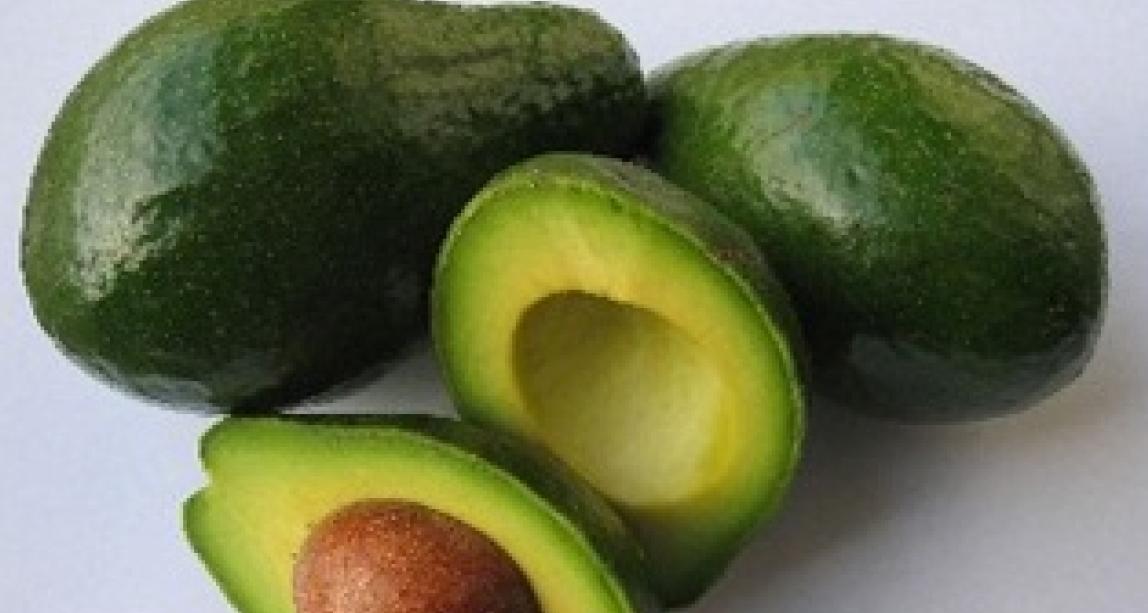
Africa-Press – Tanzania. WITH billions of people around the world suddenly developing insatiable craving for the buttery avocado fruits, the Swedish International Development Cooperation Agency, has moved in to assist Tanzanian growers to meet the ever increasing global demand.
As the result, growers in Arumeru District of Arusha will soon replace their coffee farms with avocado trees.
The Swedish International Development Cooperation Agency (SIDA) is working with the apex institution for the country’s private sector (TAHA), kicking off the initiative on Wednesday by launching avocado cluster in Arumeru District.
“As coffee prices drop globally, avocados are becoming the next green gold commanding high prices coupled with increasing demand,” said the TAHA Executive Director, Jacqueline Mkindi.
Dr Mkindi was speaking during the avocado cluster launching event held at Ngyani Cooperative Union about six kilometers from the Leganga Road Junction of Usa- River, in Meru District.
In attendance were Ward Representatives, local growers, government officials, producers, TAHA management and staff.
TAHA will be facilitating smallholder farmers in Meru DC to establish an avocado cluster, specifically for Hass variety for the export market.
Ward representatives admitted that local farmers had started to uproot coffee trees after the crop proved to be no longer beneficial commercially but were yet to find replacement.
“We are relieved that avocados have come to rescue,” they stated.
These are growers operating at altitudes ranging from 1,200m – 1,500m above sea level, described to be ideal conditions for excellent avocado production.
TAHA will make these farmers realize the potential of their land through practical training using TAHA proven technologies on the production and marketing of Hass avocado. Global avocado market is currently being valued at US $ 9.14 Billion.
The United States, Canada, Japan, Spain, and the Netherlands are currently the major importers of Hass avocados. America and Canada command a major share of 77.6 percent and 8.2 percent of the import from the market.
With the increasing domestic as well as international demand, the exports are forecasted to rise even higher.
The global Hass avocado market is the most popular variety of avocado in the world, projected to register a Compound Annual Growth Rate (CAGR) of 4.8 percent during the forecast period 2020- 2025.
Rising number of buyers for healthy food products either for clinical reasons or for practicing a healthy lifestyle are impelling market growth of avocado.
The idea of the avocado cluster establishment in the Northern Zone, according to Dr Mkindi, is to produce enough volume for the export market because the avocado market is still not saturated.
Since it is difficult for a smallholder farmer to meet market requirements when operating individually, cluster formation is the way forward expected to solve market issues in the avocado value chain.
This intervention will lead to effective utilisation of logistics available in the Northern Highlands.
Kilimanjaro, Julius Nyerere and Jomo Kenyatta International Airports, as well as Dar es Salaam and Mombasa ports in Tanzania and Kenya, respectively stand to play important logistics roles in handling avocado exports from Arusha, Kilimanjaro and surrounding environs.
The other specific objectives are to ease Global Good Agricultural Practice (GAP) and other certification processes, ease agronomic services and create collective bargaining by farmers.
Since its inception, TAHA has been implementing similar interventions in other parts of the country by mobilizing farmers into formal entities and build their institutional capacity as well as streamlining outreach services from national to grass-root level while scaling up the adoption of production technologies.
The TAHA initiatives focus on innovating, packaging and delivering quality technical support services that change the livelihood of beneficiaries, their families and surrounding communities.
The initiative will improve farmers’ production and productivity levels for expanded income and food and nutrition security. In line with that, TAHA has been advising farmers and members on proper compliance to market standards, establishing post-harvest infrastructure, and providing industry logistics services through its leading logistics company, TAHAFRESH Handling.