

What You Need to Know
The Digital Tanzania Project aims to ensure that over 80% of government services are accessible through inclusive digital platforms by 2050. The initiative focuses on educating children about technology use while enhancing services for special groups, including persons with disabilities, to foster a more inclusive digital economy.
Africa-Press – Tanzania. As the National Development Vision 2050 targets having over 80 per cent of government services accessed through secure, inclusive and user-friendly digital platforms within the next 25 years, the state, through the Digital Tanzania Project (DTP), is striving to ensure that no one, including special groups, is left behind in this transformation.
To ensure all groups are wholly included, assistant Director for Social Inclusion from the President’s Office – Public Service Management and Good Governance, Ms Mwanaamani Mtoro, told reporters in Dodoma that the government plans to extend digital services to children in order to build their capacity for proper use of technology from an early age.
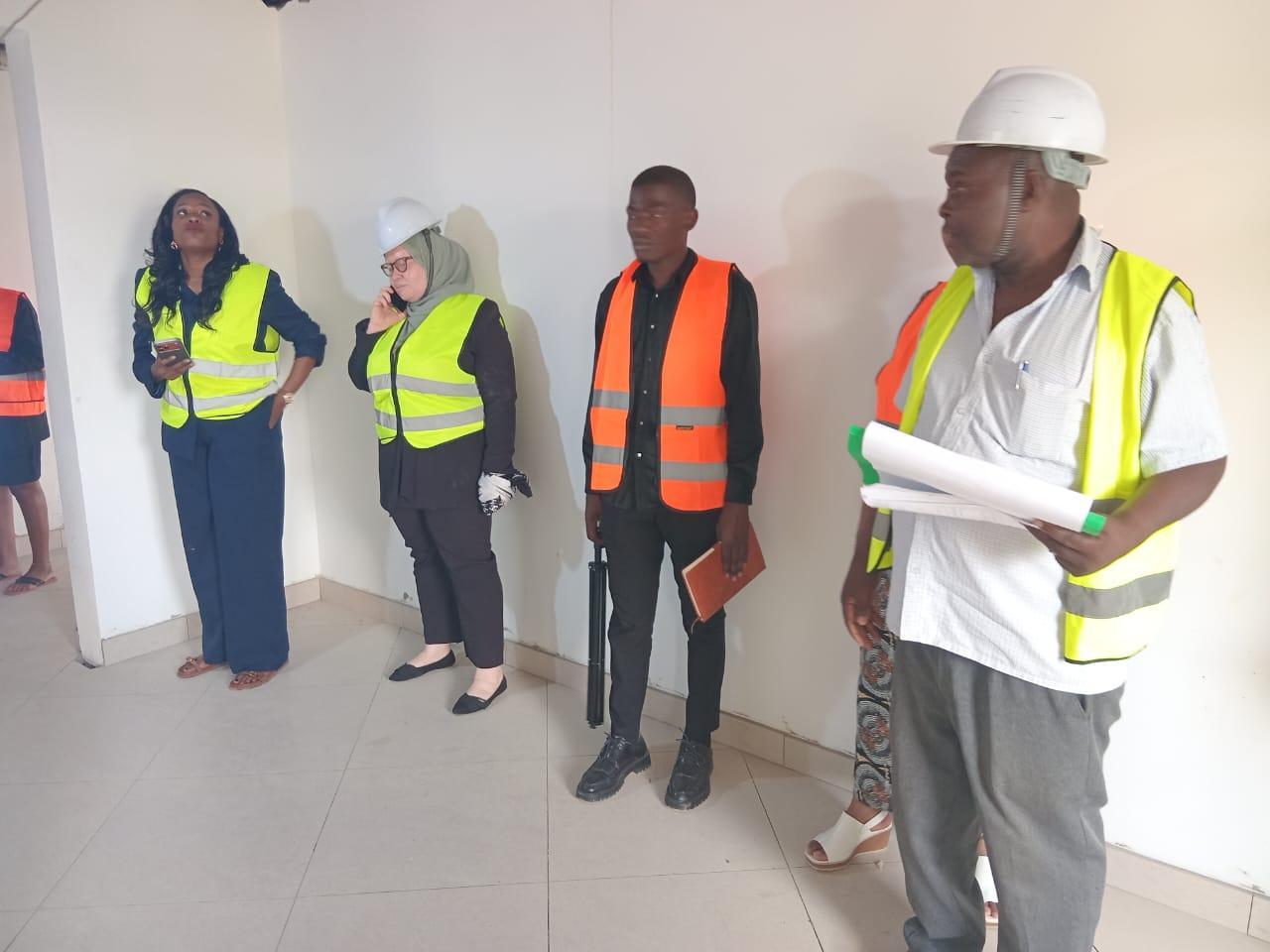
The Assistant Director accompanied by project consultants, made the statement after inspecting the transformation that have been made at two Dodoma Regional Post Office and Dodoma University’s ICT incubation centre prior to the implementation of the innovation.
Elaborating on why the government plans to extend the service to children, Mwanaamani noted that the initiative aims to protect children from misuse of technology while equipping them with knowledge and skills that will enable them to benefit from digital opportunities for their personal development and that of the nation at large.
“We have witnessed some renovation. We have suggested some renovations. Gaps will be identified when the service is fully flagged and we will work on gaps which will be identified in future,” she noted.
He said the services will be provided through integrated service centres under the Tanzania Posts Corporation as well as through educational institutions, by creating an enabling environment that includes technological equipment and skilled professionals.
“The government plans to reach children by providing education on proper use of technology from a young age, a step that will protect them from the negative effects of technology misuse and lay a strong foundation for our nation’s development,” said Mwanaamani.
On the other hand, Dodoma Regional Post Office manager, Mr Dodoma Regional Post Manager Dongwe James Dongwe said the use of sign language professionals will enhance efficiency and safety in service delivery.
Speaking in Dodoma, Dongwe said that the corporation currently relies on written communication as an alternative, a method that is not secure for customers and at times deprives them of the freedom to share personal information, potentially hindering access to certain services.
“We once had a customer with a hearing impairment and were forced to communicate through writing in order to provide the required service. This method has many limitations, which is why we plan to strengthen the use of sign language to serve these customers more effectively,” said Dongwe.
He added that before the programme is officially rolled out, the corporation will provide training to its staff on best practices for serving people from special groups, including persons with disabilities, children, the elderly and women.
Meanwhile, the Technical Advisor for the Digital Tanzania Project on Social Inclusion and Integration of Special Groups in Tanzania’s Digital Transformation, Ms Caroline Ndosi, said that after visiting the Integrated Service Centre in Dodoma at the Post Office that were satisfied that the standards and criteria applied at the centre adequately address the needs of special groups and diverse communities requiring inclusion in the implementation of the Digital Tanzania Project.
Ndosi added that the government continues to urge the public to recognise and benefit from such projects, while taking deliberate measures under the Sixth Phase Government to ensure the country achieves the anticipated digital transformation.
She said the overarching goal is to build a strong and inclusive digital economy that reaches citizens from various groups, including youth, women, persons with disabilities, the elderly and those living in vulnerable environments.
The Digital Tanzania Project (DTP) is a project being implemented by the Ministry of Communication and Information Technology in collaboration with the President’s Office, Public Service Management and Good Governance (PO-PSMGG).
It also involves other stakeholders including the Ministry of Finance and Planning (MoFP); the President’s Office Regional Administration and Local Governments (PO-RALG); e-Government Authority (e-GA); Information and Communication Technology Commission (ICTC); Tanzania Posts Cooperation (TPC); Universal Communications Service Access Fund (UCSAF); and the World Bank (WB).
The objective of the Project is to increase access to high quality internet services for government and citizens and to improve the government’s capacity to deliver digital public services. In this regard, the Project is geared towards accelerating the digital economy in Tanzania.
Tanzania’s commitment to digital inclusivity is part of its broader National Development Vision 2050, which emphasizes the importance of technology in governance and public service delivery. The Digital Tanzania Project is a key initiative aimed at transforming how citizens access government services, ensuring that no group is left behind in this digital evolution.
Historically, Tanzania has faced challenges in providing equitable access to technology, particularly for marginalized communities. The government’s recent efforts to integrate digital services into everyday life reflect a growing recognition of the need for inclusivity in the digital age, aiming to empower all citizens through a