
What You Need to Know
The Tanzanian government is seeking approximately 120 billion to rehabilitate roads damaged by ongoing rains. This request follows concerns from Members of Parliament regarding the deteriorating state of transport infrastructure. The Deputy Minister for Regional Administration stated that an assessment has been conducted to determine the extent of the damage and that funding procedures are in the
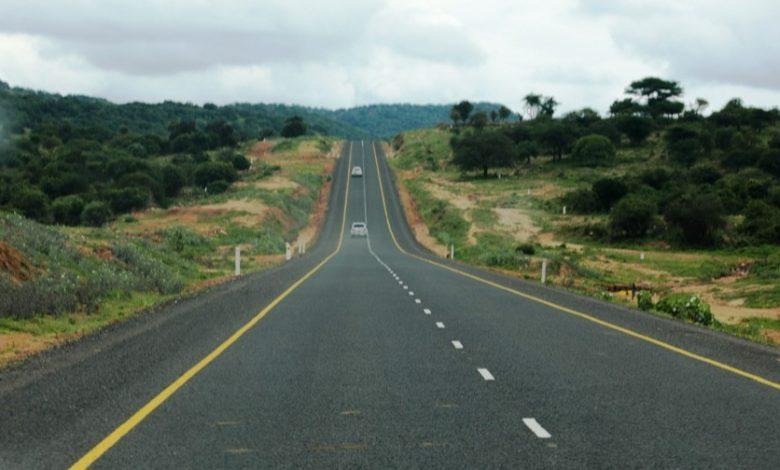
Africa-Press – Tanzania. THE government is seeking about 120bn/- to rehabilitate roads damaged by ongoing rains across the country, following concerns raised by Members of Parliament over the deteriorating state of transport infrastructure.
Deputy Minister in the Prime Minister’s Office for Regional Administration and Local Government (PMORALG), Dr Festo Dugange, said an assessment has already been conducted to determine the extent of the damage.
“We have carried out an evaluation of emergency funding needs for roads damaged by rains, and the requirement stands at approximately 120bn/-, the government is currently undertaking procedures to secure these funds,” he said this while responding to a supplementary question in the National Assembly yesterday.
Dr Dugange said this in response to supplementary question by Chamazi MP (CCM), Mr Abdallah Chaurembo who sought to know when the government will release funds for the construction of the Kiswani-Fufana Road, located in Nzasa A street, Kilungule Ward.
In response, he said that they are aware that in the constituency within the Temeke Municipality, as is the case across the country, there is a need to build roads.
He said that the government has several plans in place, including the regular budget for the 2025/2026 financial year.
In another supplementary question Tanganyika MP (CCM), Mr Selemani Kakoso, sought to know when the government would rehabilitate roads damaged by rains in his constituency.
“It is true that in Tanganyika, as in many constituencies across the country, a significant number of Tanzania Rural and Urban Road Agency (TARURA) roads have been damaged by rains,” Dr Dugange said.
“However, at the moment, ongoing rains make it difficult to carry out durable repairs.”
He added: “We are waiting for weather conditions to stabilise, and once that happens, the rehabilitation process will proceed alongside funding arrangements.”
In his basic question, Ulyankulu MP, Japhael Lufungija, wanted to know when will the government increase the TARURA budget in Kaliua District to enable the opening of roads in 22 new villages in his constituency.
In response, Dr Dugange said TARURA in Kaliua manages a road network of 1,370.41 kilometres.
Debating the 12.5tri/- Prime Minister’s Office budget estimates for the 2026/27 financial year in the National Assembly in Dodoma, the MPs called on the government to release emergency funds to rehabilitate roads and bridges damaged in various parts of the country during the ongoing rainy season.
The lawmakers urged the government to act swiftly to ensure that social services are restored immediately.
Morogoro South lawmaker Zuberi Mfaume (CCM) said his constituency is among the areas in Morogoro Region that have experienced heavy rains for three consecutive weeks, severely affecting infrastructure.
According to him, Morogoro South is endowed with numerous rivers, and during floods, various activities come to a standstill for at least two months, disrupting services such as health and education.
The MP noted that movement from one place to another has become difficult, forcing temporary closure of schools, while mothers are unable to access health centres due to flooded rivers.
“It has become difficult for mothers to go to health centres… primary and secondary school students have been given special leave of not less than two months. This explains the poor academic performance, as they stay at home for a long time,” he said, urging the Prime Minister’s Office disaster department to take the matter seriously to rescue residents of Morogoro South Constituency.
Mfaume added that some residents attempting to cross rivers by swimming risk attacks from crocodiles, calling on the PMO to ensure the construction of bridges and provision of ferries to enable access to basic services
Tanzania has faced significant challenges regarding its transport infrastructure, particularly during the rainy season when heavy rains often lead to road damage and flooding. The government has historically allocated funds for road repairs, but the need for urgent maintenance has become more pressing due to the increasing frequency and severity of weather-related disruptions. This situation has prompted lawmakers to advocate for immediate action to restore access to essential services and improve the overall condition of the country’s roads.