
Africa-Press – Tanzania. THE Tanzanian government, in collaboration with South Korea, has noted a remarkable progress in the implementation of the project to improve the National Public Health Laboratory in combating infectious diseases for the third year, where this year they will look at how to deal with cholera throughout the country.
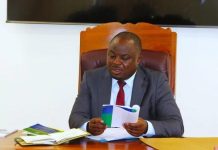
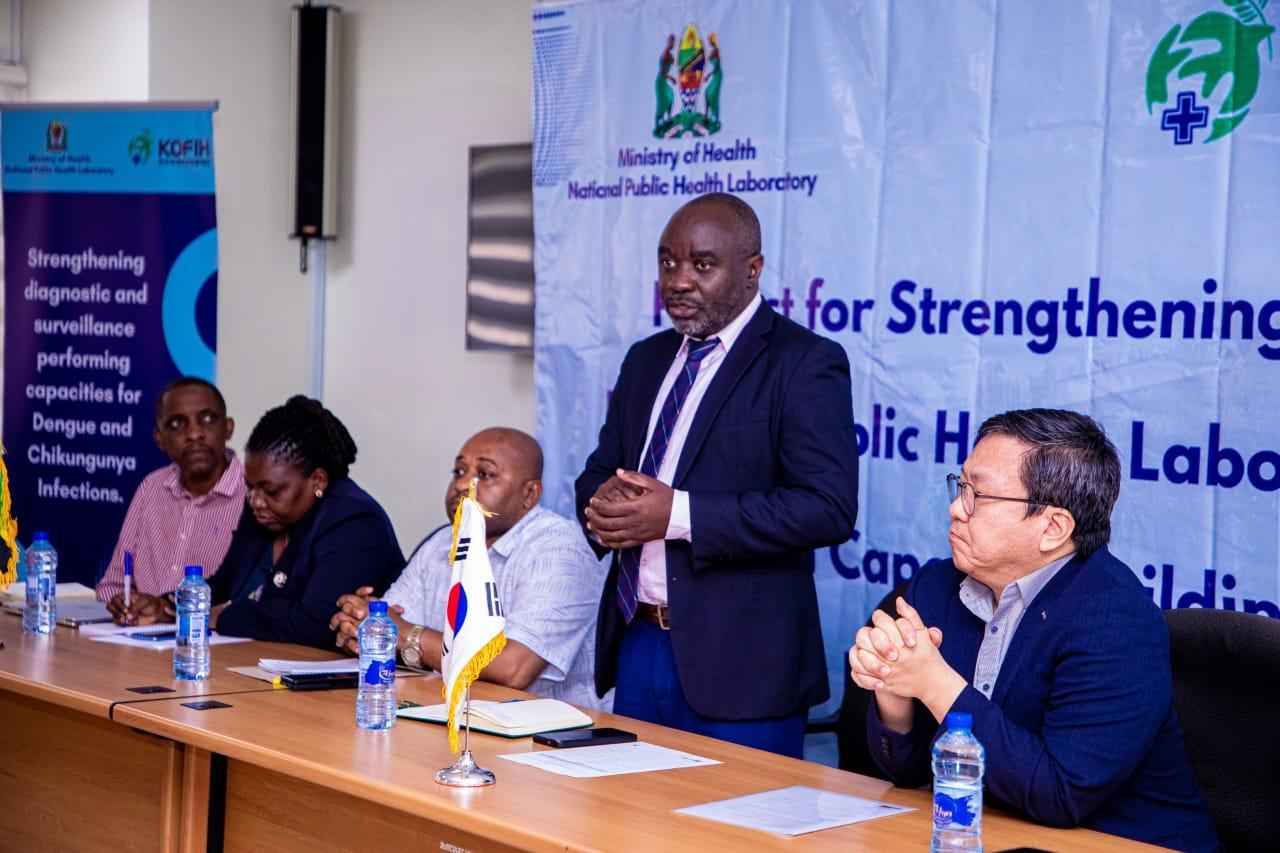
Speaking during the launch of the third year of the project, the Director of the National Public Health Laboratory (NPHL), Ambele Mwafilango, said that the project, sponsored by the Korea International Health Organisation (KOFIH), is a five-year initiative being implemented in phases.
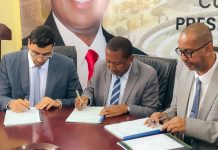
“We continue to implement it according to the agreement due to the support we received every year, we have an implementation budget, so far the agreement is being implemented, for the first year you have spent more than 460m/- and the second year 674m/- and now when we are going to start, 694m/- are going to be used,” he stressed.
He said KOFIH has already invested money and is continuing to implement it, so they thanked them for trusting them to implement the project and promised to implement it professionally in order to continue to receive the funds.
“We started the project with the Dar es Salaam region for Dengue and Chikungunya diseases, and we looked at respiratory diseases such as cough and flu. This year, we will go all over the country, and we will be looking at cholera as it has been a challenge to spread in the country. We are grateful for the infrastructure that has been put in place,” he explained.
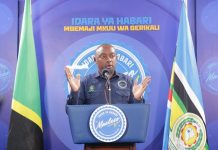
Opening the project for the third year on behalf of the Chief Medical Officer of the Government, Dr Grace Maghembe, the Chief Medical Officer of Dar es Salaam Region, Dr Mohamed Mang’una, said they are grateful to the South Korean government through his organization KOFIH for enabling them to obtain funds to implement the project and promising to manage the funds well.
“And we will ensure that the country becomes safe by encouraging the rapid diagnosis of diseases. If you realize that it is easy to fight it now in the country, the situation is not bad. We have made progress.
Acting Director of Preventive Services, Ministry of Health Dr Otilia Gowele, said they commend the national laboratory for putting in place plans that respond to the country’s needs in diseases, especially epidemic diseases.
She said the preventive department’s responsibility is to ensure that citizens receive education on how to protect themselves from all infectious and non-infectious diseases through public health education coordinators.
“They provide education through various messages to check the areas they live in to be free from infectious pathogens and changes in behaviour to prevent diseases. When a person who is found to be sick arrives at a health centre, we ensure that immediate action is taken.
She said the laboratory has become better and has testing equipment, so the country will be safe, and sample testing will be done within the country and not outside the country.
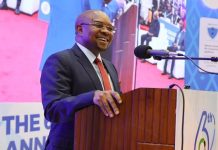
For his part, KOFIH Health Specialist Hansol Park has emphasized putting in place solid plans to continue maintaining quality and accountability in the implementation of the project, planning for four years to facilitate implementation.
“Let me say that the goal of the project is to create a strong infrastructure for infectious diseases so that immediate action can be taken when they occur by health workers and the past two years have been successful,” Park explains.