

What You Need to Know
The Tanzania Civil Aviation Authority (TCAA) expects to generate over 10bn/- annually from its new Civil Aviation Training College (CATC), set to be completed by July 2028. The college aims to attract international students, significantly increasing its capacity from 2,000 to between 7,000 and 10,000 students, enhancing Tanzania’s aviation training hub status.
Africa-Press – Tanzania. THE Tanzania Civil Aviation Authority (TCAA) expects to generate over 10bn/- in annual revenue from international students enrolling at the new stateof-the-art Civil Aviation Training College (CATC), scheduled for completion in July 2028.
The modern training facility is expected to significantly expand the Civil Aviation Training College’s (CATC) capacity and attract more students from across Africa and beyond, further strengthening Tanzania’s position as a regional hub for aviation training.
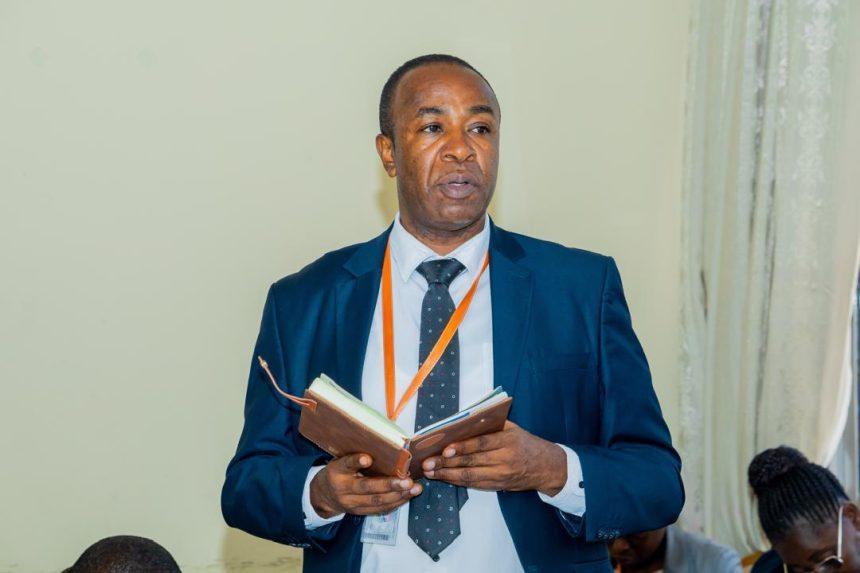
TCAA Director General, Mr Salim Msangi said yesterday during a visit by the Parliamentary Standing Committee on Infrastructure, which inspected the project site.
He noted that the projected revenue increase is largely driven by the growing number of international applicants seeking admission to the college.
“Many of those applying for admission are from outside the country, but our current college has limited capacity. With the completion of this new and modern facility, the number of international students will rise significantly, and we expect substantial foreign exchange earnings,” Mr Msangi added.
The project, valued at approximately 78bn/-, is expected to transform aviation training in Tanzania by increasing the number of students the institution can accommodate.
Currently, CATC generates about 2bn/- annually while hosting around 2,000 students. Upon completion, the college is expected to accommodate between 7,000 and 10,000 students.
During the visit, the committee expressed satisfaction with the project’s progress but issued directives to the government, through TCAA, to ensure construction continues smoothly and is completed within the planned three-year timeframe.
Committee Chairman, Mr Selemani Kakoso, said the visit aimed to assess government efforts in implementing the project as part of broader initiatives to boost investment in the aviation sector.
“Despite encouraging progress so far, certain areas require closer attention to ensure the project is completed on schedule,” he said. One priority is safeguarding worker welfare.
The committee directed the government to closely monitor the contractor to ensure improvements in worker payments and overall working conditions.
Aviation training plays a vital role in strengthening a country’s airline industry by producing skilled pilots, engineers, air traffic controllers, and other technical personnel essential for safe and efficient operations.
Well-trained professionals ensure that airlines maintain high safety standards, comply with international regulations, and operate aircraft efficiently, which enhances the reputation and reliability of the national aviation sector.
In addition, advanced aviation training supports industry growth by fostering innovation, improving operational efficiency, and increasing the capacity to manage expanding air traffic.
It also attracts regional and international students, generating revenue and positioning the country as a hub for aviation expertise, which in turn contributes to the overall economic development of the airline and tourism sectors.
Tanzania has been investing in its aviation sector to enhance its position as a regional hub for training and services. The establishment of the Civil Aviation Training College (CATC) is part of a broader strategy to improve the quality of aviation professionals in the country. This initiative is expected to not only boost local training capabilities but also attract international students, thereby increasing foreign exchange earnings and contributing to the national economy. The growth of the aviation sector is crucial for Tanzania, given its potential to enhance tourism and trade.