Africa-Press – Uganda. The latest performance audit of fifteen major public corporations and state enterprises has revealed a starkly divided economic landscape for Uganda’s government-owned entities.
While the majority celebrate historic windfalls, a significant cluster of strategic giants grapples with deepening losses and operational hurdles.
Nine out of the 15 entities remained profitable during the year under review. However, the scale of performance varies widely, ranging from billion-shilling surpluses in oil and housing to systemic financial shocks in electricity transmission and national broadcasting.
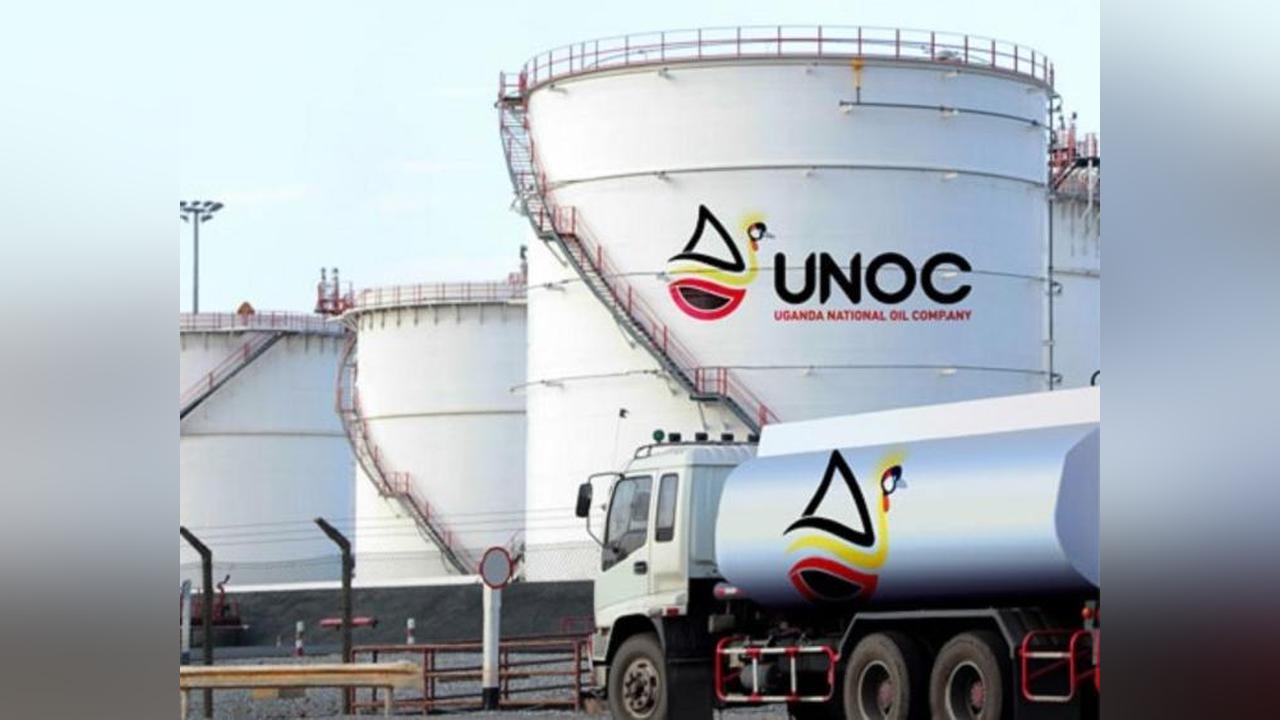
Leading the pack is the Uganda National Oil Company (UNOC) Limited, which recorded a staggering surplus of Shs359.731 billion.
This marks a massive 9,609% turnaround from a prior loss of Shs3.78 billion. The audit attributes the surge to UNOC’s strategic acquisition of licenses for the importation, storage, and wholesale distribution of bulk petroleum products.
Mandela National Stadium Limited (MNSL) reported a profit of Shs92.6 billion, a 396% increase fueled largely by government subventions for Phase II renovations.
National Housing and Construction Company Limited (NHCCL) posted Shs79.2 billion, a 2,367% leap driven by significant fair value gains on its investment properties.
The energy sector, however, faced a challenging year. Uganda Electricity Generation Company Limited (UEGCL) remained profitable at Shs25.018 billion, but this represents a sharp 54% decline from the previous year.
Auditors noted that the multi-billion shilling Karuma Hydropower Plant is currently underutilized due to low national demand, dragging down overall revenue.
Far more concerning is Uganda Electricity Transmission Company Limited (UETCL), which swung from an Shs82.25 billion profit to a massive Shs293.09 billion loss.
This 456% downward reversal was primarily triggered by increased impairment provisions on receivables.
Some losses are being framed as “strategic.” The Uganda Broadcasting Corporation (UBC) saw its losses widen by 424%, reaching Shs7.5 billion.
Management explained that this decline is part of a strategy to open radio stations in low-income areas to disseminate government information rather than focus purely on commercial gain.
Other notable findings include Uganda Printing and Publishing Corporation (UPPC), which reported a modest profit of Shs1.45 billion but continues to struggle with equipment downtime and non-compliance by several government MDAs with the Presidential directive to award the corporation 40% of all printing jobs.
Uganda Property Holdings Limited (UPHL) transitioned into a loss of Shs96 million following the exit of the World Food Programme (WFP) as a major client.
Uganda Railways Corporation (URC), though still in the red with a Shs32.81 billion loss, showed a 10% improvement due to better cost containment and increased internally generated funds.
The mixed performance underscores a critical need for oversight. While the “Big Three” – UNOC, MNSL, and NHCCL – deliver significant returns to taxpayers, the heavy losses at UETCL and declining margins at UEGCL suggest Uganda’s energy infrastructure currently outpaces market demand.
The Auditor General’s report serves as a reminder that without addressing underutilization and high operating costs, the future stability of these state enterprises remains at risk.