Africa-Press – Uganda. On Easter Sunday evening, as many of you were celebrating or turning up your music, I shared on social media one of my articles on corruption, along with a video of Nakibuuka Irene, who died on April 5 following alleged state brutality inflicted on her during election day. However, my post attracted backlash, with some labeling it unpatriotic.
“Fellow citizens, let’s be patriotic to our country because sharing such things on social media damages our ruling government’s image,” Jonah Katurebe (not his real name), a National Resistance Movement supporter and one of the trained patriotic corps, cautioned.
In response, I shared a report from the Inspectorate of Government indicating that Uganda loses approximately 10 trillion shillings (2.7 billion US dollars), about 44 percent of government revenue meant for service delivery and national development, to corruption.
Jonah Katurebe represents many mono-partisan political supporters turned “patriotic corps” who intentionally turn a blind eye to public affairs that directly affect their wellbeing, livelihoods, and families.
These trained patriots often label civically aware and politically conscious citizens—those who offer constructive criticism—as anti-government, opposition, or even foreign agents.
Consider the late Irene Nakibuuka. Her abduction by armed state operatives reportedly followed a conversation with peers about Bobi Wine’s chances in the January 15 polls. That was an act of participating in public affairs, as guaranteed under Articles 38(1) and 29 of the Constitution.
In a country where leadership trembles at dissent and the spoils system defends itself with intimidation and brute force, it is no surprise that patronage is often mistaken for patriotism.
Fellow Ugandans, let us be guided. There is a clear difference between patronage and patriotism.
Patriotism is love for one’s country, while patronage is the act of supporting or backing an establishment, often regardless of its shortcomings.
Patriotism is enshrined in Article 17 of the 1995 Constitution of Uganda, which mandates citizens to love, defend, and honor their country, uphold national symbols, pay taxes, combat corruption, and remain loyal to the nation.
Even without coercion or formal training, citizens naturally take pride in their country.
For instance, Ugandans have demonstrated unity and cohesion by supporting the national football team, displaying national flags, singing the national anthem, and participating in elections despite ethnic, religious, and political differences.
On this basis, I strongly disagree with the notion—advanced by some National Resistance Movement supporters and so-called patriotic corps—that patriotism means “see no evil, hear no evil, speak no evil.”
Citizens genuinely love their country. That is why they are concerned when taxes, remittances, and public revenues meant for service delivery and development are misused.
True patriotism allows citizens to hold their leaders accountable. It encourages constructive criticism, not blind praise when public officials fail to account for funds meant for roads, hospitals, schools, and social services.
On the contrary, patronage compels citizens to pledge allegiance to a particular leader or political party, regardless of inefficiency or failure.
Across many African countries, patronage has been used to entrench kleptocracy, authoritarianism, and even totalitarianism.
Under patronage systems, public offices, contracts, and business opportunities are often allocated based on loyalty rather than merit.
As a result, public servants become accountable to appointing authorities instead of the people, undermining transparency and accountability.
This spoils system fosters impunity, nepotism, and large-scale corruption, weakening public institutions and eroding trust.
One of the most dangerous consequences of patronage is its role in obstructing the peaceful transfer of power. Loyal beneficiaries of the system often become the biggest obstacles to political transition.
In countries such as Cameroon, Uganda, Eritrea, and Equatorial Guinea, where patronage is deeply entrenched, peaceful transitions of power are increasingly rare.
Terms like “Bazukulu,” cadres, and revolutionary guards have been popularized to reinforce loyalty to ruling establishments and deepen patronage networks.
It is disingenuous to weaponize patriotism as a tool to indoctrinate young people and otherwise informed citizens into partisan defenders of the indefensible.
Unfortunately, these well-funded patronage systems have gradually turned university professors, lawyers, journalists, and ordinary citizens into enablers of impunity, corruption, electoral malpractice, and human rights abuses.
Have we not seen respected academics and diplomats take to social media, print, television, and radio to justify abuses of power and constitutional violations in the name of patriotism?
Fellow countrymen and women, there is nothing patriotic about defending torture, assault, abductions, or enforced disappearances such as that of Sam Mugumya.
Patriotism should never be measured by political affiliation, but by one’s commitment to the betterment of society and the safeguarding of constitutional principles.
It is now incumbent upon all citizens to remain vigilant and recognize that patriotism is not blind loyalty to a government or leader, but the fulfillment of constitutional duties, civic responsibility, and moral obligation.
I am not dismissing patriotism as essential to nation-building. Rather, I seek to correct the dangerous conflation of patriotism with patronage.
Reforms and restructuring of national patriotism institutions—especially those that distort patriotism into political patronage—are urgently needed to restore sanity, rebuild public trust, and strengthen nation-building.
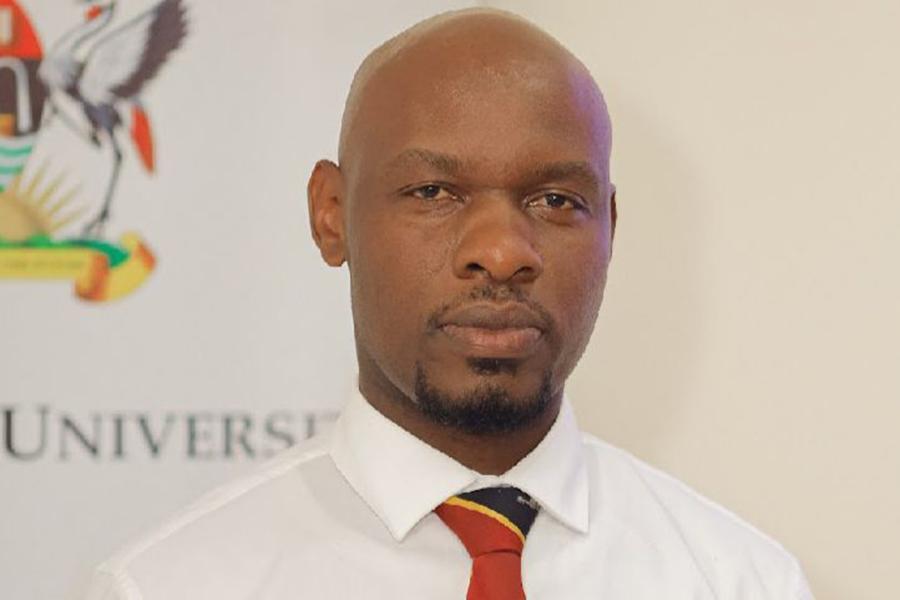
Robert Kigongo is a sustainable development analyst
Source: Nilepost News
For More News And Analysis About Uganda Follow Africa-Press