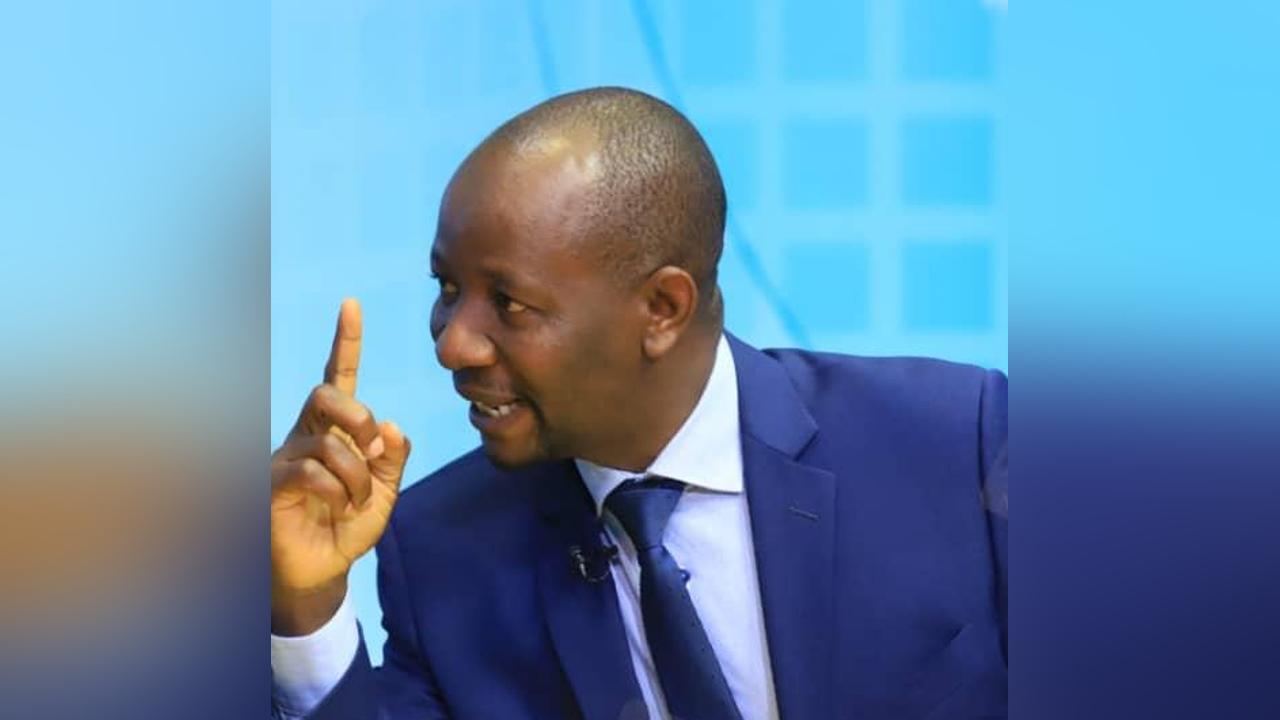
Africa-Press – Uganda. Outgoing Kira Municipality Member of Parliament Ibrahim Ssemujju Nganda has criticised the decision to award Shs 100 million to Members of Parliament-elect who attended a recent retreat at the National Leadership Institute (NALI) in Kyankwanzi, describing the move as excessive and damaging to the integrity of Parliament.
Speaking on NBS Frontline on Thursday, the People’s Front for Freedom spokesperson said the payment risks portraying the legislature as driven by financial incentives rather than public service.
“They have made the whole project of Parliament look like a cash bonanza. If you are already paying MPs very well, why add them Shs 100 million?” he said.
Ssemujju also raised concerns about what he described as declining standards in legislative leadership and national vision.
“We are dealing with MPs whose level of depth is councillorship,” he added.
During the same programme, Jimmy Akena, president of the Uganda People’s Congress (UPC), questioned the effectiveness of long-standing ruling party programmes, citing past initiatives as evidence of systemic shortcomings.
“Which plan of NRM has ever worked, right from ‘Entandikwa’? I don’t see the spirit of Uganda in NRM. I didn’t see it in the Kyankwanzi retreat,” Akena said.
The criticism follows a pledge by Yoweri Museveni to provide Shs 100 million to each MP-elect who attended the retreat, held under the auspices of the ruling National Resistance Movement at Kyankwanzi.
During the same talk show, MP-elect for Older Persons in the Eastern Region Ofwono Opondo confirmed that Shs 20 million of the pledged amount had already been disbursed, with the balance expected later.
According to President Museveni, the funds are intended to support incoming legislators as they prepare for swearing-in and parliamentary duties.
The retreat brought together MPs-elect, including independents and representatives from cooperating political parties, as part of efforts to strengthen ideological alignment and institutional capacity.
Organisers said discussions at the Kyankwanzi meeting focused on Uganda’s economic trajectory, national sovereignty, regional integration, Pan-Africanism, and leadership cohesion within government structures.
However, critics argue that the financial pledge risks overshadowing those objectives, raising broader concerns about political culture, accountability, and the public perception of Parliament.
For More News And Analysis About Uganda Follow Africa-Press