Africa-Press – Uganda. The Ugandan Banyarwanda community has taken a significant step toward addressing long-standing grievances by electing a new leadership committee.
The newly appointed leadership, under the guidance of Chairman Simon Kaitana, has committed to pushing for a constitutional amendment to end the discrimination they face in acquiring national identification documents such as national IDs and passports.
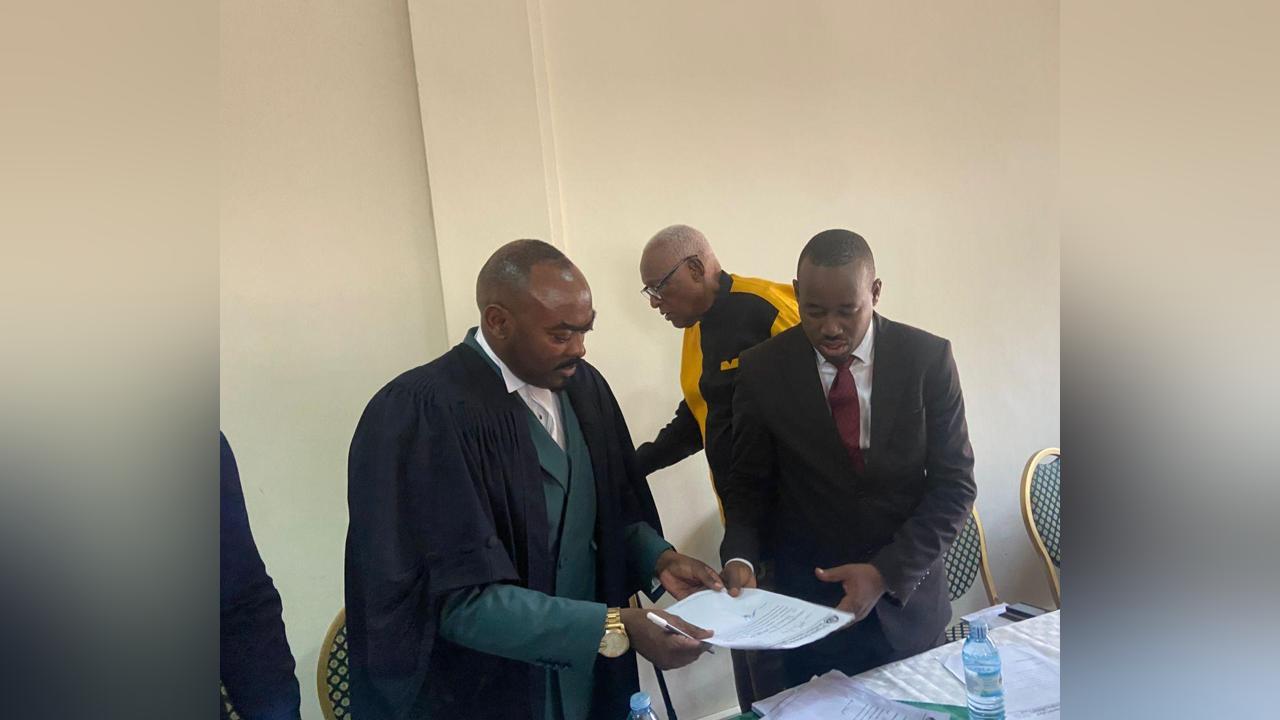
The election, held at the Annual General Assembly in Kampala’s Musa Courts Apartments, marks a crucial moment for the community, which has long struggled to be fully recognized as Ugandan citizens.
UMUBANO, the umbrella association for the Banyarwanda, has been advocating for equal treatment under Uganda’s Constitution, particularly in relation to Article 10, which outlines the criteria for citizenship.
Kaitana, who replaces Donald Kananura, stated in his address to the media that the current provision in Article 10, which ties citizenship eligibility to individuals born in Uganda whose ancestors resided in the country before 1926, has created significant hurdles for the Banyarwanda.
He explained that many members of the community, despite having lived in Uganda for generations, are unable to prove their ancestry to that specific date, effectively denying them basic citizenship rights.
“There is an unjustified historical barrier placed upon us,” Kaitana said.
“Article 10 subjects us to proving our lineage to a date that does not reflect the current reality of our existence in Uganda. We are Ugandans, and we should be treated as such, without unnecessary bureaucracy or segregation.”
The newly elected leadership committee, which will serve a two-year term, has vowed to unite the community and increase engagement with key stakeholders, including government institutions and lawmakers.
Their main goal is to amend Article 10 to ensure the Banyarwanda are treated equally to other Ugandan citizens in the process of obtaining essential documents.
Fred Mukasa Mbidde, a lawyer and advisor to the association, emphasized that the current legal framework violates international principles of human rights.
He stressed that Uganda’s citizenship laws should be reformed to align with global standards, including the Universal Declaration of Human Rights, which calls for equality before the law for all citizens.
“The existing law does not reflect the reality of Uganda’s diverse population. It is discriminatory and contravenes international human rights law,” Mbidde said during the swearing-in ceremony of the new committee.
He also noted that the leadership would focus on ensuring that information about the proposed changes reaches all members of the Banyarwanda community, both within Uganda and the diaspora.
In addition to their efforts to change the constitutional provisions, the new leadership will focus on rebuilding unity within the community, which has experienced internal divisions over identity and representation.
Kaitana and his team have pledged to reconcile these differences and present a unified voice in their advocacy for equal rights.
The new committee also includes Frank Sserubiri, a prominent member of the government and deputy chief Muzzukulu of President Museveni, who will represent the interests of Banyarwanda working in government.
Sserubiri stressed that the leadership would also collaborate with the government to ensure that Banyarwanda are better represented in national development activities.
The election of a new leadership committee signals the beginning of a more organized and determined push for constitutional change.
The Banyarwanda community, long marginalized, is hoping that their efforts will lead to greater recognition and the removal of barriers to citizenship that have affected them for generations.
With the support of their newly elected leadership, the Banyarwanda community plans to launch a vigorous nationwide campaign to educate Ugandans on the need for constitutional reform.
They are also seeking a meeting with President Museveni to discuss their proposals and gain his support in changing the law to recognize the Banyarwanda as full citizens of Uganda.
For More News And Analysis About Uganda Follow Africa-Press