Africa-Press – Uganda. Former royal guards of the Rwenzururu Kingdom in Kasese District say they need urgent psychosocial support after reports some of them have suffered mental breakdowns.
The 217 individuals, who had faced charges including terrorism, murder, treason, and malicious damage at the International Crimes Division of the High Court, regained their freedom months ago. But the mental toll of their seven-year imprisonment is evident.
Government preferred terror and treason charges against them in the chilling aftermath of the November 26-27, 2016 Buhikira Palace bloodbath. More than 150 people were shot dead by the army and police, and hundreds of others were arrested, as the security forces stormed the palace to forcibly disarm and disband suspected militants hiding inside the royal premises.
Mr Edwin Mumbere, the coordinator of the former royal guards, has told that the psychological distress endured during their incarceration has adversely affected many.
“As a collective, we are compelled to ask: What role can we play to rescue these innocent lives hanging in the balance? We bear witness to the mental anguish suffered by not less than five team members who have tragically lost their minds, a consequence of the severe challenges they faced,” he said.
“These individuals require specialised care, as they still perceive themselves in a prison-like state, lacking the sense of being healthy individuals”.
Mr Mumbere warned that without help more individuals are at risk of suffering from mental health issues.
Himself a former royal guard, Mr Mumbere also spoke about the abject poverty facing many of these families. The absence of national identity cards has “placed us at a significant disadvantage, particularly the inability to benefit from crucial government programmes such as the Parish Development Model and Emyooga,” he said.
He said nearly all of the ex-royal guards lack national identity cards which were either confiscated by security operatives at the time of their arrest or simply went missing because of the time they spent in jail.
Mr Alex Baluku, a resident of Kidodo cell in the Central Division of Kasese Municipality, who at the time of his arrest was a businessman in Kasese Main Market, said the lack of proper documents has made it difficult for them to reintegrate within the community.
“My business was no more. I had three pieces of land, but two were sold off, and my children had dropped out of school. I am a very distressed man, and counselling should come in handy,” he said.
Ms Jenifer Kabugho from Kyamuduma Village says she “shifted from Mahango, my home area, and went to stay with my sister in Kinyamaseke because I felt inferior in our community…”
Her initial attempts at vending tomatoes failed. Now Ms Kabugho is resting her hopes on getting vocational skills. “It would uplift me mentally because I would know that I am adding value to the community,” she said.
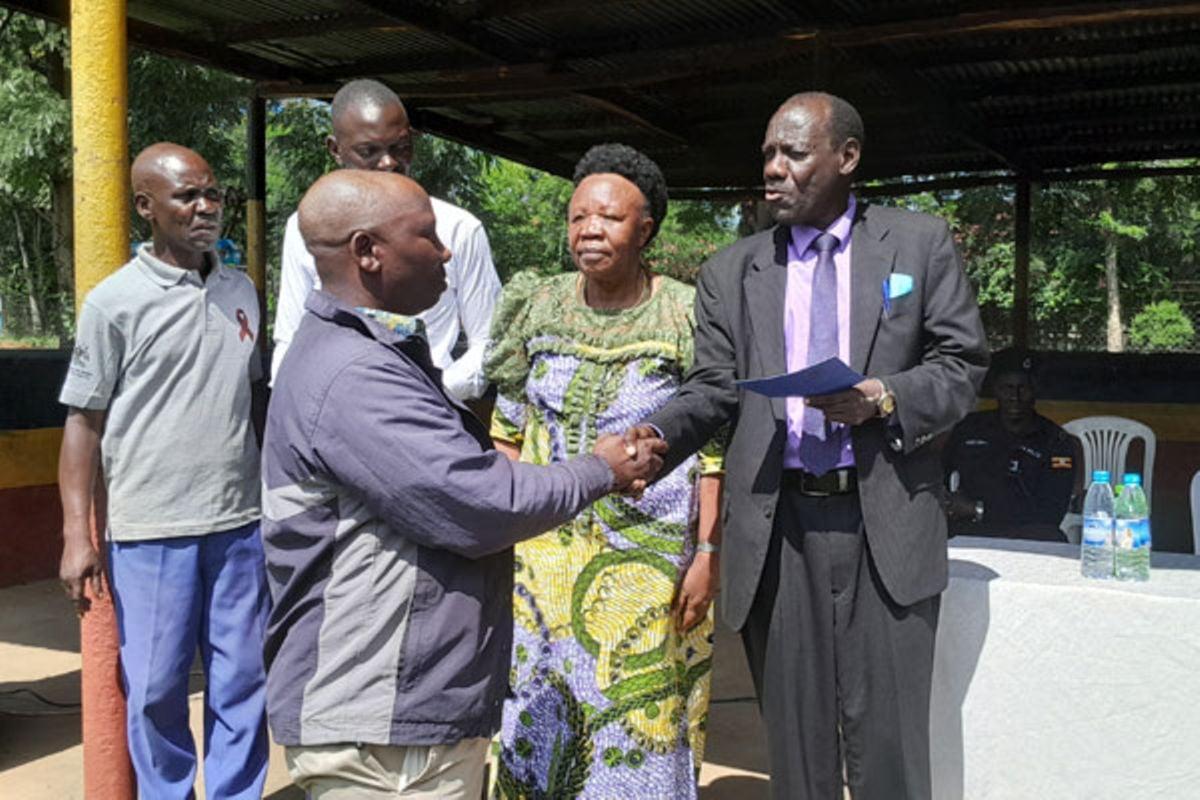
For now, the Amnesty Commission is providing some relief to the former royal guards. Mr Nathan Twinomugisha, the chief legal officer at the commission this week handed out certificates to 138 individuals, bringing the total handed out so far to 208.
“I agree that these people need to be supported to rebuild their lives since seven years was a long period away. Give us the details of those who need critical medical attention so that we write introduction letters for them; I am confident that they would be managed better,” Mr Twinomugisha said.
Mr Twinomugisha further highlighted the practical uses of introduction letters, explaining that they have been instrumental in exempting some individuals from paying certain school fees in government-aided schools.
For More News And Analysis About Uganda Follow Africa-Press