Faridah N Kulumba
Africa-Press – Uganda. Last week, the East African Court of Justice (EACJ) authenticated the government of Kenya’s defence in a case in which Ugandan legal practitioner Male Mabirizi is challenging a ban on maize and poultry products from Uganda. This followed the ruling delivered on Friday, validating the defence filed by the Kenyan government over the matter. The court was presided over by Principal Judge Yohane Masara.
The case
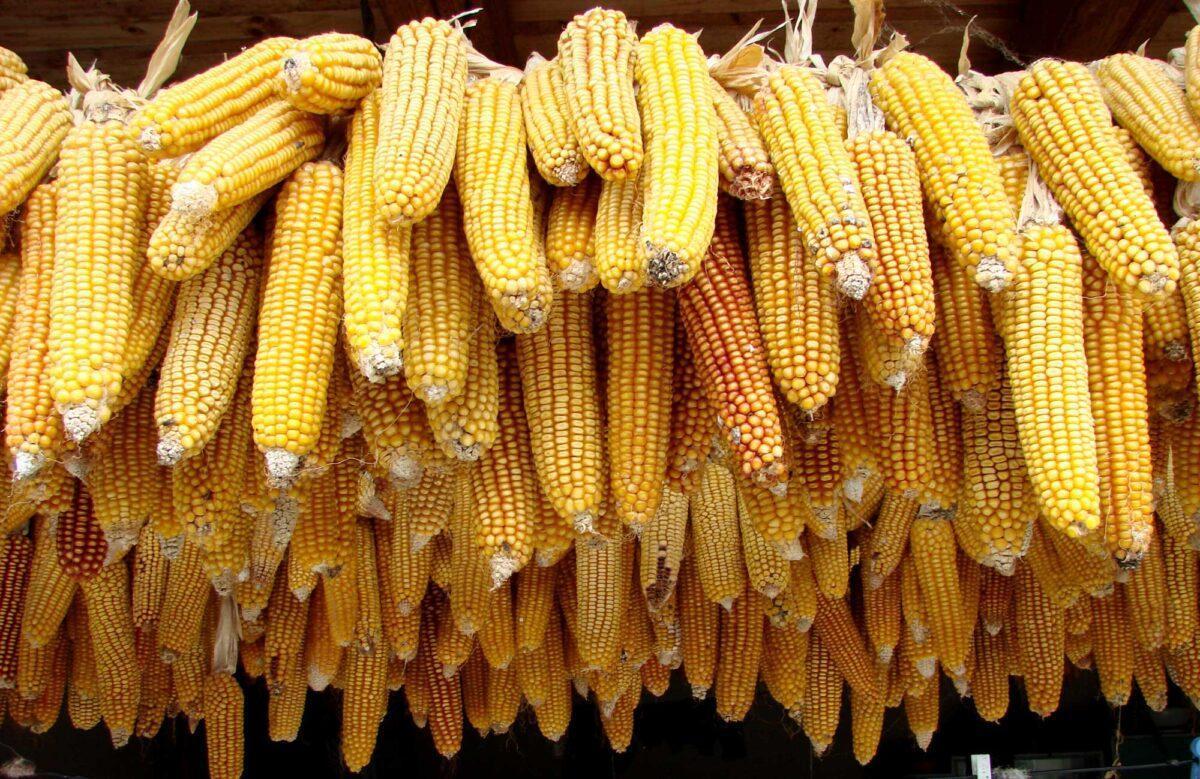
On March 11, 2021 lawyer Mabirizi sued the Kenyan government, challenging directives issued on January 14, 2021, and on March 5, 2021, by the Agriculture and Food Authority of Kenya banning the importation of maize and chicken products from Uganda. The directives were reportedly based on studies that had shown that the products contained mycotoxins and aflatoxins beyond the permitted levels.
Grounds
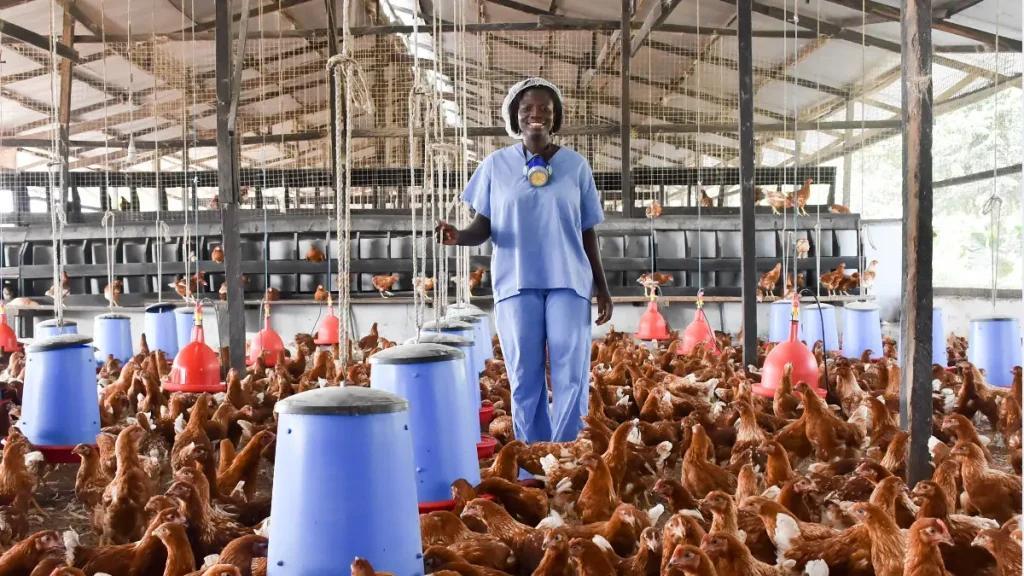
Mabirizi’s petition was challenging the internal memo issued on January 14, 2021, by the director of Veterinary Services in Kenya, banning the importation of chicken cuts and eggs from the East African Community (EAC). While defending his petition in court Mabirizi said that the ban on the importation of goods from EAC partner states is unlawful and infringes the operational principles of the community, which among others, encourage the free movement of goods, transparency, democracy, and rule of law, account and equitable distribution of benefits.
Ugandan banned products
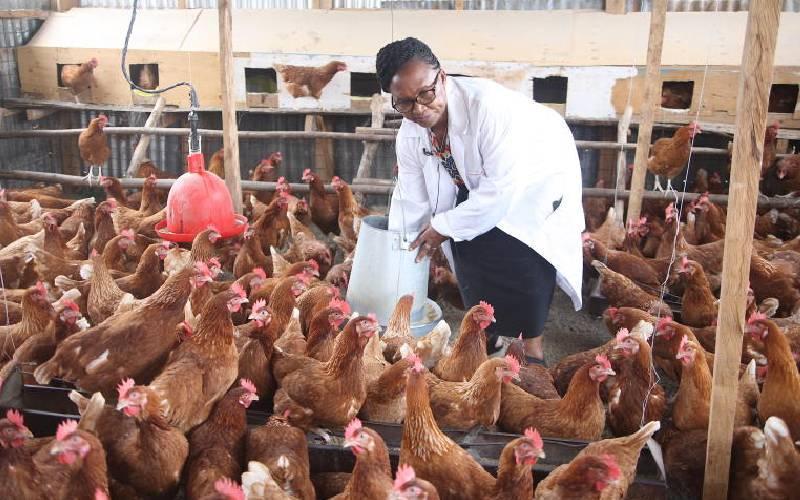
It all started at the beginning of the year 2021 when the government of Kenya restricted the import of Ugandan eggs, chicks, and chickens saying that it was done to protect Kenyan farmers and enable them to recover from Covid-19 disruptions. But Kenya lifted the ban in December of the same year after bilateral talks were held between Agriculture ministers from the two countries.
In March 2021. In March 2021, the government of Kenya through the Director General of Agriculture and Food Authority Kello Harsama went ahead and suspended any exports of maize into Kenya from Uganda, claiming that the test results for maize imported from Uganda and Tanzania revealed high levels of mycotoxins that are consistently beyond safety limits. Uganda exports at least 80 percent of its maize to Kenya with the rest going to South Sudan and the Eastern Democratic Republic of Congo (DRC). Also in July 2020, the government of Kenya instituted a ban on Ugandan sugar and revoked all sugar import permits, some of which were held by Uganda manufacturers and exporters opting to solve challenges facing the country’s sugar industry. The authority in Kenya explained that the influx of imports in their country had negatively impacted sales on Kenyan sugar producers, leaving them with huge unsold stocks.
Mabirizi’s court request
Mabirizi asked the court to quash the directives and issue a permanent order restraining Kenya from implementing its directives on grounds of being illegal. But while the Kenyan government submitted a response to the petition in time, there was a delay in serving Mabirizi with the same. He, on the basis of this, sought to strike out the Kenyan defence for having been filed late. He argued that he was served on May 3, 2021, after the expiry of the 45-day timeline required by law. The court heard that the said days started to run on March 12, 2021, and expired on April 25, 2021. He said that failure to comply with the timelines set by the rules renders the response null and avoid and asked the court to strike it out.
Kenya’s defence
The government of Kenya opposed the application saying that they failed to comply because of COVID-19 pandemic restrictions and measures. At the time, they argued, their office was locked so as to allow fumigation to take place. They added that even after fumigation, the structure of working in the office was changed to a rotational basis and it took time before the officers could settle. Which also incapacitated the serving of the response in time. They said the delay was a result of an excusable ground. About the ban issue, the Kenyan government said it banned. They said commodities to protect their farmers who were recovering from the effects of the COVID-19 pandemic from the competition as well as to prevent the dumping of toxic chemicals, substances, and hazardous wastes within the community.
Kenya also accused Uganda of putting in place tariff measures that make their poultry products uncompetitive while it enjoys unhindered access to the Kenyan markets. For instance, the evidence submitted shows that Uganda was charging Kenya poultry meat value-added tax (VAT) of 18 percent and withholding tax of 6 percent, one percent of infrastructure levy, six percent withholding tax on processed chicken meat, and another six percent tax for broilers and layer day old chicks.
Court’s decision
The E, A court dismissed Mabirizi’s application and validated the response of the Kenyan government saying that the delay was excusable. They added that the Kenyan government filed the response on time but only delayed serving the petitioner, an issue which doesn’t constitute inordinate delay. “In addition, we do not see how the applicant will be prejudiced if the respondent’s late response was to be validated in the best interest of justice. Considering the issues arising from the statement of reference, it is only fair and just that this court hears the respondent on the same before making a determination thereof,” the justices ruled.
For many years Uganda has been Kenya’s largest export destination. In 2020, Uganda took up the most significant fraction of Kenyan exports at 11.2 percent of total export value. Also, Kenya was the second-largest export market for Uganda in 2019, with the country’s goods destined for Kenya taking up 9.38 percent of the total export value. The back and forth between the two East African Community member states decreased trade volume within the region.
For More News And Analysis About Uganda Follow Africa-Press