Faridah N Kulumba
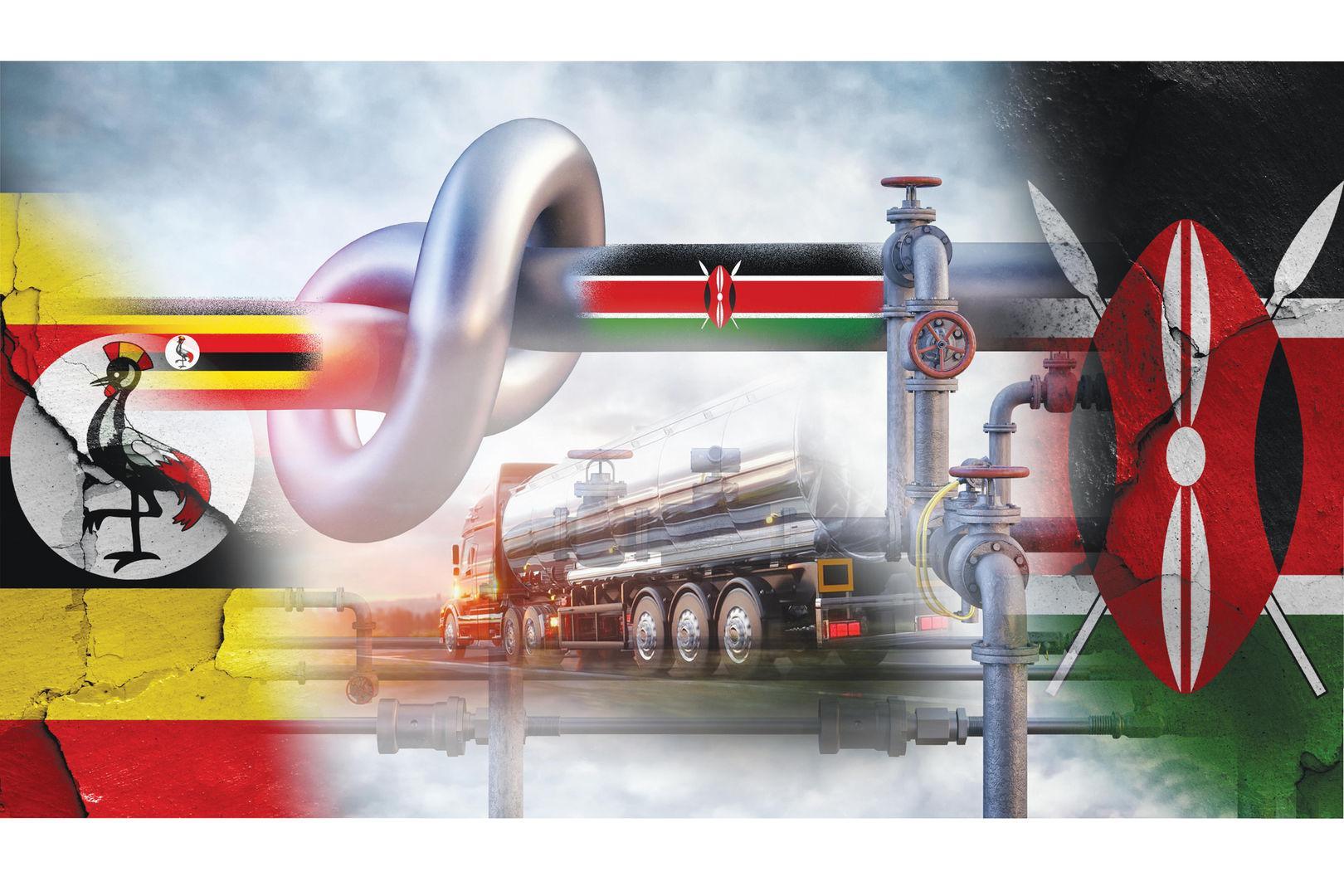
Africa-Press – Uganda. The government of Uganda is in preparation to make changes in petroleum import that will edge out neighbouring Kenya. This followed Uganda’s Energy Minister Ruth Nankabirwa tabling the Petroleum Supply (Amendment) Bill 2023 that was presented in parliament this month. The tabled amendments Bill hand over exclusive rights for the supply of all petroleum products to a unit of global energy trader Vitol and end a system that sources the oil products through Kenya.
The plan
According to the Cabinet resolution, announced by Ms Nankabirwa, the changes are meant to empower the government-owned Uganda National Oil Company (Unoc) to be the sole importer of petroleum and related products, supplied by Vitol Group. Unoc will then sell to private oil marketing companies. Ms Nankabirwa revealed that Unoc and Vitol Bahrain E.C have negotiated a five-year contract, and the partner (Vitol) will be financing the business by providing a working capital.
Reasons for kicking out Kenya
Uganda says using Kenyan importers had exposed the country to occasional supply vulnerabilities where the Ugandan retail companies were considered secondary whenever there were supply disruptions, which affected retail prices. The minister defended the Bill by explaining that Kenya has for decades decided what petroleum products Uganda buys, when, from where, how much, who buys and at what price.
Museveni seconds the Bill
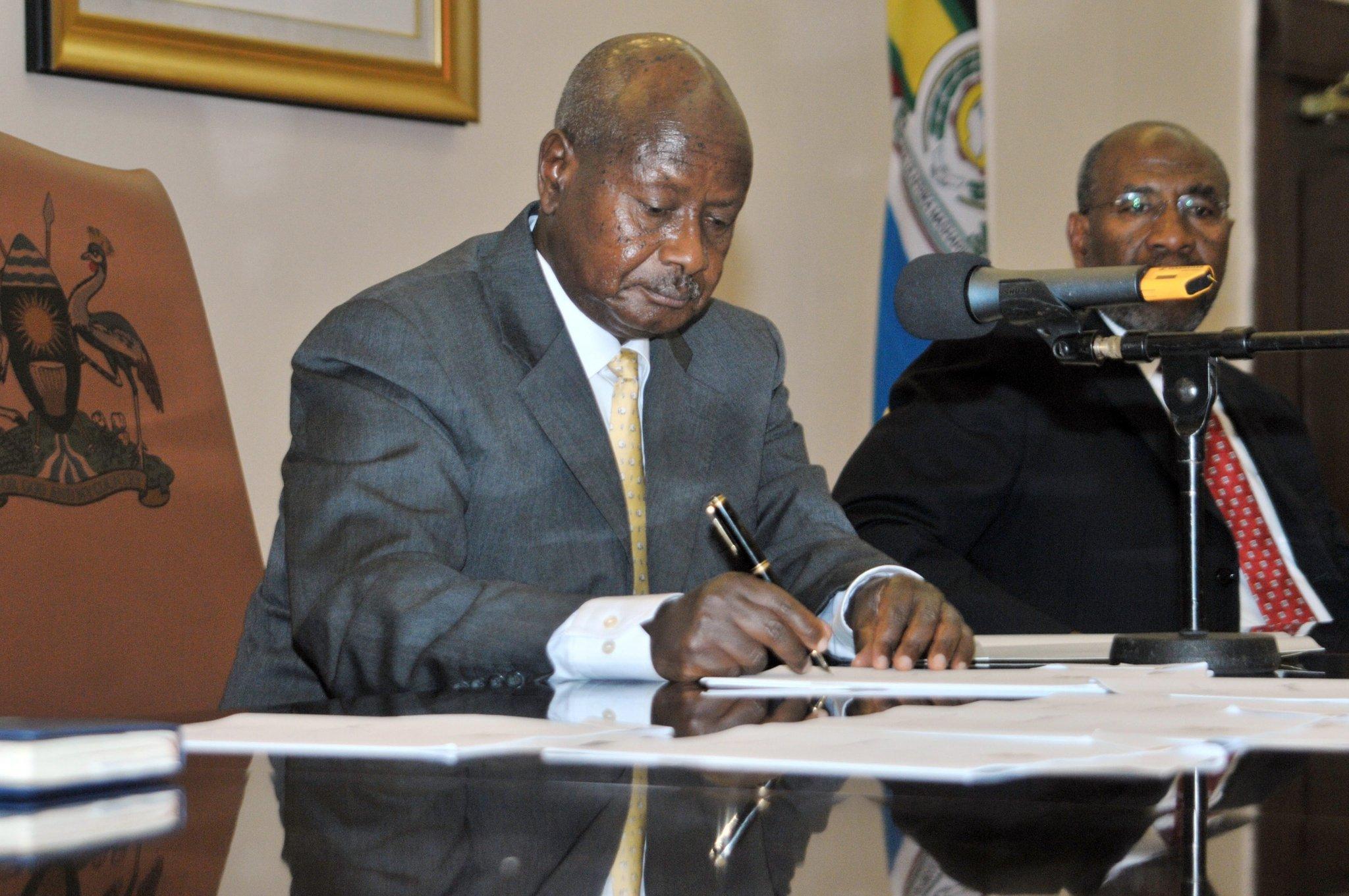
Last weekend the President of Uganda Yoweri Kaguta Museveni said the country was losing billions by buying fuel through middlemen, and that the new deal would solve this. He added that Uganda imports 2.5 billion litres of fuel per year worth USD 2 billion but noted without his knowledge, officials opted to buy it through middlemen in Kenya. According to Museveni, it is better to buy petroleum from the refineries abroad and transport it through Kenya and Tanzania reason being this cut out the cost created by middlemen.
Compare and contrast
Museveni noted that middlemen were selling diesel to Uganda at a price of USD 118 yet the price for bulk suppliers and refineries is USD 83 whereas for petrol middlemen would sell it at USD 97.5 and refineries all at USD 61.5 and for kerosene, middlemen sell it at USD 114 and the refinery at USD 79. The government of Uganda argues that the proposed system will stabilise fuel stocks, create security of supply, and solve price fluctuations. The price of fuel has in the past three months increased from Ush4,900 (USD 1.29) to Ush5,400 (USD 1.42) per litre of petrol. A similar percentage increase has been registered with all the petroleum products.
Uganda’s petroleum import
Currently, Uganda imports more than 90 per cent of its petroleum products through the Port of Mombasa in Kenya and the rest through the Dar es Salaam port in Tanzania. The importation is done independently by the licensed Ugandan Oil Marketing Companies (OMCs) however through the importation structures in Kenya and Tanzania.
Discussions
The government had met with over 40 fuel companies under the Sustainable Energies and Petroleum Association (Sepa), to discuss a Cabinet resolution on the importation of refined petroleum and related products. President Museveni said that Uganda has now contracted bulk and refinery suppliers to be able to import fuel into the country at lower prices, noting he has discussed it with Kenya’s President Ruto and Tanzania’s Suluhu.
The deal concerns
Petroleum product supply firms oppose the government of Uganda deal with Vitol. Several firms interested in supplying petroleum products directly from the refineries have opposed the government’s plans to award the contract to VITOL company, arguing that it would create a monopoly. They caution that this plan would amount to putting all one’s eggs in one basket. Also, lawmakers sitting on the Environment and Natural Resources Committee have questioned the capability of Unoc to solely import fuel and gas products in Uganda, wondering if such a monopoly wouldn’t discriminate against other players in the sector operating in Uganda. Hon Aisha Kabanda made a case against Vitol saying that it is only running to Uganda after failing to secure business with the Kenyan government. She said that it is not fair to make a law that closes business to other companies in favour of one company in the name of securing an importation monopoly by Unoc. Vitol is using Unoc because the Kenyan government called tenders and for three times, Vitol has failed and is now using Uganda to import fuel into Kenya but for Uganda.
How Kenya is likely to be affected
Currently, the companies in the Gulf supply petroleum products to only three Kenyan companies that in turn sell to Uganda’s oil marketing companies. If the open tender system used by Ugandan companies to buy petroleum products from Kenya changes, Kenya will lose up to USD 100 million it has been earning from handling Uganda’s petroleum and related products per year. About 40 per cent of the fuel Kenya imports is exported, mostly through Uganda to the Democratic Republic of Congo and South Sudan. Early this year, when Kenya was facing a deep depreciation of its currency and was spending a lot of money per month on unplanned, short-term fuel purchases, it changed the system from an open tender policy to a government-to-government import mechanism, where it made a deal with Saudi Arabia and the United Arab Emirates. Ugandan concern is that the new Kenyan system could jeopardise fuel supplies and lead to a spike in retail fuel prices.
For More News And Analysis About Uganda Follow Africa-Press