Fardah N Kulumba
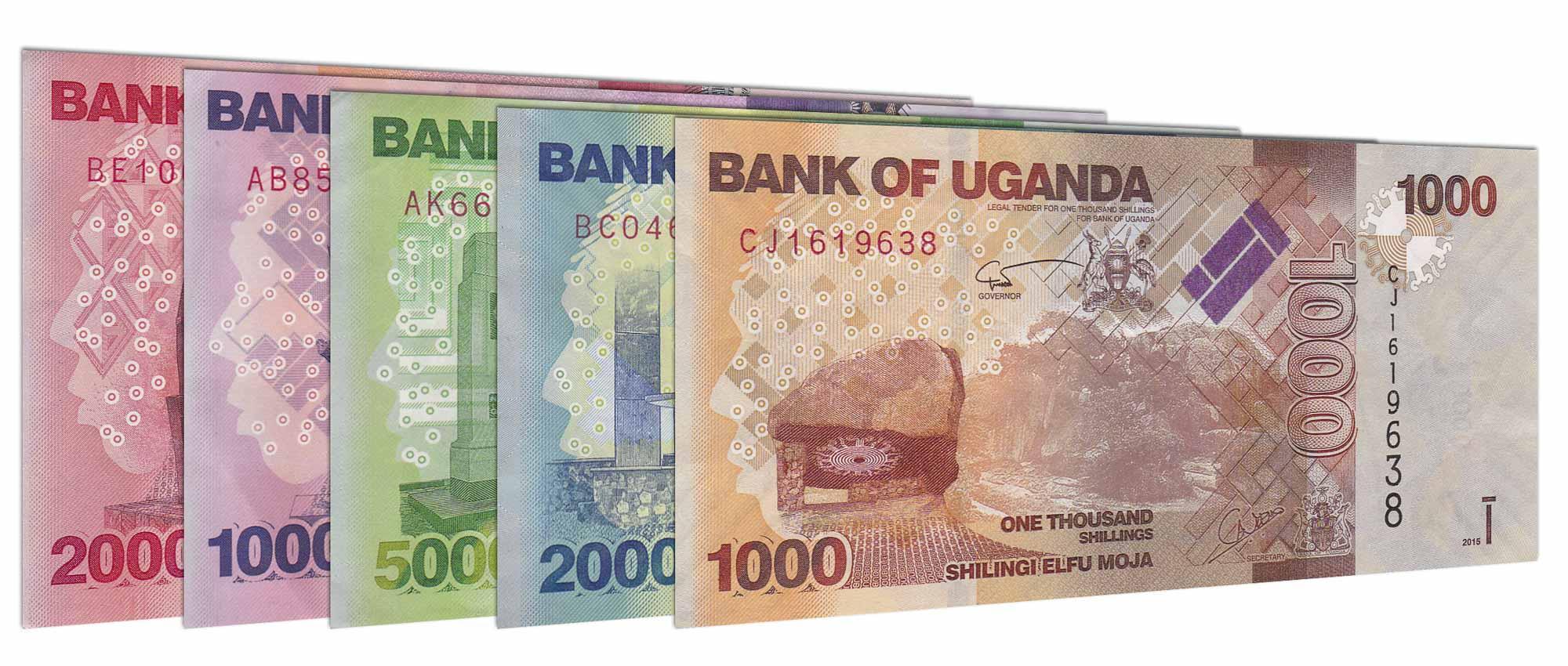
Africa-Press – Uganda. This week Bank of Uganda revealed that the Uganda shilling has remained stagnant since the World Bank announced the suspension of any new requests from Uganda for loans following the passing of the Anti-Homosexuality Act.
In May this year, the President of Uganda Yoweri Kaguta Museveni signed into law the world’s harshest anti-LGBTQ+ bill, which allows the death penalty for homosexual acts.
The new law doubles down on already harsh sanctions imposed on LGBTQ+ people in Uganda, where consensual same-sex sexual intimacy is illegal.
The legislation imposes the death penalty for so-called aggravated cases, which include having gay sex with someone below the age of 18 or where someone is infected with a life-long illness including HIV.
The announcement made by the World Bank
On 8th August this year, after Uganda passed the bill, the US-based global lender announced suspending new loans to the East African country over what is considered among the world’s harshest laws targeting LGBTQ communities.
The World Bank stated that Uganda’s Anti-Homosexuality Act fundamentally contradicts the group’s values, and as a result, no new public financing would be presented to its board of executive directors until the effectiveness of additional measures has been assessed.
“We believe our vision to eradicate poverty on a liveable planet can only succeed if it includes everyone irrespective of race, gender, or sexuality. This law undermines those efforts. Inclusion and non-discrimination sit at the heart of our work around the world,” the lender said in its statement.
The impact of the World Bank announcement
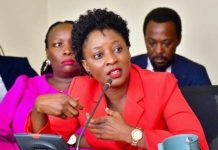
Deputy Governor of the Bank of Uganda Mr Michael Atingi-Ego informed the parliament that, the World Bank’s announcement could have an impact on the exchange rate regarding new financing.
According to the Bank of Uganda, the exchange rate depreciated from about 3650 to nearly 3750 (10 US dollars) in a period of two days.
Mr Atingi-Ego further explained that the exchange rate has remained at the same level since then, leading to pressures and uncertainties surrounding the currency due to the passing of the Anti-Homosexuality Act. Projects worth USD 1.8 billion approximately shillings 6.7trillion are likely to be affected.
Dr. Fred Muhumuza, an economic expert, who has worked closely with the World Bank and the government of Uganda, said the bank has 2,711 active projects running in Uganda, with 798 projects in the pipeline all burgeoning in billions of dollars.
Some of the projects that will henceforth go for review are the 355 million USD for making agriculture more resilient, the 566 Greater Kampala Metropolitan Area Urban Development programme, and the 217 million USD for women’s economic empowerment.
In the past, the World Bank’s commitment and support to Ugandan projects span through a number of GFX sectors with 157million USD in Environmental sustainability, 208million USD in Digital development, some 832 USD, over 400 million in finance and innovation sector, over 300 million USD in transport, 400million USD in water utilities and sanitation, over 200 million USD in education while over 1.1 billion USD in urban resilience and land among other areas.
World Bank’s defense
According to the World Bank Group, their decision aims to protect sexual and gender minority groups from the discriminatory effects of the law, which has faced criticism from human rights groups and the West.
The World Bank statement said that their goal is to protect sexual and gender minorities from discrimination and exclusion in the projects we finance. These measures are currently under discussion with the authorities.
They also mentioned that it would enhance third-party monitoring and grievance redress mechanisms to take corrective action as necessary.
Pressure from above
It should be noted that the World Bank had faced pressure from the U.S. Congress to halt new loans for Uganda until the country repealed the anti-homosexuality legislation.
AS President Museveni gave assent to the Anti-Homosexuality Act, the World Bank postponed a USD 90 million (£54m) loan that was meant to enhance the country’s health services.
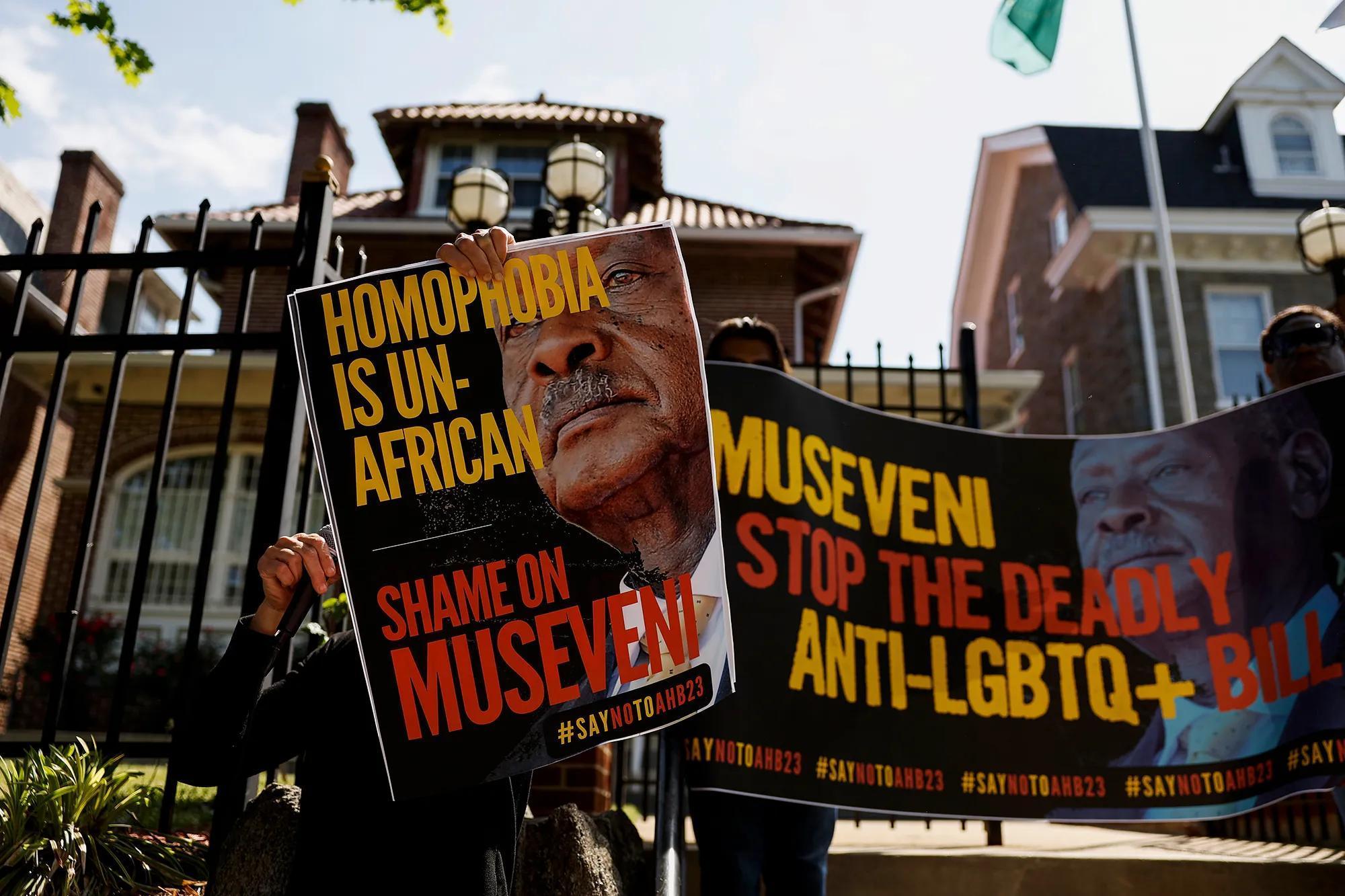
The United States also reacted by imposing sanctions on the Speaker of the Parliament of Uganda Hon Anita Among travelled to the U.S. by revoking her visa. The U.S. vowed to ban all Ugandans involved in human rights abuses against gay people from entering their country.
Several European nations – including Denmark, Norway, the Netherlands, and Sweden – also cut aid to Uganda to show their opposition to the law.
Solutions
The bank determined that additional measures are necessary to ensure that projects are implemented in alignment with its environmental and social standards.
The government of Uganda still insists that they will not dance to the tune of the liberal biased Western institutions and stated that their threats will not pressure the country to change the laws.
The East African country already started looking for a way forward in order for the country’s economy to develop without Western institutions. And one of them is wooing more investors most especially from Arab nations and Asia to invest in the country.
For More News And Analysis About Uganda Follow Africa-Press