By Faridah N Kulumba
Africa-Press – Uganda. The government of Uganda took neighbouring Kenya to the East African Court of Justice after Kenya refused to issue the neighbouring country’s government-owned oil marketer a licence to operate locally and handle fuel imports headed to Kampala. The dispute between Uganda and Kenya over petroleum imports escalated in the past week, with an angry Kampala filing a case at the EACJ against Nairobi for blocking its use of its pipeline to transport fuel.
How it started
In November last year, President William Ruto’s administration declined to issue Uganda National Oil Corporation (Unoc) with a licence to operate as a local oil marketer prompting Uganda to go to the regional court last month in a bid to compel Kenya to issue the greenlight. On 28 December 2023, the government of Uganda appealed to the EACJ seeking to compel Kenya to permit Uganda to use the pipeline. According to Uganda Kenya has reneged on an earlier commitment, made in April last year, to support Kampala’s quest to directly import its fuel starting this month. Kenya, through the Ministry of Energy and the Energy and Petroleum Regulatory Authority (Epra), issued a raft of requirements that Unoc needed to comply with in order to get the licence.
Broken relationship
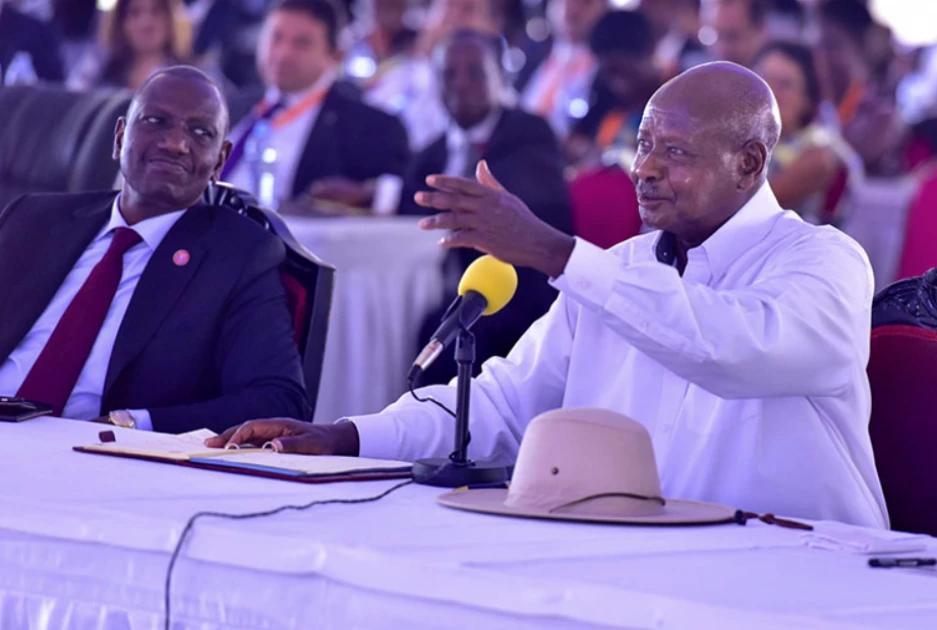
According to some political analysts, Kenya’s decision to refuse to permit Uganda to use the pipeline was the ultimate signal that relations between President Yoweri Kaguta Museveni and President Ruto had broken for good. In times past, the two were bosom buddies, advocating open borders and more trade in Africa. Kenya’s Ruto had been appearing at political functions in Uganda before he became President. And then things changed and now they no longer attend each other’s national events, as Uganda started raising concerns about emerging non-tariff barriers erected by Kenya on bilateral trade.
Museveni and Ruto’s relationship before
In the past, Ruto shared a close relationship with the long-serving President of Uganda Museveni. He had made frequent visits to Uganda including in 2015 when he joined President Museveni at a campaign rally in Kapchorwa, attending the launch of the Kachorwa-Suam road that links to Kenya in 2018, and a private visit to State House Kampala in 2019, where Museveni and Ruto had three-hour private talks. Another visit was supposed to take place at the beginning of August 2021, unfortunately, Ruto was blocked by immigration officials from flying to Uganda for a private meeting with President Yoweri Kaguta Museveni. According to Ruto’s allies, he aimed to borrow political lessons from Museveni’s National Resistance Movement party (NRM) which has been in power for more than 35 years. In 2022, while Africa-Press was interviewing Wakabi Micheal the editor of 256 Business News on whether Uganda and Kenya’s trade ties would improve under Ruto’s administration because the two nation’s Presidents were close, he said that the trade policies of Kenyan governments were not determined by the government of the day but by very powerful business lobbies.
Uganda’s plans to side-line Kenya
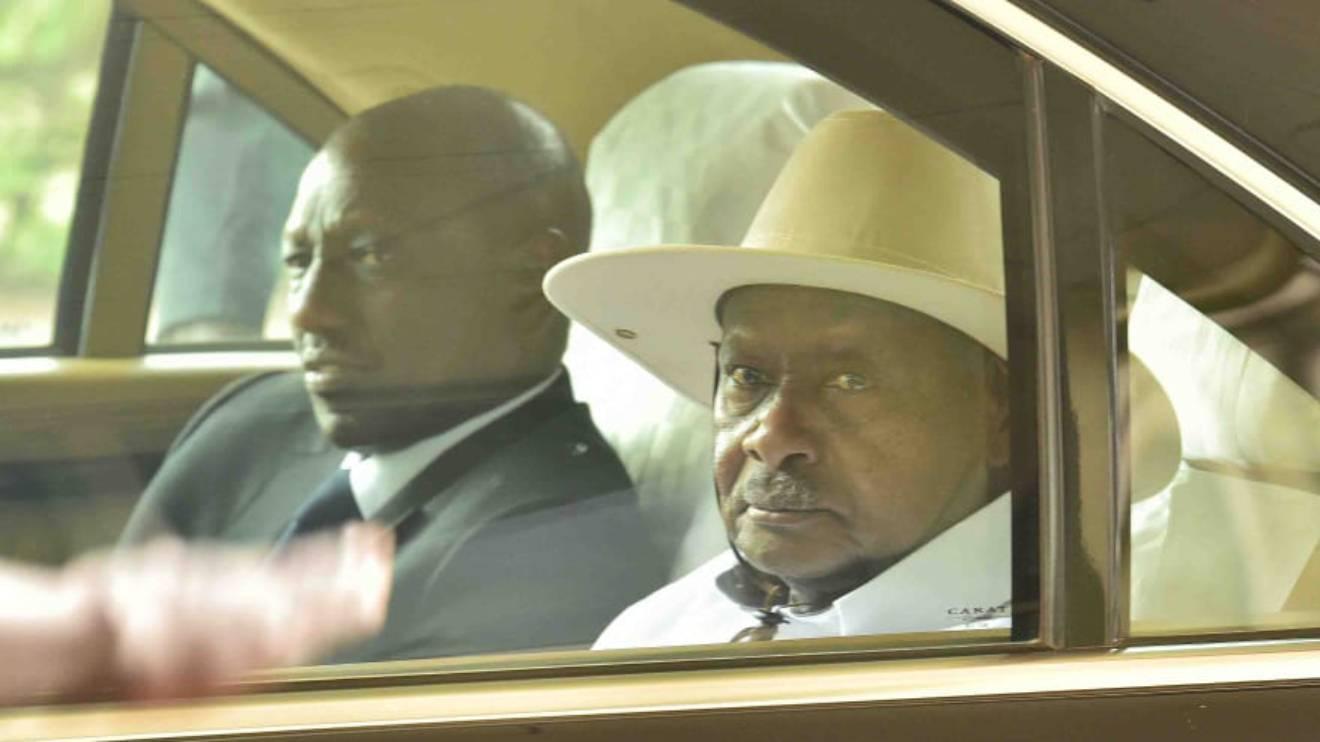
Last year, Uganda revealed the plan to make changes in petroleum imports that will edge out neighbouring Kenya. Uganda’s Energy Ministry tabled the Petroleum Supply (Amendment) Bill 2023 which was presented in parliament. The tabled amendments Bill hand over exclusive rights for the supply of all petroleum products to a unit of global energy trader Vitol and end a system that sources the oil products through Kenya. According to the Cabinet resolution, the changes are meant to empower the government-owned Uganda National Oil Company (Unoc) to be the sole importer of petroleum and related products, supplied by Vitol Group. Unoc will then sell to private oil marketing companies. Minister of Energy Ruth Nankabirwa revealed that Unoc and Vitol Bahrain E.C have negotiated a five-year contract, and the partner (Vitol) will be financing the business by providing a working capital.President Museveni said the country was losing billions by buying fuel through middlemen, and that the new deal would solve this. He added that Uganda imports 2.5 billion litres of fuel per year worth USD 2 billion but noted without his knowledge, officials opted to buy it through middlemen in Kenya. According to Museveni, it is better to buy petroleum from the refineries abroad and transport it through Kenya and Tanzania reason being this cut out the cost created by middlemen. Uganda imports an average of 2.5 billion litres of petroleum annually valued at USD 2 billion (Ksh302.34 billion), with KPC handling at least 90 per cent of the cargo.
Case grounds
Uganda says that Kenya has reneged on an earlier commitment, made in April last year, to support Kampala’s quest to directly import its fuel starting this month. Kenya, through the Ministry of Energy and the Energy and Petroleum Regulatory Authority (Epra), issued a raft of requirements that Unoc needed to comply with to get the licence. The Ugandan Attorney-General says in the court documents that Unoc found the above requirements an unnecessary hindrance to the implementation of its petroleum policy as the petroleum products in issue were wholly transit goods not destined for the Republic of Kenya. The requirements include proof of annual sales of 6.6 million litres of super petrol, diesel and kerosene, ownership of a licensed petroleum depot and at least five retail stations locally. Unoc says that it complied with other requirements such as registering a branch in Kenya under protest as it raced to ensure that Uganda’s deal to directly buy fuel takes off smoothly. The Attorney-General’s Office in Nairobi indicated it had not been served with the court papers and was yet to respond on the suit by press time. In the past few years, the two African Great Lake countries have been having a cold trade war. This trade war between Uganda and Kenya is not only a threat to economic prosperity in the involved state but is also a threat to free trade in the East African Community (EAC).
For More News And Analysis About Uganda Follow Africa-Press