Faridah N Kulumba
Africa-Press – Uganda. At the beginning of this month, the United States (U.S) Department of State announced a visa restriction policy on Ugandans, particularly government officials for undermining democracy and for repression in Uganda.
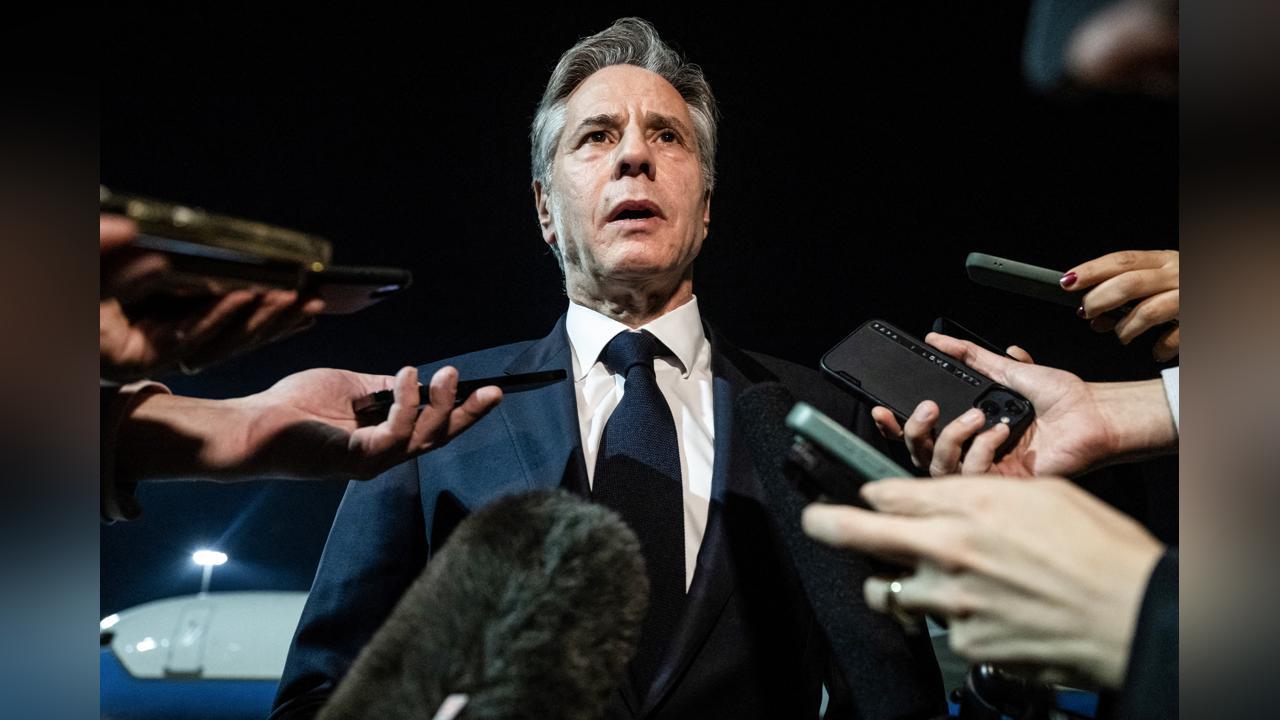
The U.S. Secretary of State, Mr. Anthony Blinken’s press statement that was issued on 4th December 2023, stated that this is an expansion of the 2021 similar restrictions targeting Ugandan officials who are believed to be behind the human rights violations and repression of marginalized groups in the country.
The statement
The U.S. Secretary of State, Blinken explained that after Uganda’s flawed 2021 presidential elections, the visa restriction policy targeting those believed to be responsible for, or complicit in, undermining the democratic process in Uganda. Blinken added, at that time, he implored the Government of Uganda to significantly improve its record and hold accountable those responsible for flawed electoral processes, violence, and intimidation. The current statement was issued to announce the expansion of the visa restriction policy to include current or former Ugandan officials or others who are believed to be responsible for, or complicit in, undermining the democratic process in Uganda or for policies or actions aimed at repressing members of marginalized or vulnerable populations.
Vows and advise
The United States vowed to stand by the Ugandan people and will remain committed to working with them to advance democracy, human rights, public health, and mutual prosperity. The U.S. encouraged the Government of Uganda to make concerted efforts to uphold democracy and to respect and protect human rights so that the two nations may sustain the decades-long partnership between them that has benefited Americans and Ugandans alike.
The said vulnerable populations
These groups include, but are not limited to, environmental activists, human rights defenders, journalists, LGBTQI+ persons, and civil society organizers. The immediate family members of such persons may also be subject to these restrictions.
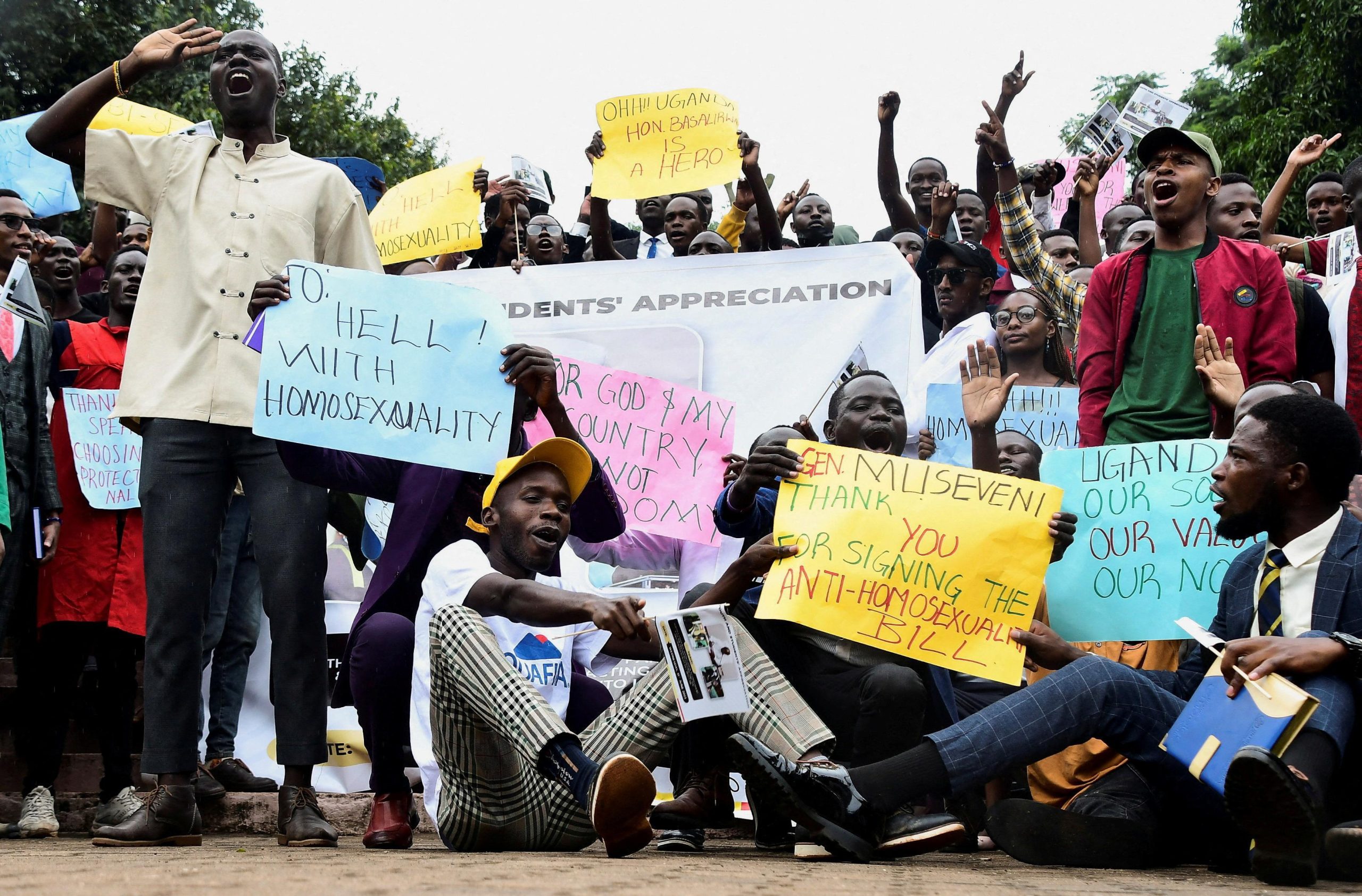
U.S visa sanctions
In April 2021, the United States imposed visa restrictions on some Ugandan government officials for what it called the undermining of the democratic process during the January 14th, 2021 elections. The United States embassy spokesperson in Uganda Mr. Anthony Kujawa while explaining the reason why the U.S was sanctioning these Ugandan officials said that these restrictions were sending a clear message that those who undermine democracy or human rights, along with their immediate family members, are not welcome in the United States. The visa ban was announced by the U.S. Secretary of State Antony Blinken on the Ugandan government officials, whose actions he said represented a continued downward trajectory for the country’s democracy and respect for human rights as recognized and protected by Uganda’s constitution.
Uganda held the elections on 14 January 2021, to elect the President and the Parliament. The Electoral Commission announced Incumbent President Yoweri Kaguta Museveni Tibuhaburwa, who has ruled the country since 1986, as the winner with 58.64% of the votes although the US State Department qualified the electoral process as “fundamentally flawed, and Africa Elections Watch said they observed irregularities. Also in 2023, the U.S National Security Council spokeswoman Caitlin Hayden issued a written statement saying that the Department of State is taking measures to prevent entry into the United States by certain Ugandan officials involved in serious human rights abuses, including against LGBT individuals.
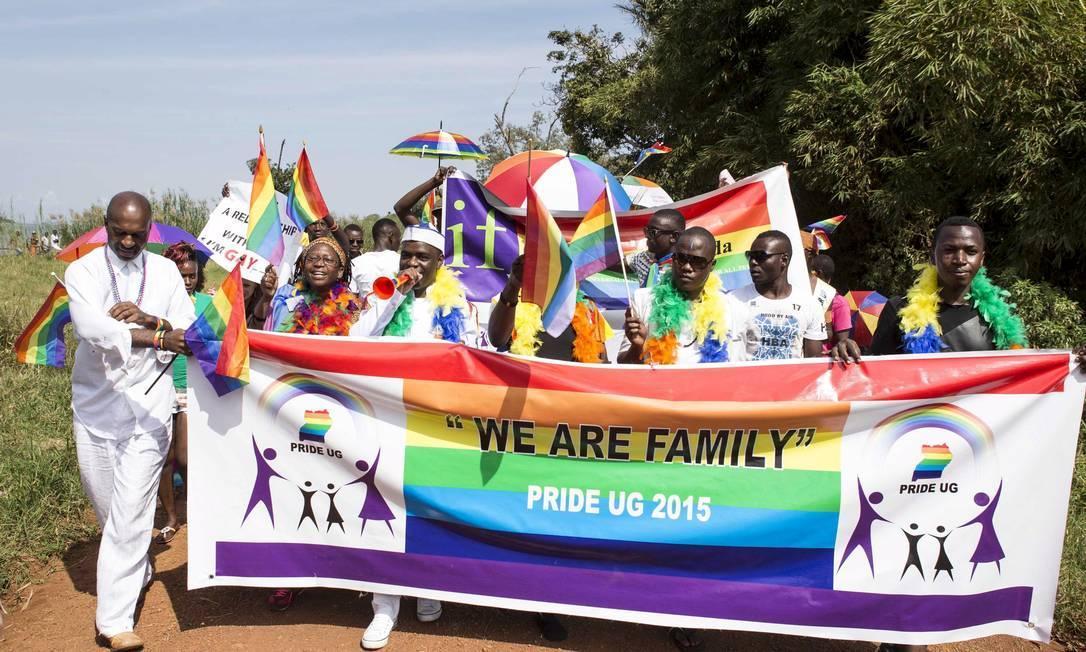
The statement followed the president of Uganda signed into law the world’s harshest anti-LGBTQ+ bill, which allows the death penalty for homosexual acts at the end of May 2023. Uganda resisted pressure from the United States and the donor community, including threats to withdraw funding, especially in the health sector. The United States reacted by imposing visa sanctions on Ugandan officials most especially those who spear-headed the passing of the anti-LGBTQ+ bill, including Ugandan Speaker of Parliament Anita Among. The U.S. also promised to discontinue or redirect funds for certain programmes involving the Ugandan Police Force, National Public Health Institute, and Ministry of Health and has cancelled plans to conduct a US military-sponsored aviation exercise in the African nation.
Ugandan mixed reactions to the new U.S visa ban
Medard Lubega Sseggona opposition legislator said that if there are people who violate rights, they should be sanctioned not only by imposing travel restrictions to America because some of them do not even want to go there, but the U.S should look for these people wherever they are or by denying aid to violating nations. He added that however, the U.S. sanctions are an eye opener for those who have been violating rights to see that the world is a global village that one cannot violate rights and get away with it. Emmanuel Dombo Director of Communication and Publicity of the Ugandan ruling party NRM said that sovereign countries have a right to determine who goes to their respective nations, even Uganda has that right. But the decision the country makes depends on its status, ability, and energy. Dombo added that America can impose sanctions depending on their values and laws, but should not undermine the values of other countries. Ugandan Minister of State for Foreign Affairs Henry Okello Oryem said that described the U.S. travel sanctions on government officials as unfortunate and wrong because they are unjust and they are targeted for malicious intentions, particularly against the government of Uganda.
Name and shame
The United States embassy has not been mentioning the names of the affected officials saying that they cannot provide the names because visa records are confidential. However, on Friday, the U.S Office of Foreign Assets Control (“OFAC”) confirmed that one of the sanctioned officers is Johnson Byabashaija, the Commissioner General of the Uganda Prisons Service for alleged gross human rights abuses targeted at government critics and marginalized groups since 2005. The office contends that during the period under review, members of the Uganda Prisons Service engaged in torture and other serious human rights abuse against prisoners held within prison facilities.
For More News And Analysis About Uganda Follow Africa-Press