Africa-Press – Uganda. People’s Front for Freedom (PFF) President and Kampala Lord Mayor Erias Lukwago has warned that a recent State House meeting between opposition MPs and President Museveni could weaken opposition cohesion and distract public focus from pressing governance challenges in Uganda.
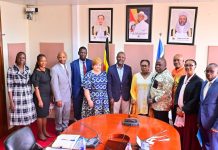
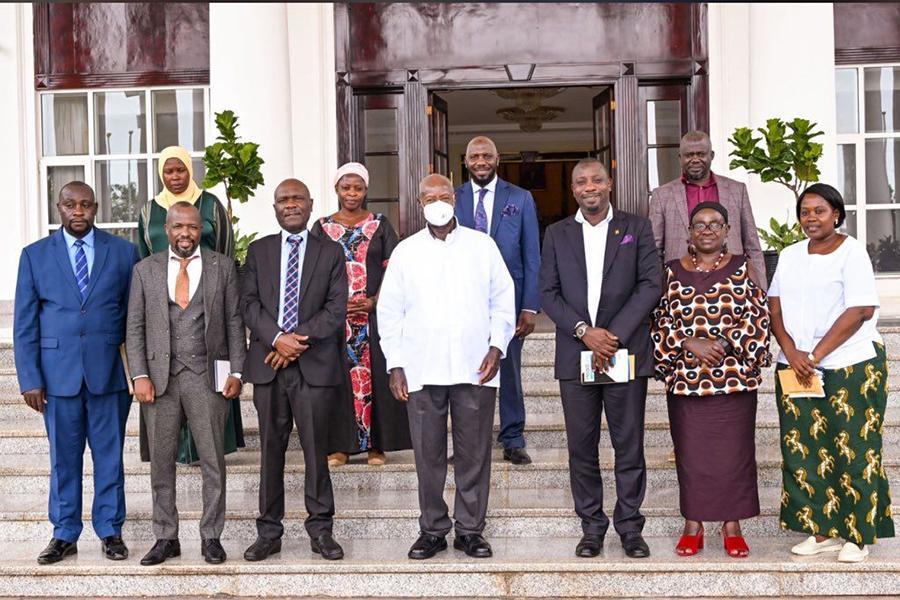
The February 5, 2026 session brought together Museveni and a 17-member delegation led by Mawokota South MP and FDC Party Whip Yusuf Nsibambi.
The two-hour-and-forty-minute meeting took place just weeks after the tense January 15 general elections.
Nsibambi said the group attended under the banner of a “Peace and Reconciliation Platform,” not as a formal political alliance, aiming to calm post-election tensions and address national concerns.
Among the key issues discussed were the release of over 1,000 political detainees, with Museveni reportedly allowing those not formally charged to be freed if they sought forgiveness and refrained from riotous acts.
The meeting also reportedly addressed investigations into electoral violence, including attacks on police stations, and the sensitive topic of political transition after Museveni’s four decades in power.
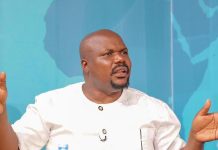
However, Lukwago criticized both the structure and symbolism of the engagement.
“The Constitution says power resides in the people. But the political order dictates that power resides in one person,” he said.
He argued that genuine dialogue should occur between equals rather than in a hierarchical setting.
“With dialogue, you want a round table. You are more or less equals discussing pertinent issues — not pages before a king,” Lukwago said.
The PFF president warned that such meetings risk diverting attention from broader governance concerns, including alleged electoral irregularities and human rights abuses.
“What we are doing right now is playing into a script distracting public debate from pertinent issues,” he said, describing some media narratives as deliberate “red herrings.”
Without naming individuals, Lukwago criticized amplified media coverage of controversial statements by a former presidential candidate, arguing that they overshadow more urgent national challenges.
“There are crimes against humanity being committed against Ugandans. There is despair about the future of this country,” he said.
He further alleged that prior high-level engagements between political actors may have influenced post-election narratives.
“If you connect the dots, you can tell there was discussion about how to manage the aftermath of the election,” Lukwago said.
He reiterated that while Uganda’s Constitution vests sovereignty in the people, political realities continue to reflect centralized power, renewing his call for an independent international audit of the elections to restore public confidence.