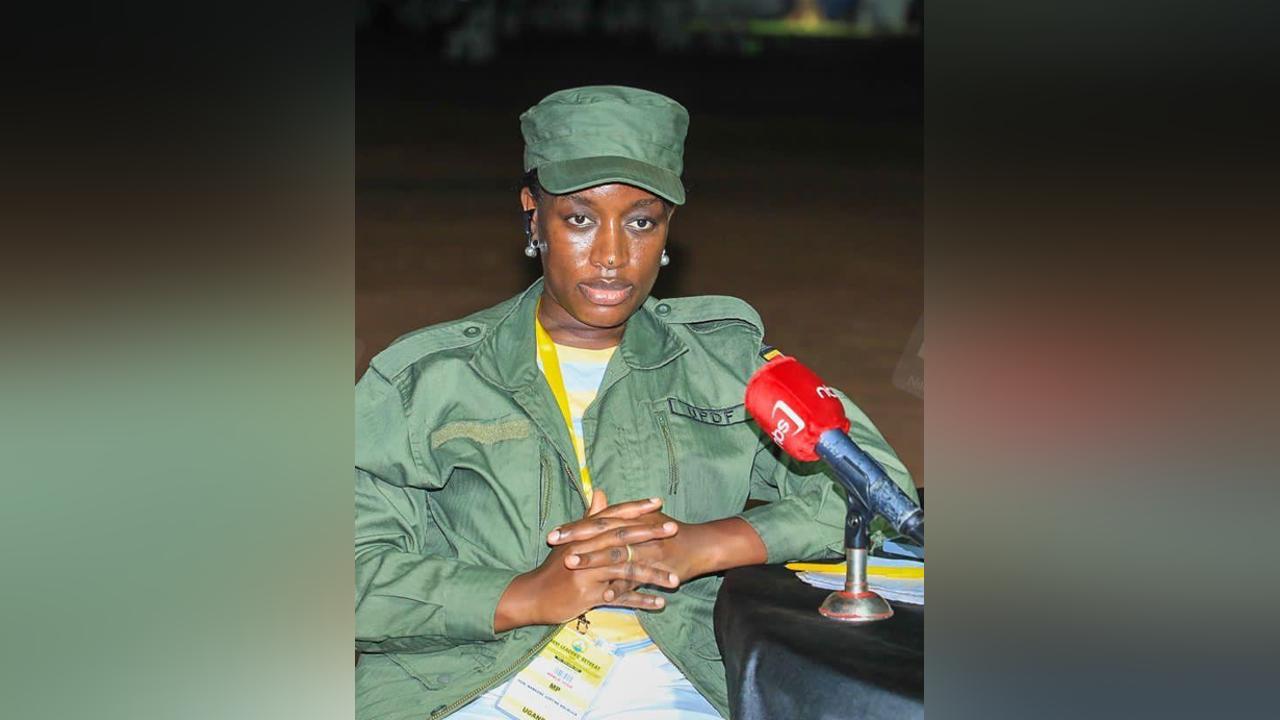
Africa-Press – Uganda. Masaka City Woman Member of Parliament-elect Justine Nameere has called for a united national front against corruption, declaring herself “Commander 001” in what she describes as a collective fight to restore accountability.
Speaking during NBS Barometer, Nameere emphasized that tackling corruption is not the responsibility of one leader, but a shared duty across society.
“Corruption is not solely President Museveni’s responsibility; it is a problem for all of us, and we must collectively fight it,” she said.
“I am Commander 001 of the new stock, and I have mobilized my fellow new MPs so that we can fight corruption.”
She acknowledged the continued focus on corruption by Yoweri Kaguta Museveni, warning that Uganda’s long-term development ambitions depend on decisive action.
“I appreciate that President Museveni emphasized the issue of corruption. If Uganda is to become like Dubai in the next 15 years, we must be intentional,” she added.
During the same talk show, political analyst Charles Rwomushana described corruption in Uganda as deeply entrenched and systemic.
“Corruption in Uganda is syndicated, with entrenched groups ensuring control over key government institutions,” he said.
The remarks come amid renewed concern from the President, who addressed corruption at the closing of the National Resistance Movement (NRM) retreat in Nakaseke District.
Museveni warned that corruption within oversight institutions poses a serious threat to governance.
“If the oversight bodies themselves are corrupt, who will oversee them? That would be institutional suicide,” he said.
He revealed that whistleblower reports had exposed alleged bribery within parliamentary committees, where some legislators reportedly demanded payments from public officials seeking budget approvals.
“They would tell public servants bringing budgets for approval that if they did not pay, the budgets would not pass. Committees had to be paid,” Museveni said.
The President referenced the 2024 arrest of several MPs, including Cissy Namujju, alongside Yusuf Mutembuli and Paul Akamba, over allegations of soliciting a 20 percent bribe from the Uganda Human Rights Commission. The charges were later dropped in January 2026.
Despite the case outcome, Museveni issued a stern warning against corruption in public office.
“I do not want to hear of corruption again in Parliament. Anyone found giving or receiving bribes will face a technical knockout—they will be removed from office,” he said.
He further urged public officials to report any attempts at bribery immediately and cautioned legislators against excessive borrowing, warning that financial pressure could compromise their integrity.
As calls for accountability intensify, Nameere’s remarks reflect a growing push among new political actors to position anti-corruption efforts as a defining national priority.
For More News And Analysis About Uganda Follow Africa-Press