Africa-Press – Uganda. Opposition lawmakers want a major shift in the budgeting process to distribute resources in a way they say puts the needs of the people first.
Led by the Leader of the Opposition in Parliament, Mr Mathias Mpuuga, the MPs say the budget process must consider how people’s rights are impacted by the way government resources such as taxes are raised, allocated, and spent. Specifically, they argue the process of formulating, approving, executing, and auditing the national and other budgets should reflect human rights principles.
Previously, the government used the output-based approach but switched to the current programme-based budgeting, which allocates resources by programme or functional area, in alignment with the national development plan.
The old approach
Mr Mpuuga, also the MP for Nyendo-Mukungwe Division in Masaka City, said the implementation of the programme-based approach has failed due to lack of a monitoring and evaluation framework.
“The communication between National Development Plan III and the programme-based approach is at cross purpose; they are not moving in the same direction,” Mr Mpuuga said, adding, “I have previously spoken about the troublesome nature of the programme-based approach; it is not properly implemented and lacking in terms of evaluation – it is hollow, you can’t evaluate it to determine how far you have gone”.
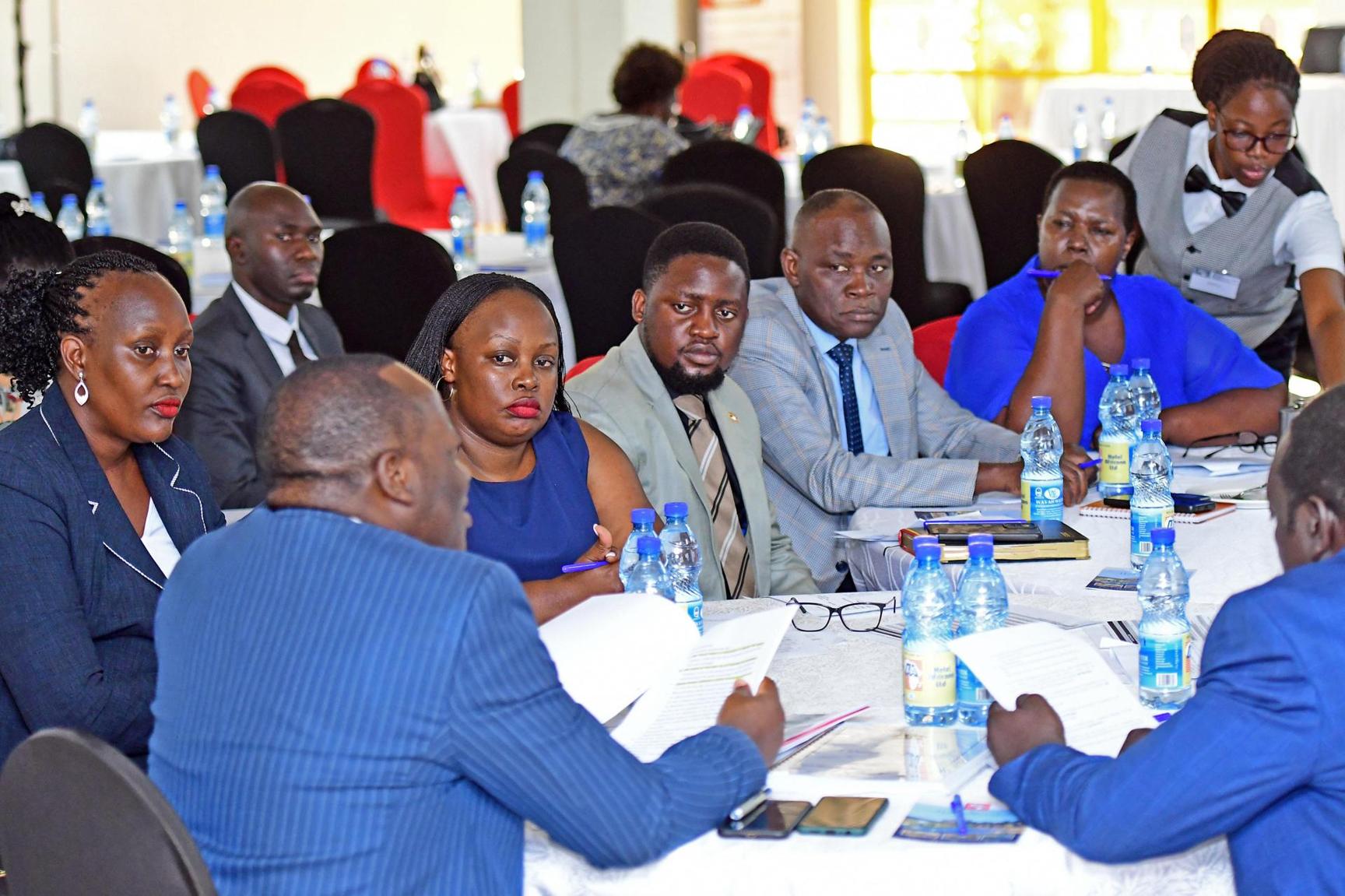
The lawmakers made the proposal during a two-day capacity-building workshop for Opposition MPs on the proposed alternative budget priorities for the coming financial year.
Mr Jonathan Odur, the Shadow minister for defence and veteran affairs, said the new approach is premised on Chapter 4 of the Constitution of Uganda, which places upon the government the duty of respecting and protecting the rights of all citizens.
“Government is a guarantor of human rights and, therefore, bears the duty to respect, protect and fulfil human rights of all the citizens. Generating revenue, allocating and spending all have a bearing on human rights and must be given careful thoughts before final decisions,” he said.
He added that budget decisions reflect the human rights standards set in the national laws and international obligations that are binding on the State.
The lawmakers argued that government will be able to provide things like free school meals, special vouchers for pregnant women or mothers with babies, subsidies, a living wage, among other things if they adopt the approach.
The result, they argue, will be increased life expectancy, less hospital visits, reduced mortality, and increased school retention, among other things.
How it will work
Mr Odur said the adoption of human rights-based budgeting will take into account sustainability, including how much government can borrow and how much it can run in deficit.
Parliament would then review and approve the budget taking into consideration the views of the civil society organisations and the Executive consequently respects and implements the recommendations made by Parliament.
Further, the process would involve examining Uganda’s human right commitments and obligations and analysing the human rights concerns of the children, women, youth, people with disabilities, among others.
When it comes to execution, policies would be created to address the issues raised and provide sufficient funding. As a result, authorities will keep an eye on how the money is being spent, if it was used as intended, what was provided, and who received it. Authorities will also choose whether to continue, improve, or end the intervention after assessing its effects and examine the resource mobilisation activities to ascertain their sufficiency and equity.
Why the approach
The human rights-based budgeting is a powerful tool for promoting human rights and ensuring governments are accountable to the people they serve. It is an innovative approach that has the potential to transform the way governments allocate resources and prioritise the needs of their citizens.
By allocating resources to the government, the human rights-based budgeting strategy gives top priority to the realisation of all human rights, including economic, social, and cultural rights.
It is a relatively new idea that has gained popularity recently as governments have become more conscious of their responsibilities to uphold and advance human rights.
The strategy is founded on the idea that every person has certain fundamental rights, including the right to housing, food, water, health care, and education. Governments are required to uphold these rights under international human rights accords.
The goal of human rights-based budgeting is to make sure government spending plans are made to fulfill these requirements and guarantee that everyone has access to these fundamental rights.
The approach entails scrutinising government spending plans to ensure non-discrimination, involvement, accountability, and transparency are all adhered to.
This entails determining how budget choices will affect vulnerable and marginalised populations and making sure that their needs are met.
Budgeting based on human rights is viewed as a strategy for advancing social justice and minimising inequality. It aims at making sure resources are distributed in a way that benefits everyone, not just the wealthy and powerful, because it understands that budget decisions have a substantial impact on the achievement of human rights.
For More News And Analysis About Uganda Follow Africa-Press