Africa-Press – Uganda. At the beginning of 2020, life came to a standstill. Life as we knew it paused as the world battled the novel Covid-19.
Countries closed their borders, transport systems were shut down and businesses were closed as authorities struggled to contain the pandemic that has to date claimed more than 6.2 million lives and infected more than 500 million people around the globe.
In Uganda, the President announced a total lockdown and shut down learning institutions, sending home more than 15 million learners.
And after more than 80 weeks of closure – the longest in the world – government at the beginning of this year reopened schools. But the true extent of the hit the education sector had taken due to the Covid-19 disruptions was only going to begin unfolding.
It was widely reported at the time that many school proprietors had either sold off or converted their schools into other businesses to pay off loans and put meals on their tables. Government said it had nothing to do for these school owners.
As for their students, many had either conceived, got married or started small businesses and were not willing to return to class. Government had to make a compromise and allow breastfeeding mothers to return to class with their babies.
Teachers on the other hand, following more than a year without pay, resorted to trade and other small businesses to earn a living. To some of them, it was an eye-opener. They realised that they can make more money outside the classroom. Government says it lost about 15 percent, or 17,360 teachers, who chose not to return to the classroom.
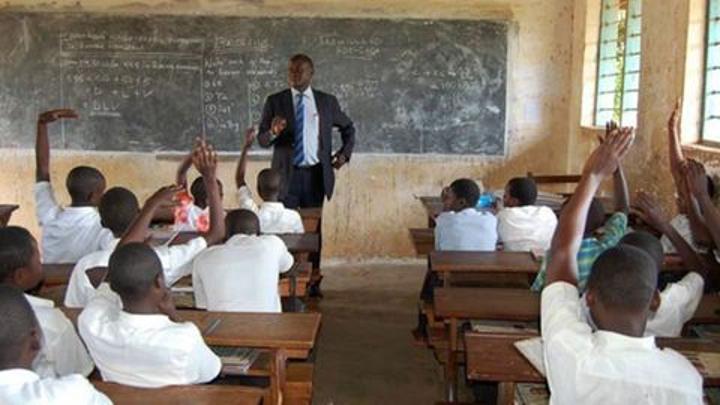
In Zombo District, for example, 1,700 pupils study in shifts because they cannot fit in the same classroom. One has to pity the teachers and the quality of learning taking place.
This week, government announced it is recruiting about 13,315 teachers to replace those who were a no-show in classrooms when schools reopened in January. This is a step in the right direction, however, we need to pay close attention to what made the others quit teaching in the first place.
These reasons are many, ranging from overwhelming numbers of learners, poor pay, poor infrastructure such as housing and science laboratories, indiscipline among learners, among other problems.
Let government recruit new teachers to cover the existing gap in the short-term, but work hard to improve their working environment. Already a significant salary increment for teachers starting next Financial Year has been promised, but any government is as good as its word.
For More News And Analysis About Uganda Follow Africa-Press