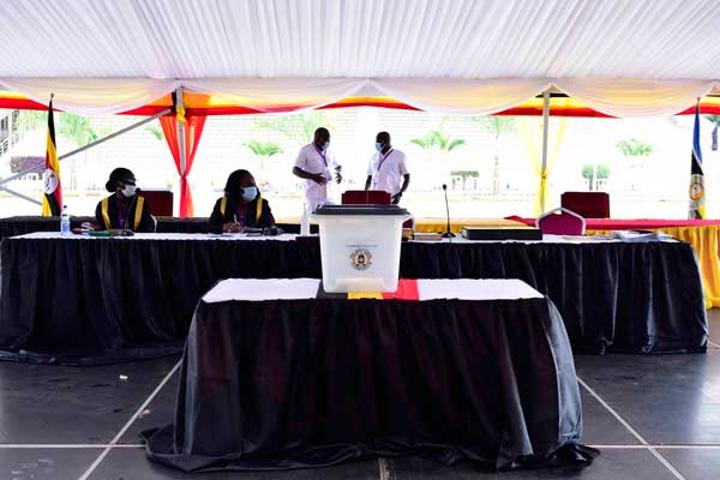
Africa-Press – Uganda. The political season is not yet done. Today, at the Kololo Independence Grounds, the 11th Parliament will convene for the first time.
Key on the agenda is the election of the Speaker and Deputy Speaker to lead the august House for the next five years.
Like any other election, emotions are high. This often prevents the public from benefiting from a debate that will expose the strengths and weaknesses of the candidates.
What Uganda needs today are leaders of institutions that will guide country’s development agenda which makes it important to understand what they stand for.
Since democracy is largely the tyranny of numbers, it’s also a basic to have as many candidates as possible with diverse opinions and experiences.
The more the number of people who want to participate in leadership the better we will become in making the right choices.
Our purpose as the fourth estate is not to choose the right candidate for the voters but to table the key issues that voters, Members of Parliament, should consider as they go to the ballot.
It cannot be about the number of foreign trips someone will earn in the next 60 months but how much the decisions taken by this institution will help the public.
Every election is hinged on the decisions on who is considered part of the people and how authority is shared among or delegated by the people.
The cornerstones of democratic practice include freedom of assembly and speech, inclusiveness and equality, membership, consent, and voting.
Democracy makes all forces struggle repeatedly to realise their interests and devolves power from groups of people to sets of rules.
The values that bind us here as Ugandans should be to make this place better than we found it. Many of our hopes lie in the people we elected to represent us in Parliament.
Once there, their job through the leader, the Speaker, is to aggregate the development agenda through legislation, budgeting, monitoring and checking the excesses of the Executive.
That makes the Speaker a principal component of that process, especially as he or she must guide the debate and allow for as many diverse views as possible.
While there’s often apathy from the public about the performance of Parliament, the leader of the institution can be crucial in addressing the matter.
In many places, MPs are covering up for the lack of efficient service delivery thereby running near-parallel governments.Our representatives need to vote a leader who will push for government to undertake its responsibilities as part of the work not just their per diem.