Africa-Press – Uganda. Last week, the President started his sixth five-year term; this week, MPs were sworn in, and they will be representing the people who elected them for five years, just like the President.
As expected, news of their swearing-in was all over newspapers, social media, TV and radio stations. Some of it provided hilarity in an otherwise serious event: co-wives jostling to get closer to their husband as he took oath; an MP from Arua was accompanied by a man clad in a vivid pink outfit with two belts, a black hat and a tie. He walked as though he had springs in his feet.
As I reflected on what the President, Cabinet ministers and MPs will be doing for Uganda over the next five years, I went back to the list of least developed countries to which I alluded last week. It has 46 countries (not 49, as I erroneously stated), and it shows the year of inclusion for each country. Uganda, which gained independence in 1962, was included in 1971 as were most sub-Saharan countries, which dominate the unenviable list. In all, there are 33 countries in sub-Saharan Africa (the Africa minus North Africa) on the list. And being on the list means underdevelopment and abject poverty.
Like Uganda, many of the African countries on the list were plagued (some still are) by conflict for years. Notable examples include Angola, Burundi, the Central African Republic, the Democratic Republic of Congo, Liberia, Mozambique, Rwanda, Sierra Leone, Somalia and South Sudan. That probably partly explains why they are still on the list.
However, countries such as Benin, Djibouti, Lesotho, Madagascar, Malawi, Mauritania, Niger, Senegal, Togo, Tanzania and Zambia have been largely peaceful for decades. Malawi, Senegal, Tanzania and Zambia have not seen any conflict. They have held elections and changed leaders in largely peaceful elections, but they are still on the list.
Not being on the list does not necessarily mean a country is out of the woods. Kenya, for example, is not on the list and is East Africa’s largest economy, but it remains a poor country. Nigeria is Africa’s largest economy and is not on the list, but it has the largest number of people in Africa living in poverty — along with the DRC and Ethiopia — according to the World Bank.
What does this tell us? Developing a country is not a walk in the park. You can change leaders every which way and still get nowhere. Elections can — and indeed — bring in politicians who are clueless about how a country should be governed and are merely interested in their personal welfare and self-aggrandisement.
In Uganda, for example, politicians who discerning voters say can manage the country well cannot win elections. Politics has become a commercial business, and politicians mortgage their property to secure money for campaigns in the hope that once they get elected, they will recoup their investment. For many MPs, the principal reason they join Parliament is to find means of earning a decent and stable income. The MPs know this and the voters know it. And you have to wonder: How can politics of this kind propel a country forward?
Uganda needs politicians who are into politics because they can and will work for people, not because of money. It needs politicians who can prioritise equipping Ugandans with skills that can develop the country.
But getting politicians of this calibre could take long, probably longer than the 50 years Uganda has been a least developed country. Exactly how and when we will get such politicians is the million-dollar question.
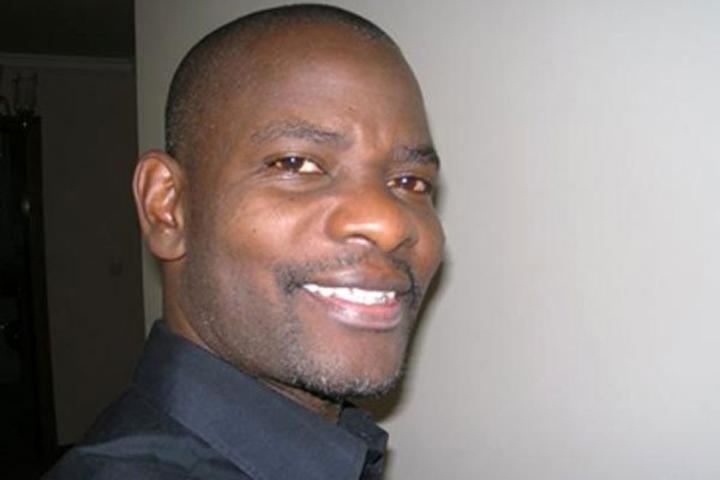
Mr Namiti is a journalist and former Al Jazeera digital editor in charge of the Africa desk
@kazbuk