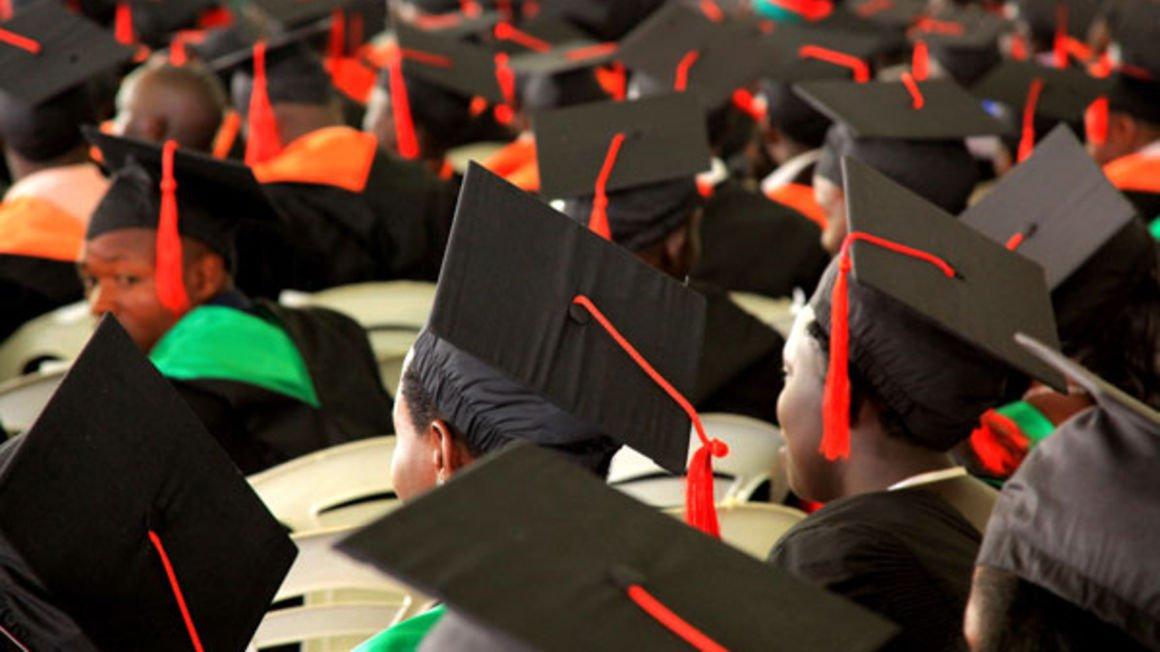
Africa-Press – Uganda. I congratulate all Makerere University students who made it to the graduation list and are part of the 71st graduation ceremony this week. Without a doubt, what they have accomplished is, by no means, an easy task.
Away from the congratulatory messages, I write this piece with a heavy heart because I think we are experiencing a downward spiral in our education system. While literacy levels and access to education have greatly improved, the quality of those graduating from the system is on a consistent decline. And these matters have not helped by the extended amounts of time spent at school.
Currently, by the time somebody attains a university degree, they would have spent at least 18 years in the education system. I find this an awfully long period.
I firmly believe that in most academic fields, except perhaps for medicine and other specialised areas, the duration of university degree courses could and should be shortened by at least a year, or even more. I feel that, even with shortened duration, our children can still get a good education, the one that can prepare them for the competitive job market.
Today, many universities have become like warehouses, storing students for as long as possible instead of preparing them effectively and efficiently for productive work. In lecture rooms, students merely fill books with notes and then cram them by heart for an exam.
Like Albert Einstein once said, “The value of a college education is not the learning of many facts but the training of the mind to think”. Therefore, students should be willing to develop their own ideas in the chosen fields, while also candidly examining any related pitfalls and most importantly, get the fundamentals right!
Honestly, we shouldn’t expect a university degree to solve all our problems and similarly, government alone can’t teach our children to learn. In today’s job market, luck and ‘who you know’ play a key role in securing a job placement, irrespective of the candidate’s level of training and talents. But like they say, luck is where preparation meets opportunity.
In practical terms, one of the best ways of managing this transition could be through integrating technology into the existing curricula and effectively using digital learning tools in lecture rooms. This may increase student engagement, help tutors improve their lesson plans, and facilitate personalised learning. These, in turn, would enable skilled young people to move into the workplace more quickly without further crippling their parents’ resources.
Like never before, the commercial world is fast and has become a more competitive. And I think it’s time for the academia to follow suit with a blend of a few long-overdue innovations to the education system.
Brian Mukalazi