Faridah N Kulumba
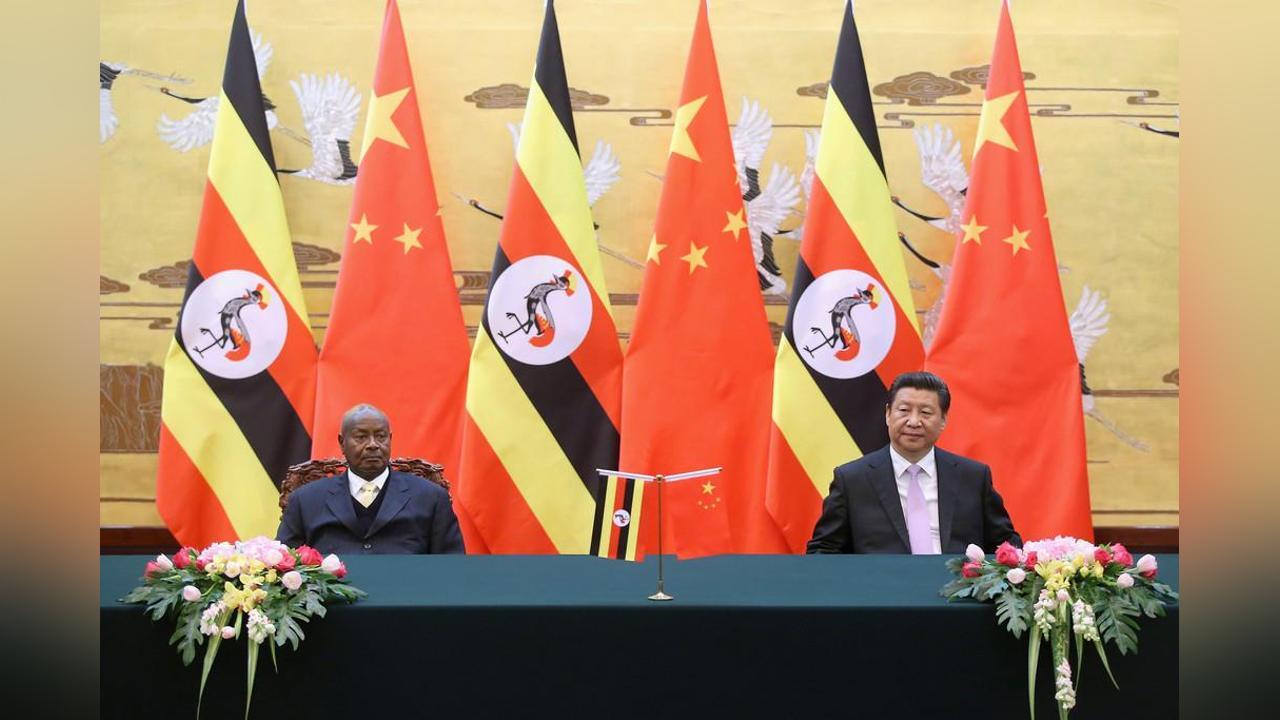
Africa-Press – Uganda. Uganda’s Ministry of Finance revealed on Monday, that the country is in preparations to borrow USD 150 million from China’s Export Import Bank (Exim) and the money will be used to expand its internet infrastructure. If Uganda succeeds in securing this loan it will increase the country’s reliance for credit on Chinese lenders after the World Bank halted all new lending to Uganda earlier this year in protest at a new anti-homosexuality law.
Uganda’s loan suspension
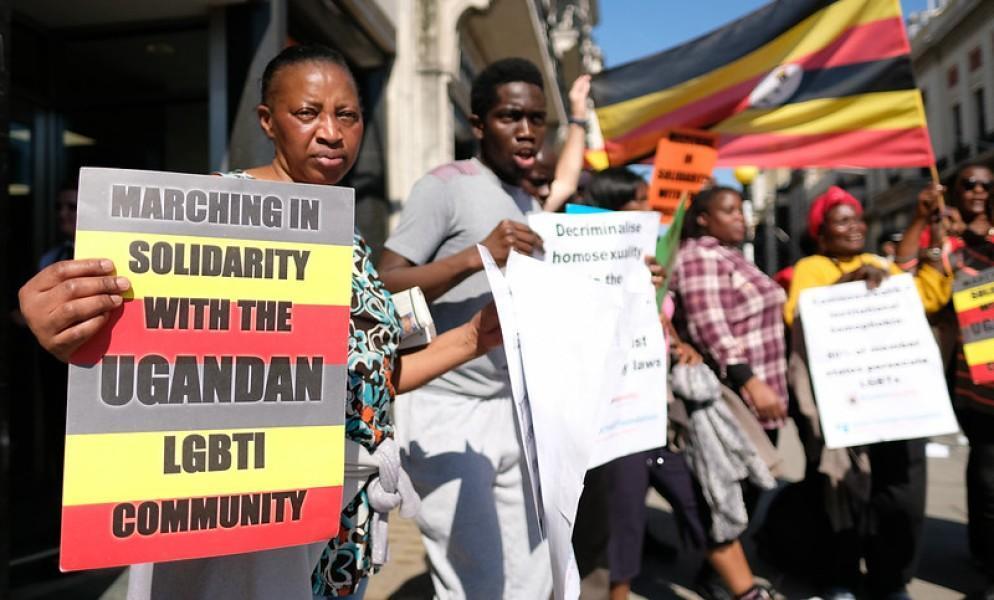
This year, the parliament of Uganda passed the anti-homosexuality bill, this led to the United States-based global lender announcing suspending new loans to the East African country over what is considered among the world’s harshest laws targeting LGBTQ communities. The World Bank stated that Uganda’s Anti-Homosexuality Act fundamentally contradicts the group’s values, and as a result, no new public financing would be presented to its board of executive directors until the effectiveness of additional measures has been assessed. “We believe our vision to eradicate poverty on a liveable planet can only succeed if it includes everyone irrespective of race, gender, or sexuality. This law undermines those efforts. Inclusion and non-discrimination sit at the heart of our work around the world,” the lender said in its statement.
Loan approval request
Uganda’s junior finance minister and the minister for information appealed to the Members of Parliament to authorize the debt, which the finance ministry wrote on X account, the social media platform.
The impact of the World Bank loan ban on Uganda
In October, the Bank of Uganda revealed that the Uganda shilling has remained stagnant since the World Bank announced the suspension of any new requests from Uganda for loans following the passing of the Anti-Homosexuality Act. According to Mr Michael Atingi-Ego Deputy Governor of the Bank of Uganda, the pronouncement by the World Bank regarding new financing had an impact on the exchange rate. The exchange rate depreciated from about 3650 to nearly 3750 (10 US dollars) in a period of two days.
Mr Atingi-Ego further explained that the exchange rate has remained at that level since then, leading to pressures and uncertainties surrounding the currency due to the passing of the Anti-Homosexuality Act. Projects worth USD 1.8 billion approximately shillings 6.7trillion are likely to be affected.
Can Uganda survive without WB loans?
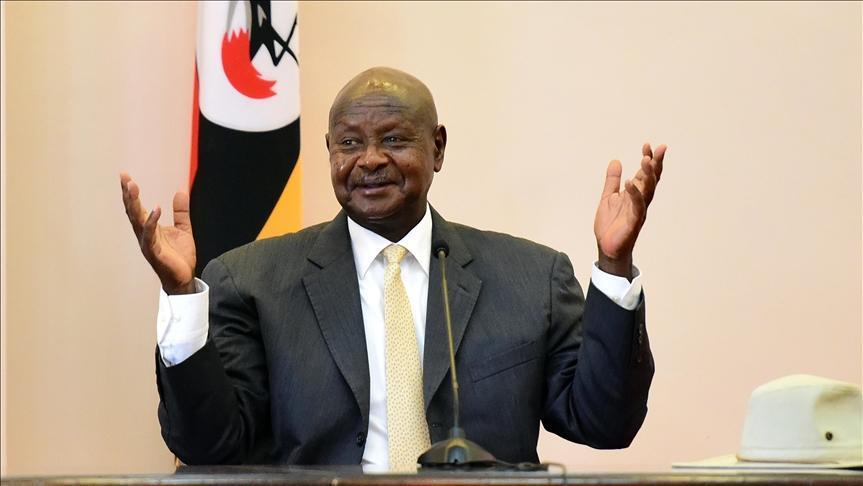
When the World Bank issued the loan suspension statement for Uganda, President Yoweri Kaguta Museven responded by assuring Ugandans that the country will develop with or without loans. He added that if Uganda needed to borrow it could do so from other sources and that oil production expected to start in 2025 would provide additional revenues.
Other Chine’s loans
Uganda is in negotiations with Chinese export credit agency SINOSURE and Exim Bank for a loan to finance the construction of a pipeline to help Uganda export its crude oil to international markets.
Debt alarm
Last year in November the Central Bank of Uganda management issued a statement warning the government of Uganda against looming debt distress as the public debt hits the 80 trillion mark and the 50 percent threshold of GDP. Ugandan economist Machael Antingi-Ego the Deputy Governor of Uganda while appearing before the Parliament’s Finance Committee to explain the high financial inflation revealed that servicing the foreign component of the debt was at 59 percent of the debt (47 trillion) which was dangerously eroding the foreign reserve, that dropped from USD4.54 billion at the end of April 2022 to USD3.65 billion at the end of October. Mr. Antingi-Ego warned Uganda that borrowing more money will cripple the country’s capability to continue serving the foreign debt. He also cautioned the legislators against approving loans that do not spur the growth of the economy.
The governor further warned that the debt service/export ratio is also projected to increase beyond the 20 percent threshold between the financial year 2021-2022 to the financial year 2025-26. According to an economist and Governor Bank of Uganda Mr. Antingi-Ego in FY 2022-23, Ugandan government imports plus foreign debt servicing require about USD1.8 billion, owing partly to the maturity of non-concessional loans.
State of Uganda
According to Human Development Index (HDI) data for 2019, by the United Nations, Uganda’s value is 0.544, ranking at 158 out of 189. which puts the country in the low development category. In Uganda, per capita income is 800 USD, which is extremely low by global standards. The cost of living is well below the global average, indicating massive socio-economic problems. Uganda can expect to experience further increases in its fiscal deficit and public debt that will undermine its economic potential. This challenge is attributed to fiscal complacency, profligacy, and incomprehensive debt sustainability diagnostics that mainly rely on ambiguous concepts such as the net present value of debt. Some economists’ advice to the government of Uganda is to suspend non-concessional external borrowing that has servicing obligations that would commence in less than five years.
For More News And Analysis About Uganda Follow Africa-Press