Africa-Press – Uganda. Members of the Karamoja Professionals’ Association yesterday tabled before the Education Policy Review Commission key recommendations to increase access to education.
The recommendations that were presented to the Commission by the association’s adviser, Mr David Pulkol, a former government chief spy, included provision of free and compulsory education, compulsory boarding schools, increase on the quality and quality of teachers, re-instating State House scholarships for university and tertiary students, and provision of flexible alternative education opportunities.
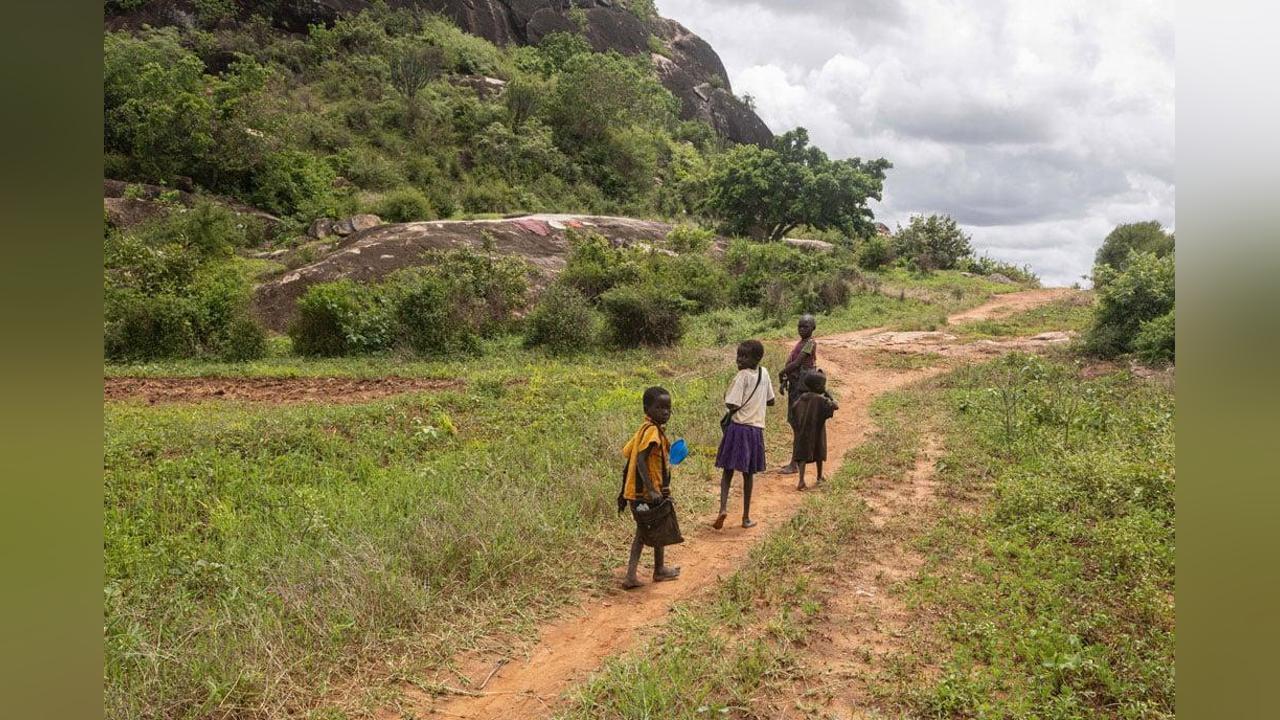
“The greatest resource that Karamoja has are not the minerals, it is not the livestock, but it is our children. Today, Karamoja suffers from low enrollment and transmission rates from primary to secondary education and it is worse from secondary to university. We must re-align the education system to values, lifestyle and culture,” he said.
He also noted that they urgently need to address the challenges of inadequate learning materials, high pupil-teacher ratio, and lack of accommodation for teachers.
Mr Pulkol, who doubles as the Principal Adviser for Operation Wealth Creation (OWC), revealed that more than 70 percent of the population in Karamoja aged 10 years and above have never been to school, the majority of whom are women and girls.
He noted that only 0.9 percent of children aged 6 to 12 years are enrolled in primary schools in Karamoja compared to 25 percent in Central Uganda.
Mr Pulkol announced that Karamoja Professionals’ Association was working with the National Planning Authority to develop a 10-year development plan for Karamoja to steer development.
The chairperson of the Education Policy Review Commission, Mr Amanya Mushega, said if the need arises, the team from Karamoja would be invited back for more discussions so that more people-centred recommendations can be captured.
Mr John Nassasira, a member of the commission, admitted that Karamoja faces multiple challenges some of which have spilled over to Kampala streets (street children).
Mr Robert Lowok Limlim, the KAPA’s patron, said addressing security questions in Karamoja through education is critical for transforming the region.
Transition
Mr Pulkol said it would be easier for the people of Karamoja to transition from nomadism and venture into agro-business, tourism, and mining among other sectors when they are well educated. He added that currently, the sub-region has 24 lawyers, two actuarial scientists, 24 veterinary doctors, 45 medical doctors, and 38 engineers.
Source: Monitor
For More News And Analysis About Uganda Follow Africa-Press