Faridah N Kulumba
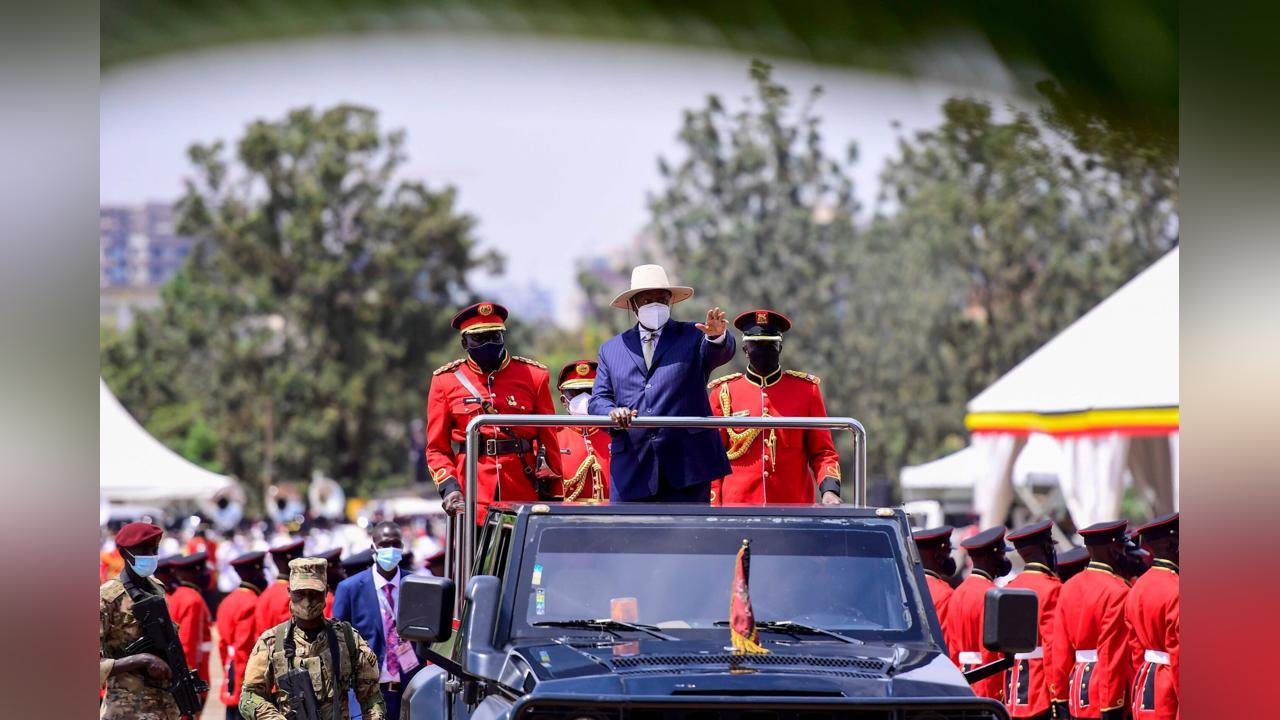
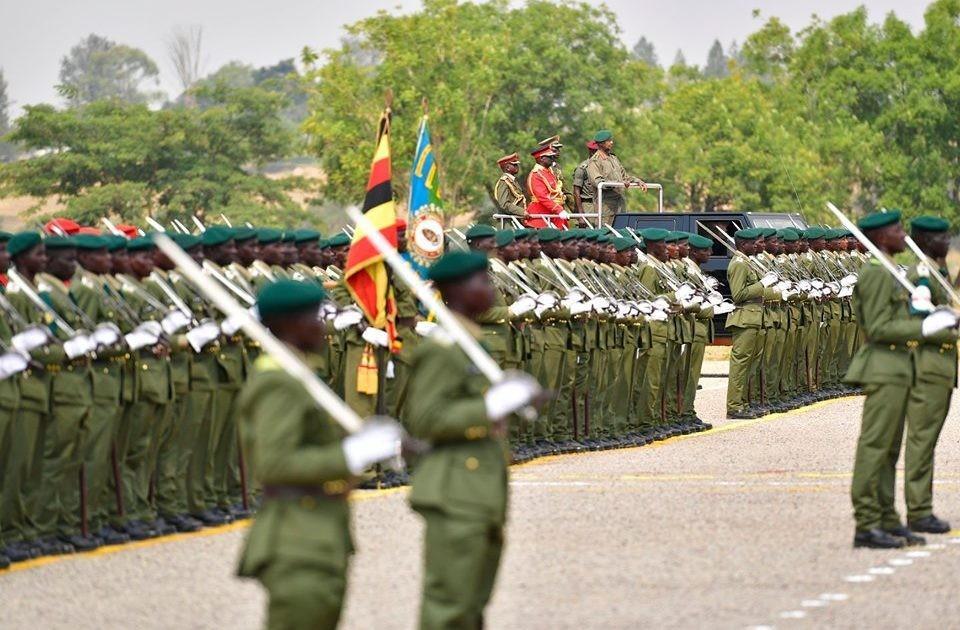
Africa-Press – Uganda. On 15th January of this year, the 19th Summit of the Non-Aligned Movement (NAM) that was organised by the government of Uganda kicked off in Kampala, the capital of the country. The Summit was attended by Heads of State and Government leaders who came from different member countries across the world. The attendees included 1,918 delegates from 129 Countries, 16 presidents, nine Vice Presidents, 16 Prime Ministers and seven special categories, among other guests who came into Uganda by Airlines and 32 private jets during the just concluded NAM and G77 plus China summits.
Superpower prophecy
On the 25th evening, the president of Uganda Yoweri Kaguta Museveni who has been in power since 1986 addressed the nation ahead of the 38th National Resistance Army/Movement (NRA/M) victory anniversary, he commended Ugandans for their hospitality towards the delegates who attended the NAM and G77 Conference. Museveni shared that a Russian delegate, a deputy minister, had informed him that only superpowers could successfully organize such conferences. Museveni also expressed confidence in Uganda’s future as a significant global power. The Summit was one of the biggest global meetings the government of Uganda has hosted after the Commonwealth Heads of State and Government Meeting in 2007, addressing pressing global issues aimed at fostering cooperation among member states.
Foundation
President Museveni asserted that there is no task beyond Uganda’s capabilities, emphasising that it is merely a matter of prioritization. While acknowledging that Uganda is still on the path to achieving superpower status, Museveni asserted that the foundation for this achievement has already been laid. “These countries have 6.6 billion people (80 per cent) of the human race. In addition to the immense gathering, let us recognize the infrastructure we have developed, partly for this occasion but also to improve our country’s overall infrastructure some of them built in one year. Look at the new Terminal built by the Uganda Peoples Defence Force (UPDF) Engineering Brigade and the Conference Centre built by Sudhir’s company using government’s money,” Museveni said.
About NAM and Chairmanship
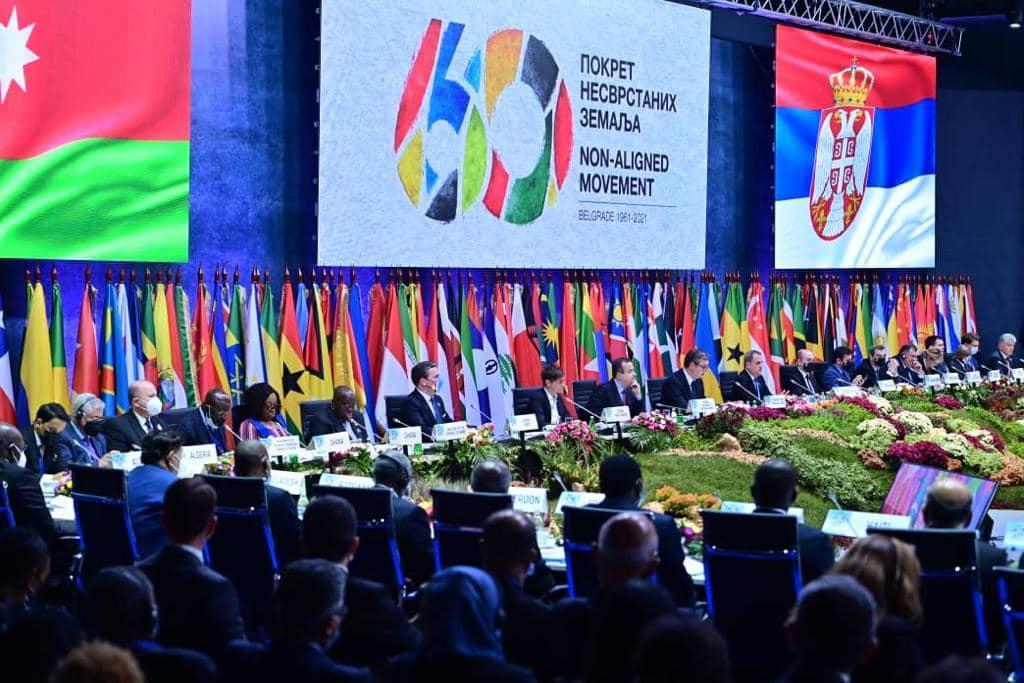
During the Summit, President Museveni was elected by acclamation as the new Chairman of the Non-Aligned Movement for a three-year term from 2024 to 2027. Uganda took over the Chairmanship from Azerbaijan, which has steered NAM since 2019 the COVID-19 pandemic.NAM which is the second-largest group of countries after the United Nations, was founded in 1961 at the height of the Cold War between the West and East. But, unlike other regional and international organizations, it neither has a formal founding Charter, Act, or Treaty, nor a permanent secretariat. The country holding the rotational chairmanship is responsible for coordinating and managing the affairs of the Movement. NAM membership consists of 120 countries — 53 from Africa, 39 from Asia, 26 from Latin America and the Caribbean, and two from Europe. It also includes the non-UN member state of Palestine, 17 other observer countries and 10 observer organizations.
Aims
According to the new NAM chairperson, members should emphasize the importance of NAM’ s collective strength in securing a brighter future and safeguarding the freedoms and rights of developing nations. They should also renew focus on priorities that benefit these countries, such as unity, solidarity, and the promotion of their interests on the global stage. The Non-Aligned Movement’s strength should be harnessed to exert significant influence, particularly at the United Nations, to drive effective and transformative processes for a better future, NAM’s new Chairperson noted. The negotiations for the Pact of the Future – the outcome document of the upcoming UN Summit of the Future in September 2024 – must clearly define priorities that favour developing countries by upholding unity, solidarity, and collective coordination among member states. The 19th Summit of NAM was dominated by the raging war in Gaza. During the two-day Summit, most of the Heads of State and Government devoted much of their statement to the current siege of the Gaza Strip by Israel and its attendant humanitarian consequences. NAM members called for an immediate humanitarian ceasefire on the siege of Gaza, reiterated the need for the initiation of processes leading to the creation of a Palestinian State with East Jerusalem as its capital and affirmed the support for the State of Palestine to become a member of the United Nations. The singular act of the Government of South Africa to haul Israel to the International Court of Justice seeking to declare Israel’s military campaign in Gaza as genocide received a lot of commendation and praise from member states.
Superpower hopes through the economy
According to President Museveni,the size of the Ugandan economy will grow from UShs. 184.3 trillion financial year 2022/23 to UShs 204.9 trillion (USD 55 billion) by the end of 2023/24 and then leap to UShs. 225.5 trillion in the financial year 2024/25 (equivalent to USD 60 billion). The growth will be driven by higher output in the services, industries, and agriculture sectors of the economy. The fundamental characteristic that is consistent with all definitions of a superpower is a nation or state that has mastered the seven dimensions of state power, namely geography, population, economy, resources, military, diplomacy, and national identity.
For More News And Analysis About Uganda Follow Africa-Press