Faridah N Kulumba
Africa-Press – Uganda. Uganda and three other East African countries were retained on the ‘grey’ list by the financial crime watchdog, Financial Action Task Force (FATF) in its latest review of countries’ commitment to fighting money laundering, terrorist financing, and arms proliferation financing. Other countries maintained by FATF on its list of jurisdictions under increased monitoring noting glaring weaknesses in their measures to combat money laundering, terrorist financing, and proliferation financing including Tanzania, the Democratic Republic of Congo (DRC), and South Sudan.
The beginning
In February 2020, Uganda was placed on the FATF watch list and subsequently on the European Union money laundering watch list, which raised concern, with many Ugandans fearing how being placed on the grey list reflects on the economy that has been affected so much by Covid-19 pandemic. After Uganda was placed on the grey list, a set of conditions were set by the FATF for Uganda to exit the list. The Financial Intelligence Authority (FIA) intensified its efforts to fulfil the conditions. When Uganda was assessed in 2016, several issues were identified and a review in 2020 found that some issues were still not addressed. There were 22 particular action items. These were to be addressed by January, but the deadline was pushed back by four months due to the COVID-19 pandemic disruptions.
Conditions
FATF stated on its website that the calls on these jurisdictions to complete their action plan expeditiously and within the agreed timeframe. FATF said that they welcome the four countries’ commitment and will closely monitor their progress. They added that they do not call for the application of enhanced due diligence measures to be applied to these jurisdictions. Last year the FIA shared an update on how far Uganda has gone in fulfilling some of the requirements that were set by the FIA.
Ugandan effort to exit the grey list
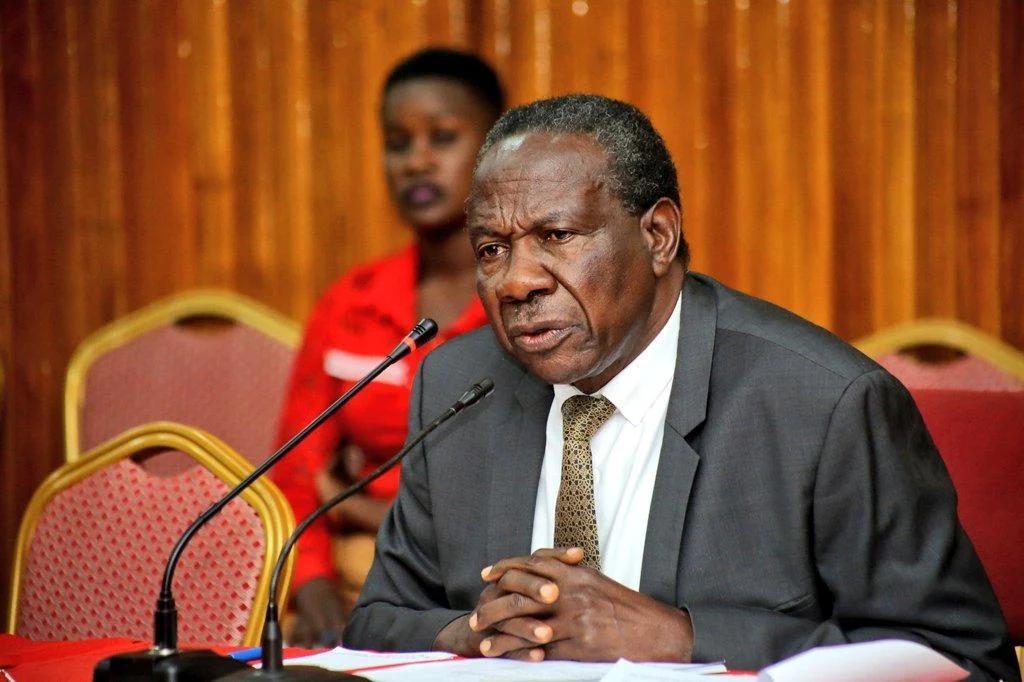
In 2022, Matia Kasaija the minister of Finance, Planning, and Economic Development, spearheaded a direct line of communication between Uganda and FATF in a bid to liaise with the body to come up with strategies to help Uganda have a solution to remove them from the grey list. One of the proposed strategies included the creation of a task force, whose role was to advise the minister on policy and operational matters in trying to fight money laundering in Uganda.
Money laundering
Money laundering is the act of concealing, disguising, converting, transferring, or removing criminal property and making it appear to have incomes from a clean source. Money referred to as “dirty money” because it is from criminal activities is cleaned through a process of investing it into business activities deemed legitimate. Money laundering effects. Money laundering damages financial sector institutions critical for economic growth by promoting crime and corruption, thereby slowing growth and reducing efficiency in various sectors. Money laundering can also prevent investors from starting businesses in the listed country which leads to slowing foreign inflows.
Effect of being on the grey list
Uganda being on the grey list should be a major concern for several reasons. Firstly, in essence, transactions originating from Uganda or made through Uganda’s financial system including cash are subjected to more scrutiny by the international systems. This results in delays in concluding business transactions increasing turnaround time and transaction cost. Secondly, Uganda risks being expunged from the Society for Worldwide Interbank Financial Telecommunication (SWIFT), an undesirable situation that can plunge the economy. Thirdly, given that major financial institutions like the International Monetary Fund (IMF) and World Bank are affiliated with FATF as observers, Uganda risks facing complications in accessing international lending instruments. Even when there are no economic sanctions imposed, the due diligence required before Uganda can access loans from major financial institutions makes such loans unpalatable with tighter conditions.
About FATF
FATF is an intergovernmental policy-making body that determines Anti-Money-Laundering (AML) and Countering the Financing of Terrorism (CFT) standards to safeguard the global financial system. It is based in Paris and was created in 1989 at the behest of the G7 political forum to combat money laundering.
How the four countries were reviewed
According to the FATF statement, the government of Uganda made a high-level political commitment to strengthening the effectiveness of its Anti-Money Laundering and Combating the Financing of Terrorism (AML/CFT) regime in 2020. Despite these, the FATF noted that there are still many weaknesses in the country’s measures to combat money laundering. FATF says that the government of Tanzania made a high-level political commitment to work with them and the Eastern and Southern Africa Anti-Money Laundering Group (ESAAMLG) to strengthen the effectiveness of its AML/CFT regime in October 2022. When it came to South Sudan FATF noted that the country made limited progress across its action plan with all deadlines expired already and work remaining. According to FATF South Sudan made progress in strengthening the effectiveness of its AML/CFT regime since June 2021 but glaring deficiencies remain including operationalizing a fully functioning and independent Financial Intelligence Unit (FIU). FATF said that the DR Congo has taken steps to strengthen the effectiveness of its AML/CFT regime since October 2022 including finalizing the national risk assessment and providing more resources to the FIU. When the FATF places a jurisdiction under increased monitoring it means that the country has committed to resolve quickly the identified strategic deficiencies within agreed timeframes and is subjected to increased monitoring.
For More News And Analysis About Uganda Follow Africa-Press