Africa-Press – Uganda. Youth leaders from across political divide in the Lango Sub-region have described the Shs3m fee parliamentary aspirants are required to pay, saying it’s prohibitive.
The nomination fee was increased from Shs200,000 to Shs3m during the amendment of the Parliamentary Elections Act in 2015.
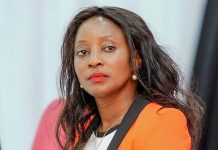
Ms Zalikah Mutesi, the vice chairperson of the Forum for Democratic Change (FDC) national youth league, said the fee is on the higher side, which bars the majority of the youth from participating in elective politics.
“We want to make sure youth are not denied the chance to actively participate in elections because they don’t have money to fund their nominations,” Ms Mutesi said on Tuesday in Lira City.
Mr Godfrey Okwi, the Uganda Peoples Congress (UPC) assistant national youth leader, said since 2016, leaders of nine major Ugandan political parties have been to court challenging the nomination fees for all candidates across the board.
“We have been to court and we want to challenge the government to look at our issues as young people and take them seriously because in most cases they have ignored us,” he said.
However, to date, the court is yet to make a pronouncement on the matter.
“When the defendant (Attorney General) was called to appear in court, he did not show up. For the second and third time, no government representative appeared in court. The case has lost value,” Mr Okwi said.
Youth leaders are now appealing to government to listen to the views.
“This is because as long as the nomination fees are still high, then we are barring young people from participating in politics because with the current economic situation, young people cannot access up to a tune of Shs3m to run for any parliamentary seat,” the UPC assistant national youth leader explained.
He added: “We are also saying if I have been nominated and I have not gone through, let the Electoral Commission reimburse my nomination fee.”
EC view
The Electoral Commission maintains it is Parliament that established the fee.
Mr Dan Isimbwa, the UPC national youth leader, said apart from financial constraints, young people are faced with a challenge of capacity building.
Mr Moses Egunyu, a programme manager at the International Republican Institute (IRI), an NGO that advances democracy worldwide, said there are cross-cutting issues that affect young in politics.
“There are those issues that affect them whether they are in the National Resistance Movement (NRM) or UPC or FDC, CP, JEEMA, name it. As such, there is a need to create a platform where they can come together to peacefully dialogue and find common solutions in political parties,” he said.
IRI also hosts the Interparty Youth Platform (IYOP), a cooperation framework of youth league leaders of nine political parties in Uganda.
For More News And Analysis About Uganda Follow Africa-Press