Africa-Press – Zambia. _By Michael Zephaniah Phiri Political Activist_
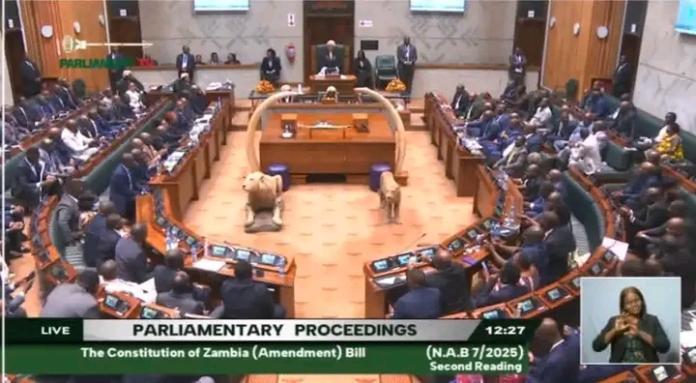
The passage of Bill 7 in Parliament has left many Zambians angry, confused, and discouraged. With reports of a unanimous vote in its favour, some citizens are asking a painful but important question: Is this the end of the road?
The answer is no. The fight for constitutionalism is far from over.
Parliament Is Not Above the Constitution
While Parliament has the authority to pass laws, it does not have the power to override the Constitution. Zambia’s Constitution is the supreme law of the land. Any law no matter how popular it may appear in Parliament that violates constitutional principles can be challenged and overturned.
A large number of MPs voting in favour of a Bill does not automatically make it lawful, just, or legitimate.
*What the Third Reading Means—and What It Does Not*
The third reading marks the final parliamentary stage of a Bill. It means that MPs have concluded debate and passed the Bill.
However, it does *not* mean:
•. The Constitution has been lawfully amended beyond challenge
•. Citizens have lost their right to object
•. Courts are powerless to intervene
The legislative process ends in Parliament, but constitutional scrutiny does not.
*Presidential Assent Is Not the Final Word*
Once Bill 7 is assented to by the President and published in the Government Gazette, it becomes law. But even then, the story does not end.
Presidential assent does not cure constitutional defects. Courts have the authority to review laws after assent and can declare them unconstitutional if due process was violated or if the substance of the law undermines the Constitution.
*Citizens Still Have a Right to Challenge Bill 7*
The Constitution allows any *citizen, civil society organisation, or political party* to approach the Constitutional Court. Challenges may be based on:
• Lack of adequate public participation
• Procedural irregularities in amending the Constitution
• Provisions that weaken democratic safeguards
• Excessive concentration of power
If the court finds merit, it can declare the law null and void, regardless of how Parliament voted.
*Unanimous Vote Does Not Equal Public Consent*
A unanimous parliamentary vote does not reflect national consensus. True constitutional reform requires:
•. Broad and genuine public consultation
• Inclusion of diverse views
• Respect for dissent
When citizens overwhelmingly reject a proposal and their voices are ignored, legitimacy is lost even if parliamentary numbers appear impressive.
*The Power of the People Has Not Been Taken Away*
Citizens still hold power through:
• The courts
• Civic engagement and advocacy
• Public education and dialogue
• The ballot box
Democracy does not end when Parliament votes. It continues in the courts, in communities, and in elections.
*A Lesson from History*
Across Africa, many constitutions have been weakened not through coups, but through legal processes that ignored the will of the people. That is why vigilance matters.
The Constitution was not made for politicians it was made to protect citizens from abuse of power.
In conclusion, Bill 7 may have passed through Parliament, but it has not passed the test of constitutional legitimacy. The fight is no longer only in Parliament it is now in the courts, in public conscience, and ultimately in the hands of the people.
The Constitution remains *alive as long as citizens defend it.*
For More News And Analysis About Zambia Follow Africa-Press