Africa-Press – Angola. The acquisition, by 19 commercial banks, of an amount of 300 million dollars, made available for sale to the market by the National Treasury, was highlighted in the news on Economic Desk, in the week that ended today, Saturday.
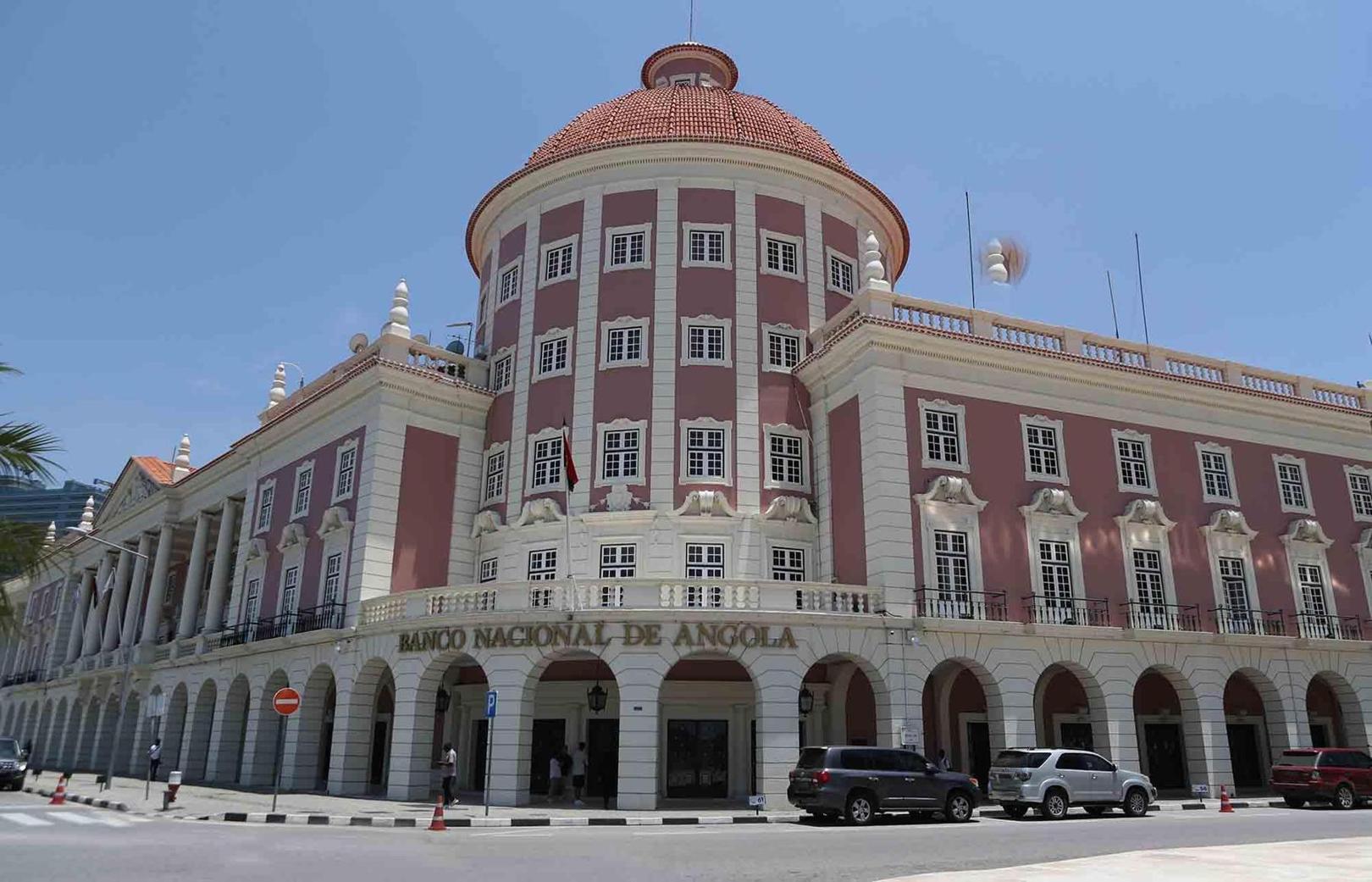
According to a note made available on the National Bank of Angola (BNA) website, without mentioning names, it says that the amount was acquired in full by commercial banks in the currency sales session (on the Bloomberg Platform) that took place on Wednesday, 14, and the operations in question were carried out at the exchange rate of USD/AOA (kwanzas) 828.261.
BNA data shows that Angola recorded an increase of more than 200 million US dollars in the availability of foreign currency in January, rising from USD 600 million/month to 836 million dollars.
Another highlight concerns the news about inflation in Angola, measured by the National Consumer Price Index (IPCN), which registered a variation of 2.49% from December 2023 to January 2024, with an acceleration in the variation current rate of 1.66%, year-on-year (January 2023 to January 2024).
The Quick Information Sheet (FIR) of the National Consumer Price Index (IPCN) of the National Statistics Institute (INE) says that, comparing monthly variations (December 2023 to January 2024), there was an acceleration of 0.07 %.
INE highlights that the provinces that recorded the lowest price variation were Moxico with 1.47%, Lunda Norte with 1.53% and Benguela with 1.58%, while the provinces that registered the highest price variation were Luanda with 3. 40%, Huíla with 2.04% and Namibe with 1.99%.
It was also highlighted that the Agrarian Development Support Fund (FADA) approved, until December 31, 2023, two thousand and 371 credit requests, corresponding to more than nineteen thousand and 221 million kwanzas.
When speaking at the delivery of agricultural mechanization kits to cooperatives in the province of Benguela, the President of the FADA Board of Directors, Felisbela Francisco, stated that, of these credits, 1,914 have already received financing.
In total, just over 14 thousand and 530 million Kwanzas have already been disbursed.
In the same vein, in Cuando Cubango the highlight was more than six billion Kwanzas invested by the Government in supporting small, micro and medium-sized companies in the province, from 2020 to the present date, with a focus on the development of economic projects.
The aforementioned amount allowed the financing of 358 projects in the areas of agriculture, agro-industry, livestock, fisheries, among other services, through the various credit lines available, namely notice 10 of the National Bank of Angola, the Economic Relief, the Program Credit Support Fund (PAC) and the Agrarian Development Support Fund (FADA).
The Economic Desk also mentioned that 47 billion kwanzas was the cost of the modernization and restructuring works at the Luvo Border Post, municipality of Mbanza Kongo, province of Zaire.
This project, under the supervision of the General Tax Administration (AGT), was launched on Thursday, 15th, by the provincial governor, Adriano Mendes de Carvalho.
It will occupy an area of 21 hectares and will be completed in 20 months, by the construction company Mota-Engil-Angola.
The infrastructure will have several buildings to accommodate different state bodies, including the Angolan Border Guard Police (PGFA), Migration and Foreigners Service (SME) and AGT.
The statements by the Secretary of State for Finance and Treasury, Ottoniel dos Santos, that Angola’s participation in the 11th edition of the World Government Summit, which took place in Dubai, United Arab Emirates, was fruitful, also merited this week.
The presence of Angola, at the event whose motto was “Shaping the Governments of the future”, according to the Angolan official was positive because it allowed the ideas of multilateral institutions at the summit to be assessed and the financing opportunities available.
The Secretary of State emphasized the intervention of the president of the New Development Bank (NBD), the former president of Brazil, Dilma Rousseff, who stated that the BRICS – a group formed by Brazil, Russia, India, China, South Africa, Saudi Saudi, Egypt, United Arab Emirates, Ethiopia and Iran – already represents 31.5% of global GDP (Gross Domestic Product).
In another prominent article, the Angolan ambassador to Italy, Fátima Jardim, expressed, in Rome, the country’s commitment to continue working with the International Fund for Agricultural Development (IFAD), in search of necessary changes to eliminate poverty.
IFAD, created in 1977 to respond to the drought and famine that have been affecting Africa and Asia over time, works in more remote regions of developing countries and in fragile situations, where few international financial institutions act.
It also focused on the week that the National Petroleum, Gas and Biofuels Agency (ANPG) and the Financial Information Unit (UIF) signed, in Luanda, a cooperation protocol that establishes mechanisms and requirements to further reinforce the exchange of financial information on the oil sector in the country.
According to a note from ANPG, the protocol will encourage good practices and obedience to the legal assumptions in force in Angola to combat money laundering, corruption and trafficking in weapons of mass destruction.
The agreement also aims to reinforce the organizational culture of the national concessionaire, giving importance to the collaboration and alignment of national and international entities, with a view to improving control and transparency mechanisms in the oil sector.
The Economic Desk also highlighted statements by the director of the Legal Office of the Angolan Insurance Regulation and Supervision Agency (ARSEG), Aldemiro Gonçalves, that the insurance penetration rate in the national market is below one percent of the Gross Domestic Product ( GDP).
The official, who was speaking to the press, on the sidelines of the seminar on “Insurance and Pension Fund”, addressed to deputies, considered the insurance figure in Angola to be low, a paradigm that could see changes with the ongoing reforms in the sector.
“It’s a challenge. Reform in the sector comes to generate results, making it easier for people to participate in the market”, she reinforced.
From now on, he said, ARSEG wants to ensure that if someone has insurance and, by chance, an accident occurs, the insurer must compensate, as soon as possible, making the Angolan citizen feel that the insurance actually exists.”
angop
For More News And Analysis About Angola Follow Africa-Press