Africa-Press – Angola. Angola benefits from the European Union, through the instrument of Development Cooperation and International Cooperation (Global Europe Instrument), from financing of 275 million euros, of the 80 billion allocated for cooperation with third countries.
The amount destined for Angola must be implemented between 2021 and 2024 in actions that focus on economic diversification, governance and human capital development, themes that, according to the European Union ambassador to Angola, Jeannette Seppen, are all closely related to the Goals of Sustainable Development (SDG) and with financial inclusion.
“But the European Union’s commitment to the SDGs and financial inclusion does not start today – the European Union is already contributing to boosting financial inclusion, with projects that stimulate the understanding and participation of financial institutions in the economic cycle” , noted Jeannette Seppen.
As an example, the diplomat mentioned the Support Project for Access to Financing, called Envolver, which contributes to capacity building and training for access to credit aimed at micro, small and medium-sized entrepreneurs and promotes financial literacy.
Led by the Ministry of Economy and Planning and implemented by INAPEM (National Institute for Support to Micro, Small and Medium Enterprises) in collaboration with the Portuguese Agency for Competitiveness and Innovation, the Involver project opens doors for entrepreneurs to understand what kind of solutions are offered by the financial sector to the Angolan economy, to create greater ease of technical interaction between lenders and entrepreneurs and consequent promotion of a diversity in the offer of services and commercial solutions and exponentially expanding financial inclusion.
Encouraged by the desire to contribute to the response to the high rate of informality in Angola, which is around 75.36 percent, on average, and which is even higher among women and young people aged between 15 and 24, the European Union also supports the efforts made by the Angolan government to formalize the economy and diversify through various initiatives, noted Jeannette Seppen.
According to the ambassador, the European Union has already provided and is working on the preparation of a larger follow-up, of budget support directly to the General State Budget, to contribute to the realization of the Informal Economy Reconversion Program, which aims, among its objectives, promote the financial inclusion of formalized agents, through the use of Mobile Money, the facilitation of access to bank accounts, support for the creation of micro and small companies and access to micro-credits.
In this respect, financial inclusion is of fundamental importance in the development and sustainability of an entrepreneurial project. In the Informal Economy, this is even more acute, as informal microenterprises do not benefit from the recognition and strength needed to finance themselves in the traditional financial market.
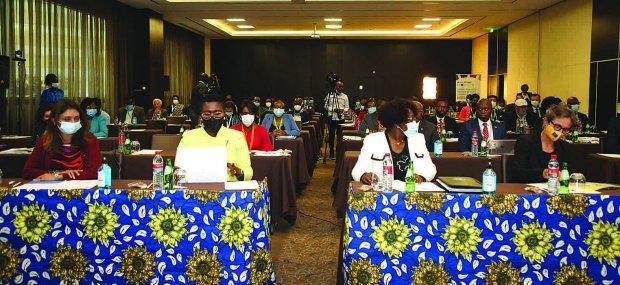
“I do not want to end my speech without recognizing the leadership shown by the Government of Angola, with a strong desire to promote financial inclusion”, said Jeannette Seppen, when she indicated that, “for this to happen, it is necessary that all of us, partners international and Angolans, all interested parties from the public and private sector, unite in a common effort to promote this inclusion, among informal operators”. International experience also shows that it is essential to include financial inclusion in the social policies present in Angola’s human development strategy. “Only through integrated cooperation, which ensures the necessary synergies between the different tools and different mechanisms available, will it be possible to achieve the SDGs”, she concluded.
For More News And Analysis About Angola Follow Africa-Press