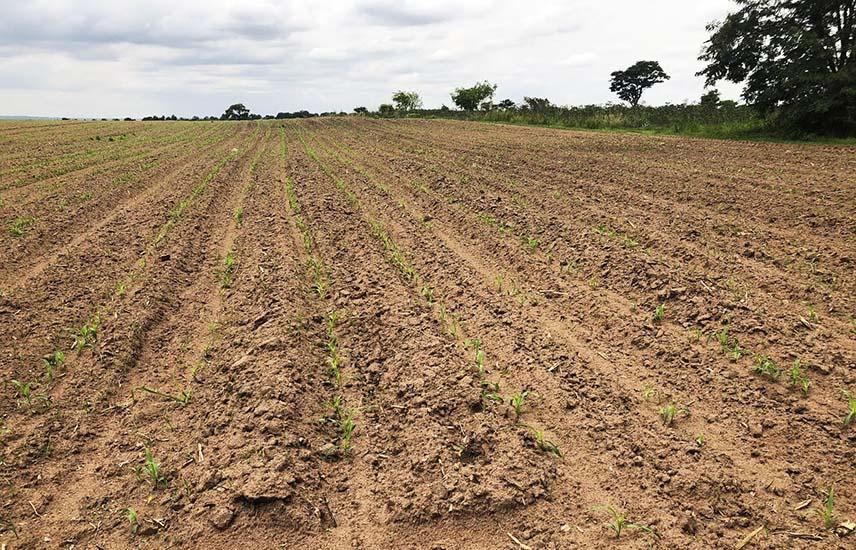
Africa-Press – Angola. Angola exploits only 331 thousand 285 kilometers (10.37%) of the three million 194 thousand 395 kilometers of cultivable area, indicates the final report of the Census of Agriculture, Livestock and Fisheries (RAPP).
The report, the first post-independence, presented this Tuesday, in Luanda, by the National Institute of Statistics (INE), identifies the existence of more than three million peasants across the country and the provinces of Uíge and Zaire with the soils Richer.
The same was presented in three modules, namely, “agricultural, livestock and family fishing explorations”, “community exploration” and “agricultural, fishing and aquaculture business explorations”.
Community results and village census
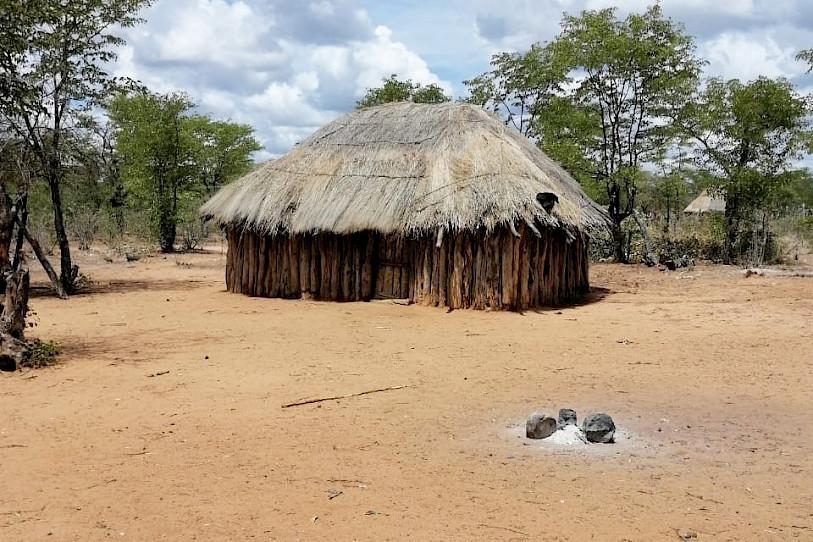
In this module, data were collected between 2019 and 2020, and two million 364 thousand and 880 citizens were surveyed, with families from Malanje, Cabinda, Bié, Huambo standing out in agricultural exploration. In Cuando Cubango, fewer families cultivate.
In the data collection process, the families that practice agricultural, livestock and fishing activities in the 23 thousand 651 villages surveyed, the cultivation of maize stands out, followed by cassava, sweet potatoes and beans.
Results of family farming and fishing operations
In the field of livestock farming, in the 20 villages studied, a million 430 thousand 606 breeders were identified, with chicken production leading the livestock sector, followed by goats, pigs, cattle and sheep.
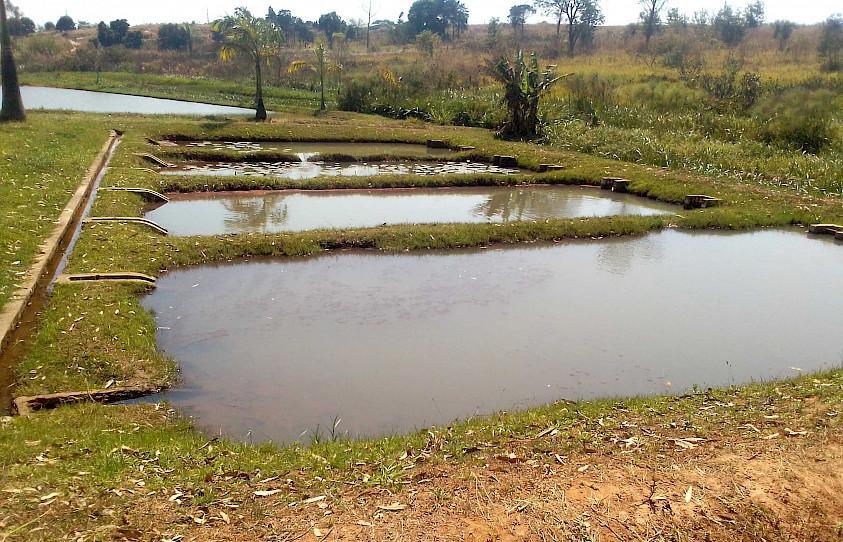
In the aquaculture activity, 8,263 explorers were identified who produce mainly in excavated tanks (91%) and ponds, with predominance in the production of native tilapia and catfish.
Results of business farming, fishing and aquaculture operations
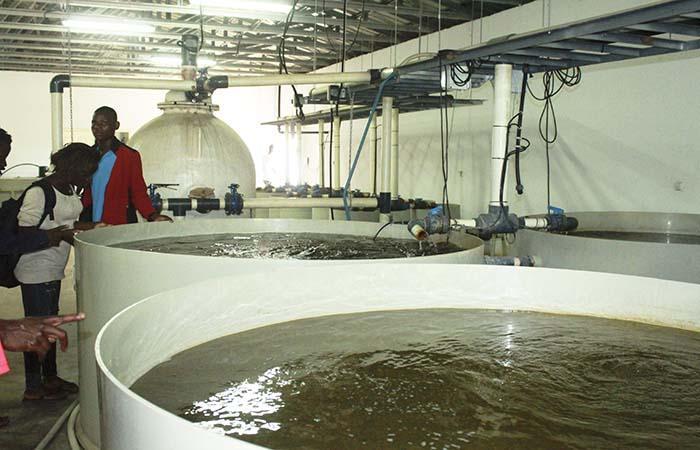
Regarding agricultural, fishing and aquaculture business operations, the RAPP report identifies 5,887 businessmen based, for the most part, in Benguela and Huambo, but the province of Cuanza Sul has the highest average per hectare, 540 ha of exploration.
Here, the data indicate that the male gender dominates with ages between 54 and 64 years old, in which nationals own 98% of the country’s agricultural and livestock companies.
With regard to access to credit, the RAPP found, in 2021, that 3.6% of entrepreneurs had access to credit and about 37% obtained technical assistance.
At the event, the Secretary of State for the Economy, Ivan dos Santos, considered the RAPP as a fundamental instrument to support the diversification of the national economy.
The Agricultural, Livestock and Fisheries census, called RAPP 2019-202, is the first to be carried out in Angola after independence, with the aim of updating the agricultural, livestock and fisheries statistical information system, to support policies, plans and programs under development in the country.
Co-organized by the ministries of Economy and Planning and of Agriculture and Forestry, the census was supported by the World Bank (WB) in technical assistance, valued at US$60,000, as well as the Food and Agriculture Organization of the United Nations ( FAO).
For More News And Analysis About Angola Follow Africa-Press