Africa-Press – Angola. At least 80 percent of African workers are in the informal economy and 29 are considered “poor”, with incomes below US$2.15/day, according to data from the International Labor Organization (ILO), revealed Wednesday fair, in Lubango, Huíla (Angola), by the institution.
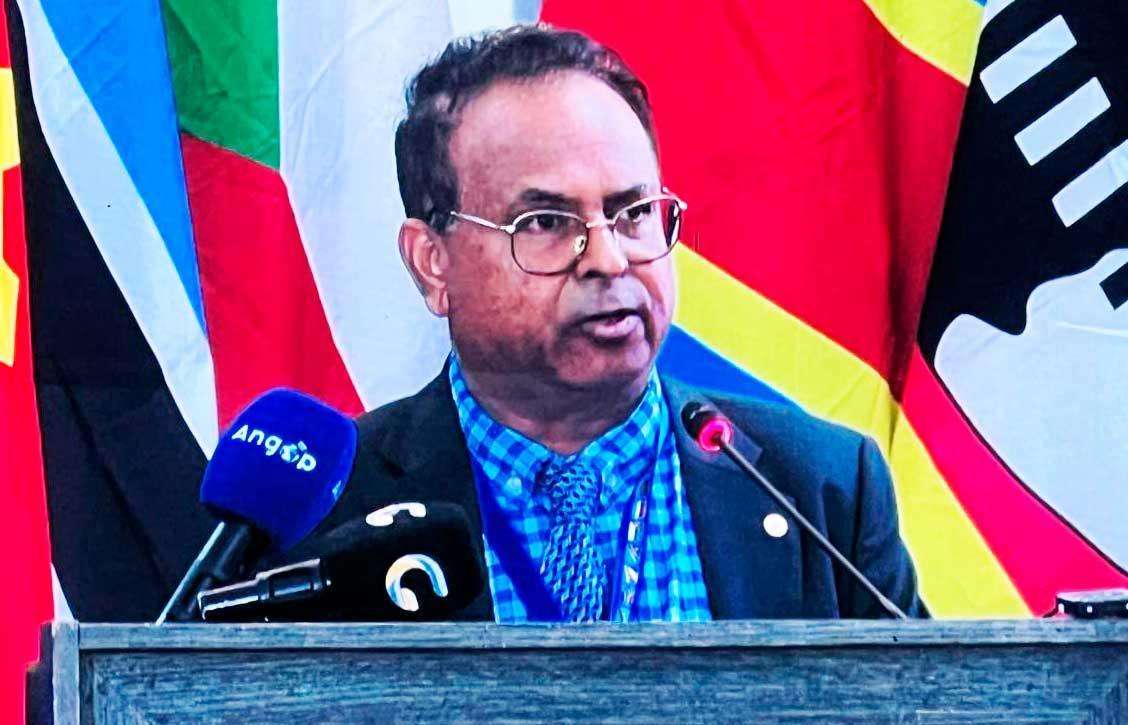
The data was presented by the interim director of the ILO’s Decent Work Agenda team for Eastern and Southern Africa, Dan Cunniah, at the Meeting of Ministers of Employment and Labor of the Southern African Development Community (SADC) and Social Partners.
The source stated that estimates indicate that African economic growth will be 3.8 percent and in 2024, the projection was 1.4, however, despite this “modest” economic development, structural deficiencies continue to exist and impact job creation.
The ILO states that figures for 2024 indicate that 75.8 million young people are neither working nor in training, which is equivalent to 26.6 million young people on the continent.
He highlighted that social protection coverage is “very” low, with disparities, both between countries and between age groups, that is, States continue to struggle with problems of labor migration, economic disparities, political instability that force the movement of the workforce and irregular emigration, as well as human trafficking and labor exploitation.
He encouraged SADC Member States to request support, with a view to analyzing their respective labor markets and using this data in implemented policies.
To improve the lives of various groups of people, said the official, it is important to capture information about various age groups, compare the situation with the national population and work to change the lives of vulnerable people in the job market and the population in general.
He praised the progress made, however, there is still room for improvement and the ILO is committed to working with States to help them measure the progress made and achieve decent work.
He also encouraged Member States to ensure that budgetary allocations and resource mobilization are aligned with ministerial decisions, so that priorities are given and thus achieve results in terms of decent work.
Dan Cunniah said that to promote economic growth in SADC, institutions such as independent unions and organizations that represent the business community must act, not only as watchdogs, but in denouncing the rules, above all, violations of the rights to work and human rights.
For More News And Analysis About Angola Follow Africa-Press