By Maurício Sequesseque Mangala
Africa-Press – Angola. “Homeland or death, we will win” was the most resounding slogan among the Angolan troops who fought heroically in the long Battle of Cuito Cuanavale, faced with a better equipped and more sophisticated enemy.
The multiple advantages of the opposing camp, especially in terms of resources and technology, were not enough to prevent the final victory of the Angolans, precisely 36 years ago.
In other words, without sufficient military resources, the Angolans, imbued with the spirit of love for their country, defense of national sovereignty and preservation of their moral integrity, managed to defeat the South African Army of the apartheid regime, one of the most fearsome in the world and of Africa in the 80s.
Once again, the bravery and determination of the Angolan people in defending their territorial integrity was confirmed.
According to the testimony of several soldiers who participated in the Battle, one of the most important things to achieve victory in a war is, above all, the morale of the personnel, because “it is not enough to have powerful and modern weapons”.
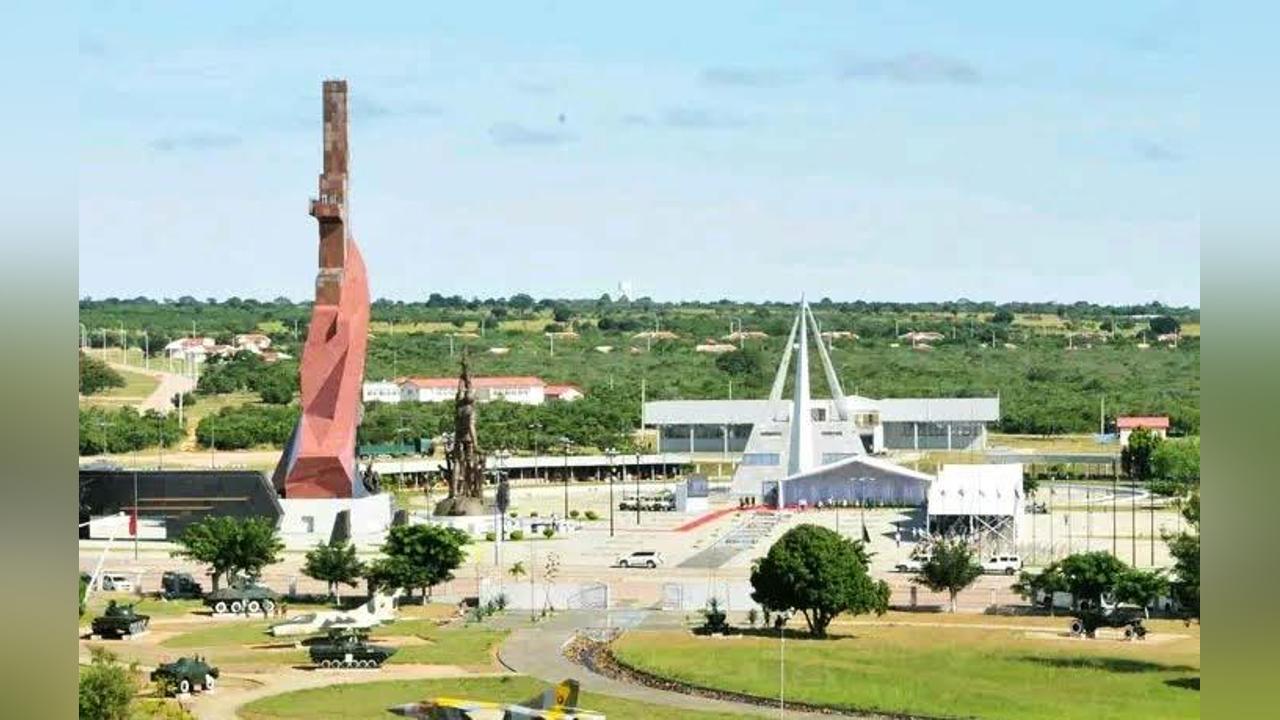
In the famous Battle of Cuito Cuanavale, which took place in the province of Cuando Cubango, between November 1987 and March 1988, all scientific-based prognoses pointed to a quick and resounding victory for the South African Army.
In the event of victory, the latter is attributed with intentions to expand the regime of racial segregation, apartheid, beyond the territorial borders of South Africa.
The invasion and capture of Cuito Cuanavale, in the south of Angola, would be the most assertive measure to achieve this intention, which would ultimately not happen thanks to the resistance put up by fearless Angolan fighters, supported by Cuban internationalists sent by Fidel Castro.
In addition to their patriotism and motivational strength, the Angolan troops also had in their favor the geographical and cartographic conditions of the theater of operations.
One people, one nation
All Angolans from Cabinda to Cunene and from Lobito to Luau, some known and others anonymous, were represented in the fight, in a true allusion and fulfillment of the principle of national unity defended by the first President, António Agostinho Neto.
The motto that “From Cabinda to Cunene, one people and one nation” is part of Agostino Neto’s vast legacy.
Adelino Cambinda, then a lieutenant, just 20 years old at the time, is among the witnesses of the Cuito Cuanavale event, where he served as a logistics escort, with the responsibility of supplying the troops with fuel, medicine, food, ammunition and other goods.
He told that, in addition to the insufficient means to counter the defensive cordon imposed by opposing troops, the Angolan government forces were confronted with landmines of high destructive power that hampered their progression on the ground.
To minimize the negative effects, he highlighted the crucial role of communication, which allowed the troops to stay connected to the reality of the country and the world, through various radio programs, with emphasis on “Angola Combatente”.
Among other incentives, this program broadcast “motivational speeches” by the then commander-in-chief, José Eduardo dos Santos, whose message was reinforced by the work of political commissioners.
The latter were present in all military units, with the mission of maintaining high troop morale, with optimistic and encouraging messages around the slogan “Homeland or death, we will win”.
angop
For More News And Analysis About Angola Follow Africa-Press