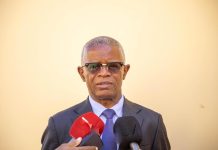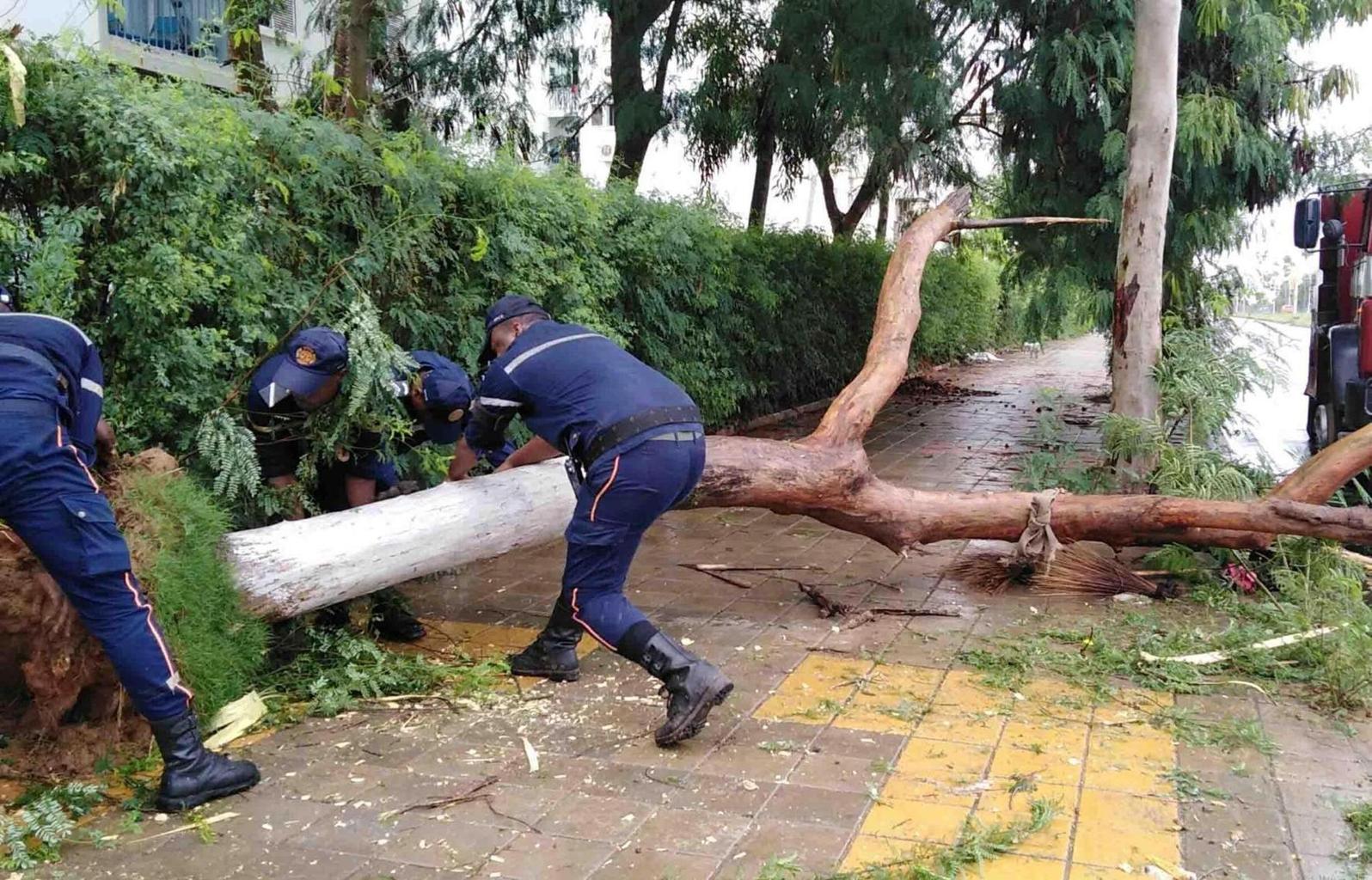
Africa-Press – Angola. The Secretary of State for the Interior, José da Silva, praised this Friday, in Cunene province, the implementation of the integral system of forecasting, monitoring and prior warning as an important element in the reduction of risk and natural disasters.
Speaking on the sidelines of the Fresan steering committee meeting, he said that it was in the Executive’s interest to put in place a comprehensive system of forecasting, monitoring and prior warning, for risk and disaster reduction, in order to reduce the economic impact of extreme events.
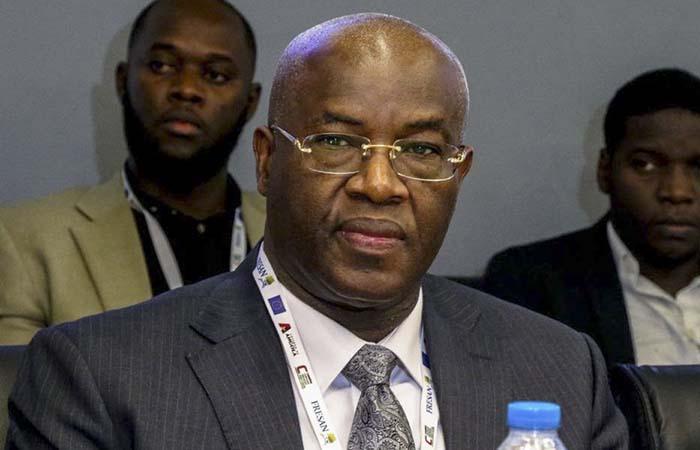
“The Executive, through the Ministry of the Interior, has collaborated in strengthening the institutional and communication capacity of the commands of the provinces affected by climate change, in the acquisition of information equipment”, he underlined.
José da Silva also said that the effectiveness of the system depends on the education of the communities, which must effectively disseminate alert messages that guarantee quick responses.
However, he reaffirmed the sector’s engagement in collaborating with all partners, in reducing hunger, poverty and creating increasingly resilient communities.
The Secretary of State for Health for the Hospital area, Leonardo Inocêncio, warned that due to climate change, the nutritional status of children under five years old becomes worrying.
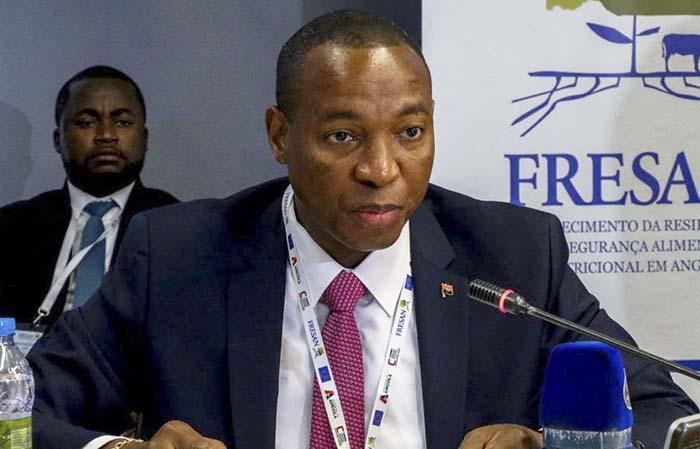
Leonardo Inocêncio thanked the European Community for its support, through the Fresam project, in health care through actions to improve nutrition indicators, human capital training, community screening of cases of malnutrition, treatment and others that contributed to strengthening the Information system.
In turn, the Secretary of State for Agriculture, João Bartolomeu Cunha, highlighted the Government’s commitment to creating a food system that guarantees access to permanent food and nutritional security for the population.
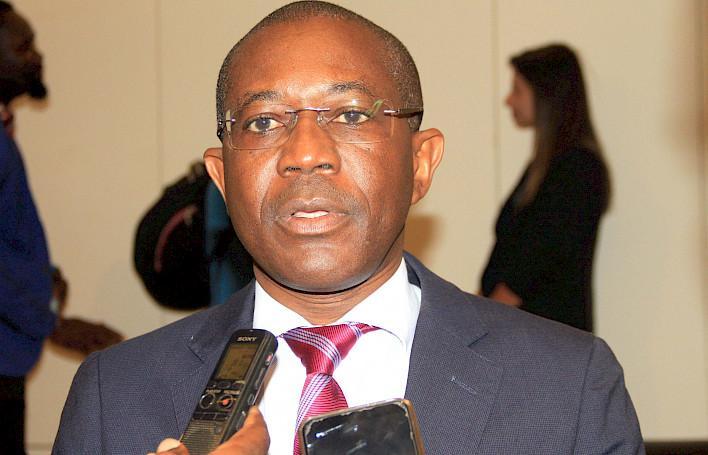
João Cunha said that a social assistance program was under way to transfer monetary income to vulnerable families and to set up a food reserve, to help with the effects resulting from natural disasters.
He also pointed out the national program for large-scale cereal production, as a basis for promotion actions for the production and supply of four types of priority cereals, such as maize, rice, wheat and soy.
According to the official, the Angolan government is creating policies to improve the availability and access to food, for the social protection of families and promotion of actions for the development of productive activities.
Launched in 2018, Fresan has a global value of 64 million euros, financed by the European Union. Of these, 48.6 million are managed by the Camões Institute.
With an execution period of six years, the project covers sustainable family agriculture, improvement of nutrition and access to water, institutional reinforcement and the clinical trial/research on chronic malnutrition.
For More News And Analysis About Angola Follow Africa-Press