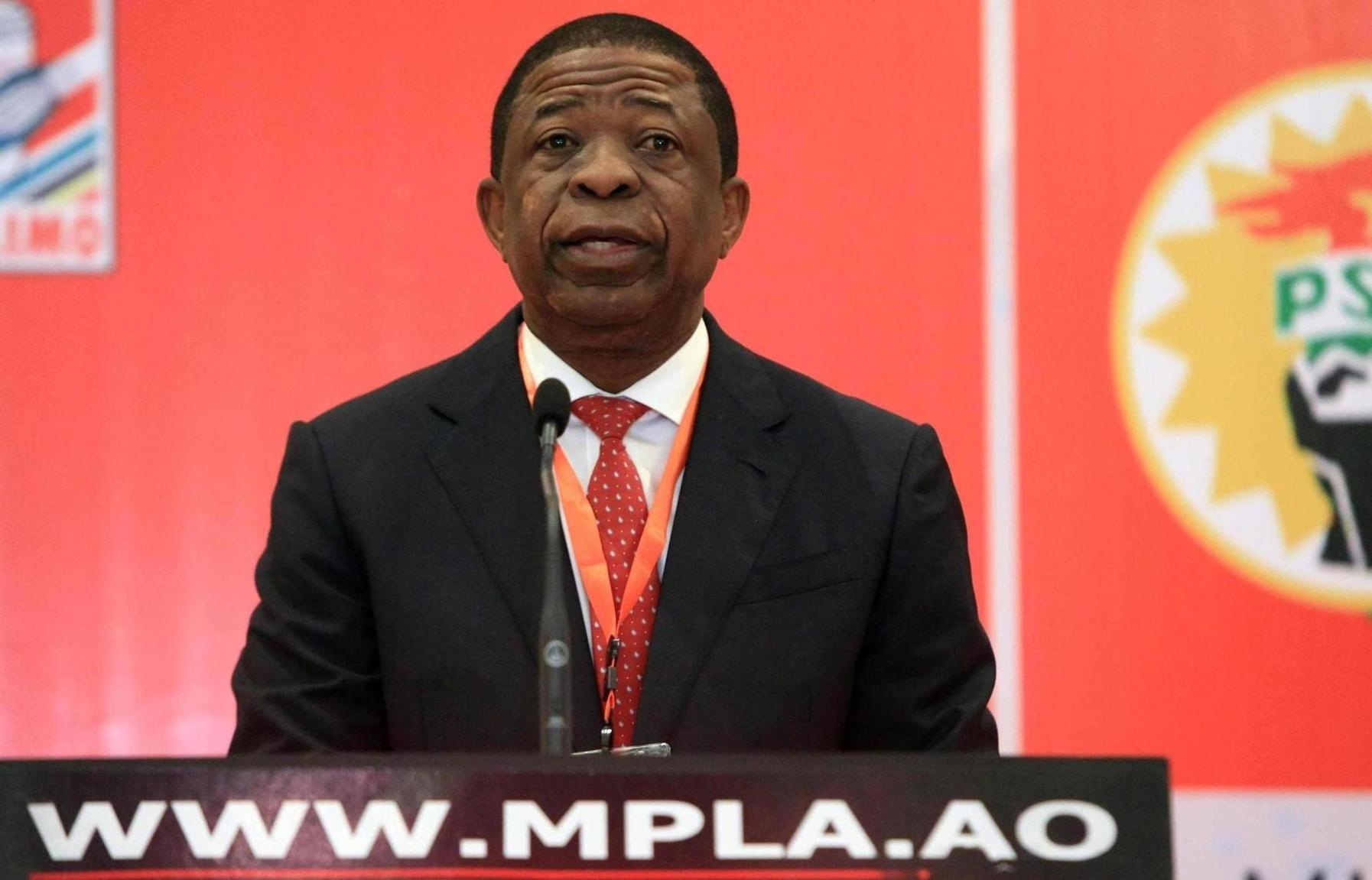
Africa-Press – Angola. The Secretary General of the MPLA, Paulo Pombolo, highlighted in Harare (Zimbabwe) the challenges facing regional political formations and the advantages of implementing/creating the Professor Julius Nyerere leadership school.
The politician made these statements during the meeting of the Secretaries-General of political parties, former liberation movements in Southern Africa, specifically MPLA (Angola), ZANU-PF (Zimbabwe), SWAPO (Namibia), FRELIMO (Mozambique), ANC (Africa do Sul), Chama Cha Mapinduzi (Tanzania) and Democratic Party (Botswana).
With the project to build a Leadership School, said the Secretary General of the MPLA, “a new stage of capacity building in young politicians from our parties and countries begins with a view to adopting a new intervention paradigm politics on the continent”.
On the other hand, Paulo Pombolo argued that, nowadays, shared knowledge becomes crucial, particularly if we want sustainable development.
He advocated even greater efforts to leverage multilateral cooperation, identifying each person’s challenges and finding mechanisms to overcome them.
Regarding the implementation of the project to create the Professor Julius Nyerere leadership school, Paulo Pombolo welcomed the consensus reached, at the meeting from 23 to 25 January this year, in Dar es Salaam (Tanzania), regarding the adoption of the same.
With this, he argued, a significant step was taken towards the realization of common aspirations, “which is the creation of this important political, technical and party training mechanism, which will raise the level of our relations”.
For this reason, he considers this to be the beginning of a new level in relations between these parties/movement.
Another major challenge for politicians is related to the need for a comprehensive and global vision of how information and communication technologies are changing the lives of populations and societies, their economic, social and cultural context.
Regarding the country (Angola), he mentioned that after the elections of August 24, 2022, President João Lourenço and the MPLA, winners, began implementing their government program, on the basis of which the Executive has been implementing the diversification of the economy seeking to take advantage of the excellent material conditions that the country has for agriculture, livestock, fishing, mineral activities, tourism, among others.
In the social sector, he said that Angola continues to develop large investments in the construction of schools, hospitals, electricity and water distribution networks and the formation of human capital, which have allowed the availability of basic services to citizens through greater development.
With this, the executive has been developing actions with the aim of improving macroeconomic stability, increasing internal productivity and achieving a balanced distribution of national income, highlighting to this end the programs to improve the business environment and the privatization of some companies in the public sector.
The meetings of this body aim to monitor new global and regional dynamics in the political, economic and social domains and seek alignment of the actions of the parties, as leading forces in their respective societies.
For More News And Analysis About Angola Follow Africa-Press