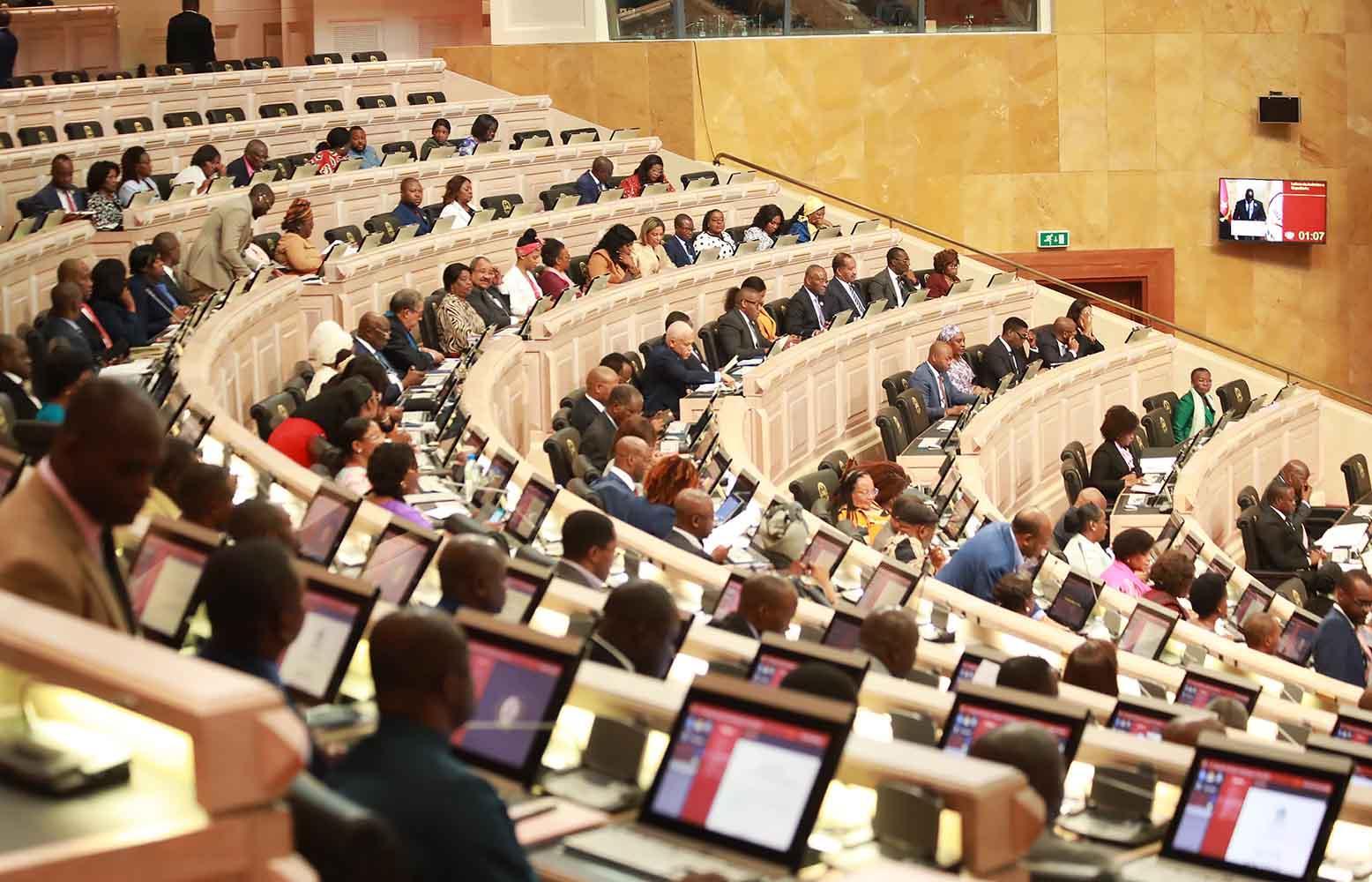
Africa-Press – Angola. The National Assembly (AN) on Tuesday, in Luanda, approved in Specialty Debate session the bill that amends the Angolan Passport Law and the Regime for the Exit and Entry of National Citizens.
The document, which will now be submitted to a final vote, received contributions from the MPs accepted by the proposer, in articles 5 (characteristics of the passport), 17 (replacement of a valid passport), 24 (validity of diplomatic passports), 34 (validity of ordinary passports) and 55 (preservation of personal data).
The bill was presented by the Government and aims to place the Angolan passport in accordance with the regulations of the International Civil Aviation Organization (ICAO), amending five articles of current legislation.
Speaking to the press at the end of a joint session of the 1st, 2nd, and 10th committees of the National Assembly (Parliament), the minister of the Interior, Manuel Homem, explained that the main change foreseen is the reduction of the passport’s validity period from the current 15 years to a maximum of 10 years, in accordance with international standards.
The minister added that the bill also includes changes to the validity of passports for minors, extending it from one to three years, in order to reduce the constraints faced by Angolan citizens and provide easy access to the service.
The government also proposes the adjustment of some articles of the law, with a view to strengthening the protection of citizens’ personal data, ensuring its compliance with current data protection legislation.
The minister of the Interior explained that, overall, the changes aim to modernize the legal framework of the Angolan passport and ensure greater security, efficiency and alignment with international standards.
In turn, rapporteur MP João Guerreira described the discussion surrounding the document as positive and important, highlighting the consensus among parliamentarians during the specialized debate.
According to the MP, one of the central points of the debate was Article 5, regarding which the minister presented clarifications considered plausible, clarifying the reasons for the public presentation of the passport before the special discussion.
According to João Guerra, the parliamentarians expressed their contentment with the minister’s explanations, including deputy Manuel da Fonseca, from UNITA, who raised the issue.
In December 2025, Angola launched the electronic passport, aiming to increase security, replace existing ones, and facilitate the international mobility of its citizens. It features a chip containing biometric data and is aligned with international standards.
On Wednesday (7), MPs will discuss and vote, in detail, on the Draft Law to approve the Statute of Non-Governmental Organizations (NGO).
For More News And Analysis About Angola Follow Africa-Press