Africa-Press – Angola. The National Transport Network (RNT) receives, on the 30th of this month, the 175.5 kilometers of the Lubango-Caconda section, in Huíla, now free of mines, for the implementation of the electrification project in the provinces of Huíla and Huambo.
The demining process was part of the implementation of the 400 kV energy transmission line, coming from the Belém do Dango substation, in Huambo to Lubango, using energy produced in the North.
The “Belém do Dango – Lubango” High Voltage Line project, in total, has a length of 343 kilometers, 60 in width, the transit capacity is 2271 MVA at the thermal limit of the conductor cables, it will connect the Belém do Dango and Lubango, according to the acting spokesperson for the National Demining Center in Huíla, Fernando Katyavala.
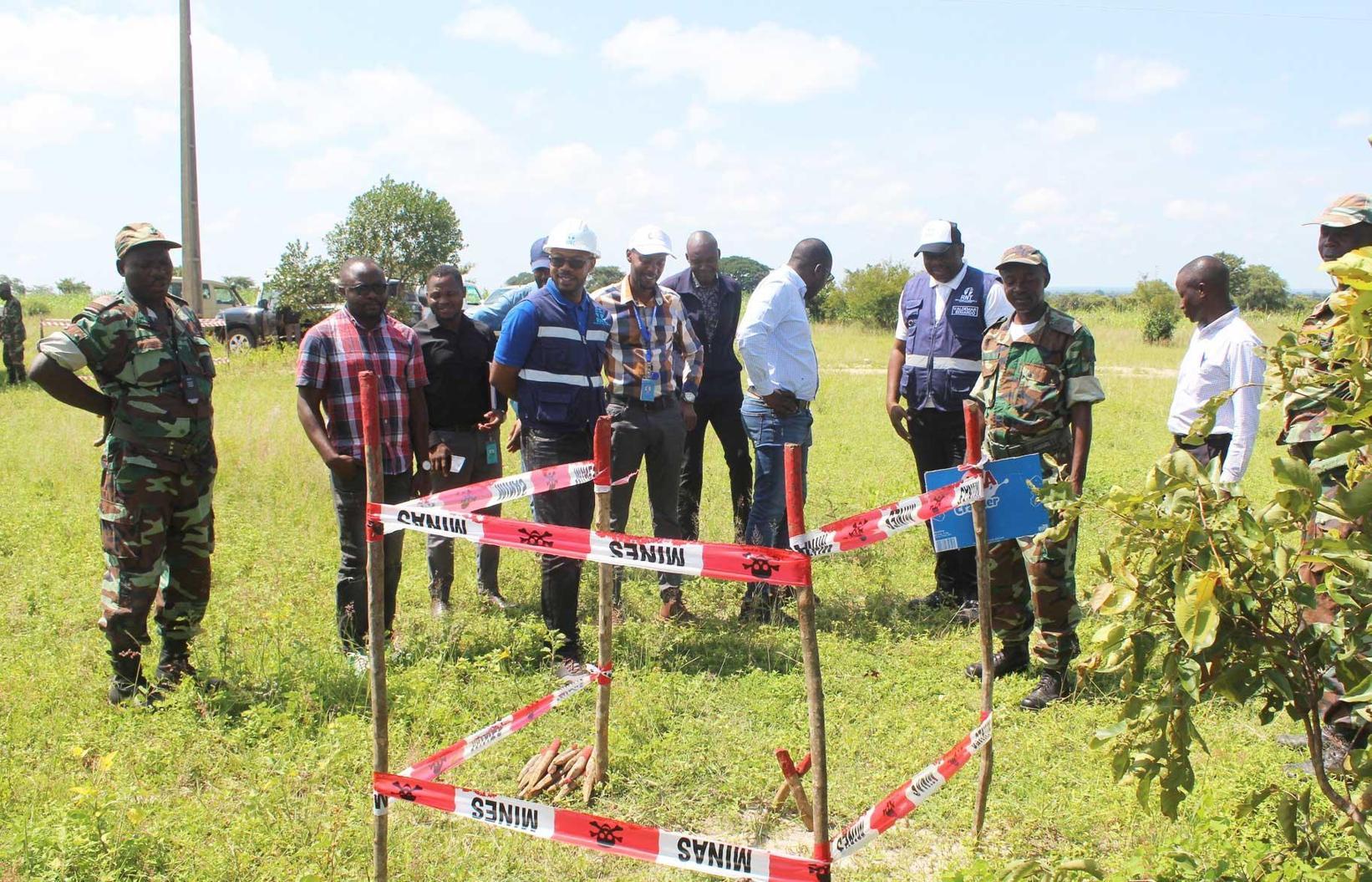
Fernando Katyavala highlighted that the work lasted five months, with two bombs, 12 unexploded explosive devices, 89 ammunition and ten thousand various metals removed from the section.
He detailed that the planned deadline for carrying out the process was fully met and according to spokesperson Fernando Katyavala, the section will be handed over to the RNT for the start of electrification work.
He highlighted that during the period, they were faced with constraints caused by the relief of certain areas of the municipality of Cacula, as well as rains that delayed the work carried out by 27 local technicians and three from Huambo.
Fernando Katyavala said that the next project will again focus on the Matala/Gove section due to some changes that were considered important by the RNT, the initial route suffered some deviations, so there will be a need for manual and mechanized teams to be there again.
The 400 kV line, between the Belém do Dango and Lubango substations, is part of a wider program of projects designed to essentially ensure the transport of production from the Laúca Hydroelectric Plant to the North, Center and South of Angola.
The line after Lubango will be taken to the provinces of Cunene and Namibe.
For More News And Analysis About Angola Follow Africa-Press