Africa-Press – Angola. The ministers of Labor and Employment, as well as the Social Partners of the Southern African Development Community (SADC) will be evaluating, from this Wednesday, the documents prepared by experts from the Member States, since Sunday, 24, at city of Lubango, province of Huíla.
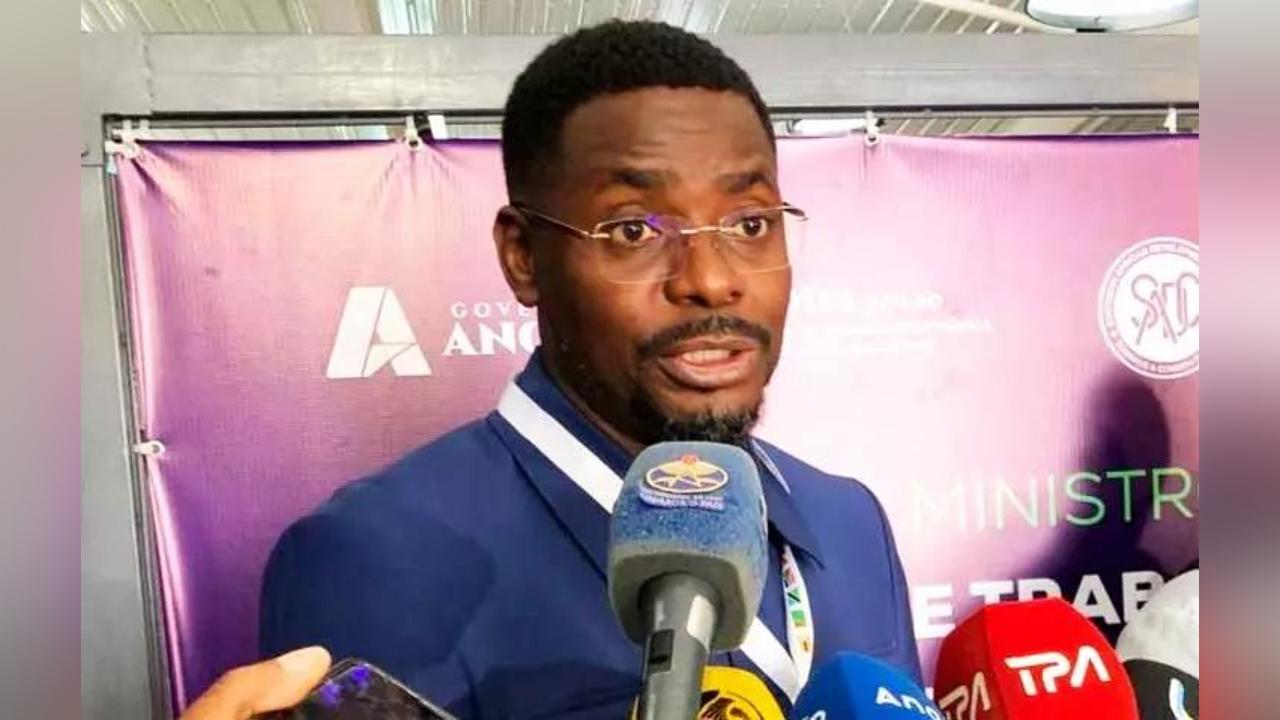
When taking stock of the two days of work at the technical meeting of senior SADC officials, the director of the Legal and Exchange Office of the Ministry of Public Administration, Labor and Social Security (MAPTSS), David Kinjica, stated that the conditions have been created for the assessment of experts’ recommendations, so that ministers can ratify them.
The documents include the status of the signing and ratification of the SADC Employment and Labor protocol, macroeconomic and sectoral strategies promoting employment in the organization, as well as the draft model framework for autonomous systems for resolving disputes of a labor nature in the Community.
The reports of the Member States that sit on the Board of Directors of the International Labor Organization, the inconsistencies in technical-vocational education and training in the Member States, the organization’s action plan on labor migration and the implementation of the code of conduct on child labor are among the themes for consideration.
The ministers begin arriving this afternoon in the city of Lubango.
Meeting brings standardized models to retain staff in the region
The event’s spokesperson also said that regarding labor migration, the challenge is the national qualifications systems of the various SADC countries, where standardized models were proposed, similar to what in the country is called the National Qualifications System (SNQ).
He mentioned that the discussions revolved around the SNQ and the common standards that SADC can adopt, to attract staff and promote them within the Community, in order to prevent them from “fleeing” to other regions.
He highlighted that there is a mobility of this drain of professionals in Angola and the region, so the challenge they face through the SNQ facilitated the creation of the National Qualifications Institute (INQ), which aims to create a system that values professionals and the harmonization of national curricula.
In the Code of Conduct on Child Force, the person responsible said it is a deontological guide on what countries should adopt as conditioned, prohibited work and what can be allowed for minors, seeking to find standardized minimum standards in the region.
Another aspect of the topic, according to the source, was the discussion of what child labor is, since the issue has a “strong” cultural bias in the societies of each Member State, among other discussions for the prevention of child labor in the region..
Regarding job insecurity, David Kinjica highlighted that they continue to be permanent subjects of discussion, from health, safety and hygiene at work, as members have to find a balance regarding the demands placed on employees, combined with the need to preserve jobs.
For More News And Analysis About Angola Follow Africa-Press