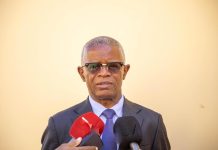
Africa-Press – Angola. The Mozambican ambassador to Angola, Osvalda Joana, pointed out the need for major studies and agreements between the member countries of the Southern African Development Community (SADC) so that there is a “single currency” in the region.
From the point of view of the diplomat, who was speaking within the framework of the 43rd Summit of Heads of State and Government of SADC, to be held from 7 to 17 August in Luanda, it is necessary to assess the pros and cons, the advantages and the most appropriate procedures for the implementation of a single currency in the community of countries further south in Africa.
“We cannot rush in and implement before assessing the pros and cons, the advantages and the most appropriate procedures and seeing which currency will be established and when it will come into force”, indicated Osvalda Joana.
On the implementation of a single currency in the region, SADC has already foreseen goals, results and impact and challenges.
According to the Implementation Framework of the Strategic Indicative Plan for Regional Development, 2018 was the deadline defined for achieving this milestone, that is, the implementation of the single currency.
SADC data indicate that the final step in the process of deepening regional economic integration in SADC is the implementation of a single currency, which will establish the region as an Economic Union.
As regards the results and impact of the implementation of a single currency, it should be noted that, although the expected date for the launch of a Single Currency is several years away from its realization, the SADC Payment Systems Steering Committee has developed a proposal for the establishment of a system to facilitate cross-border settlement and payment.
This system, indicates SADC, would allow the settlement of payment operations in a central location and would be based on a single currency.
The aforementioned model system is initially being tested in the current countries of the Common Currency Zone, which use the South African Rand (South Africa, Lesotho, Namibia and Swaziland) and, if successful, will be ready to be implemented in the remaining SADC Member States as the region moves forward in its integration process.
In terms of challenges, the biggest currently, to achieve this goal, and any of the most advanced integration milestones in economic terms, is the lack of clarity around the issue of countries that are members of more than one customs union.
Only when this issue is resolved will SADC be able to move forward with its regional economic integration agenda.
Statistics indicate that, by 2019, the community had an estimated population of 366 million inhabitants and total intra-SADC merchandise trade was estimated at 58,745 million in 2020.
The main objectives of SADC are to achieve development, peace and security, economic growth, reduce poverty, raise the standard and quality of life of the populations of Southern Africa, and support disadvantaged social strata through regional integration, based on democratic principles and equitable and sustainable development.
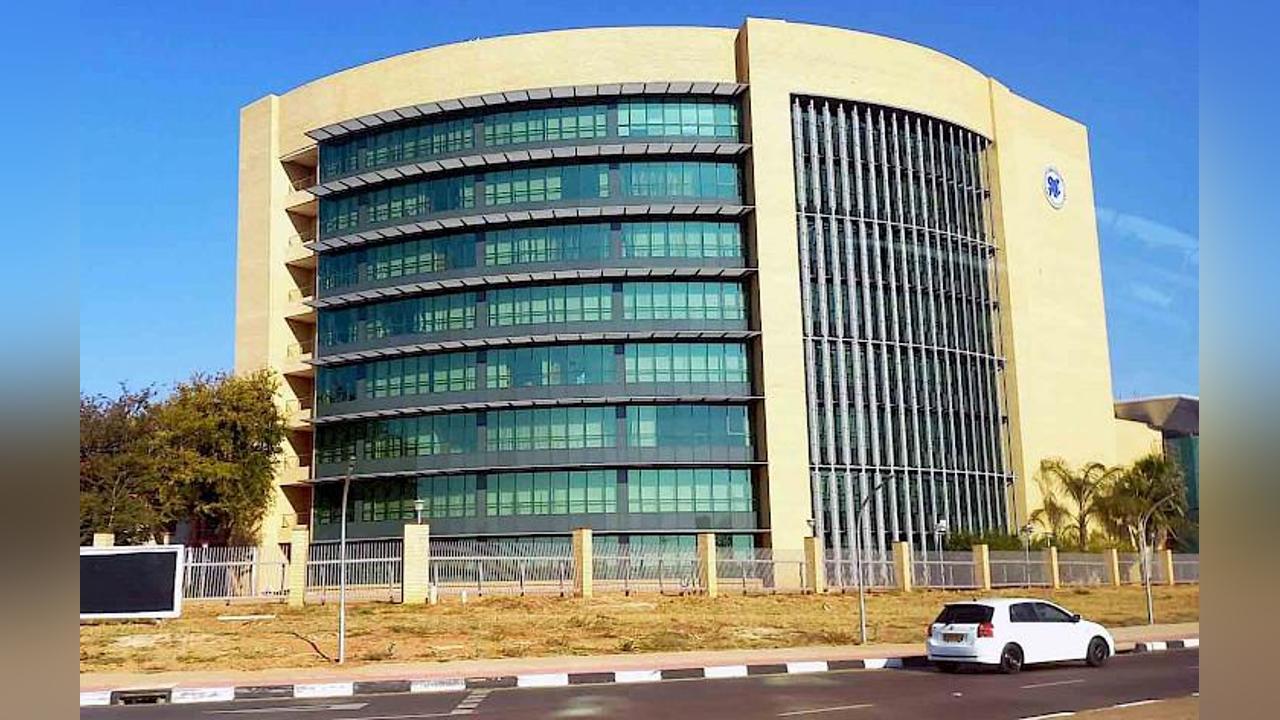
The Southern African Development Community (SADC) was created in 1992 to encourage trade relations between its 16 member countries and has its headquarters in Gaborone.
Botswana, South Africa, Angola, Botswana, Comoros, Democratic Republic of Congo, Lesotho, Madagascar, Malawi, Mauritius, Mozambique, Namibia, Seychelles, Eswatini, Tanzania, Zambia and Zimbabwe are part of the organization.
For More News And Analysis About Angola Follow Africa-Press