Africa-Press – Cape verde. The resident coordinator of the United Nations System in Cape Verde argued on Tuesday that good digital governance requires evidence-based public policies, data, clear regulation, cybersecurity, and digital trust.
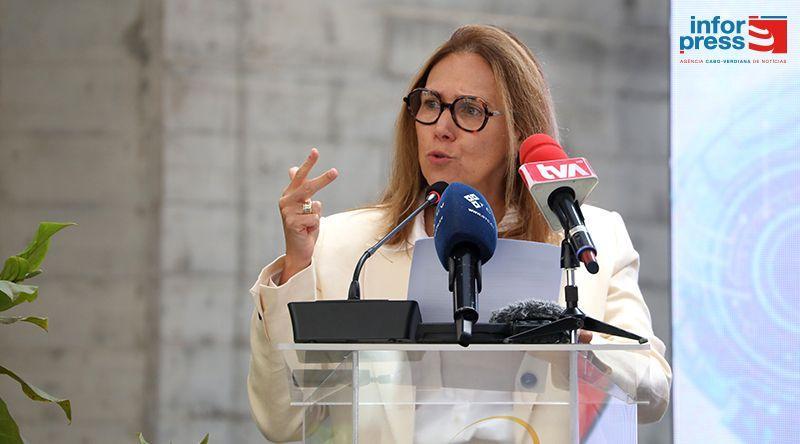
Patrícia Portela was speaking at the 6th edition of the Cape Verde Internet Governance Forum (IGF-CV), which calls for the active inclusion of women, young people, and people with disabilities, as well as close cooperation between government, municipalities, the private sector, academia, and society as a whole.
She also warned that governing the digital world also implies addressing risks such as disinformation and content manipulation, which become systemic threats to democracy, public health, and social cohesion.
“The use of so-called ‘deepfakes’ and artificially generated content can deceive, defame, or even silence, undermining trust in people and digital systems, and especially the facts themselves,” she added.
Patricia Portela emphasized that these technologies are no longer topics of the future, but directly influence areas such as the economy, public services, education, health, and even geopolitics.
She considered that the way the digital world is currently governed will be decisive for the success or failure of sustainable development, highlighting that digital transformation can accelerate the Sustainable Development Goals, provided it is secure, inclusive, and based on human rights.
She explained that in Cape Verde, digital transformation has been defined as one of the three pillars for accelerating sustainable development by the United Nations, alongside the blue economy and local development, already impacting economic inclusion, modernization of public services, and increased transparency.
However, she warned that without adequate governance, the digital world can deepen inequalities and exclude the most vulnerable groups, arguing that internet governance should be seen as a matter of human rights and social justice.
The official pointed out risks associated with the use of artificial intelligence, particularly when algorithms reproduce biases and inequalities, affecting areas such as access to credit, employment, health, and justice, with a particular impact on women, young people, rural populations, and people with disabilities.
The event, promoted by the Multissectoral Regulatory Agency of the Economy (ARME), continues on Tuesday, the 22nd, with a mentoring session dedicated to girls and young women, in partnership with SheTech and Women in Tech.
The program involves students from different high schools in the city of Praia; this initiative is part of the celebration of the International Girls in ICT Day, celebrated worldwide this year on April 23rd.
For More News And Analysis About Cape verde Follow Africa-Press