Africa-Press – Eswatini. Eswatini has added a powerful and thoughtful voice to the global development debate, calling for a decisive shift away from outdated international frameworks that have failed to deliver meaningful transformation for developing nations.
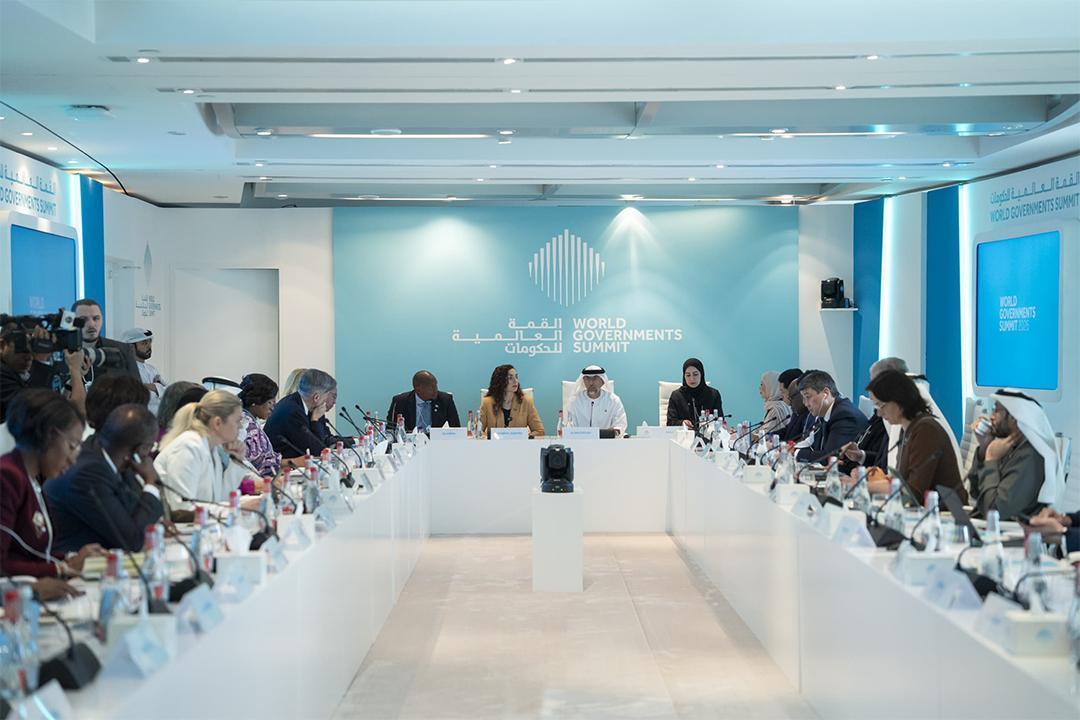
Speaking during the XDGs 2045 Ministerial Roundtable on the sidelines of the World Government Summit, Prime Minister Russell Mmiso Dlamini made it clear that the world is at a turning point. The focus, the Prime Minister argued, must move beyond simply measuring poverty and inequality to actively dismantling the systems that sustain them.
For decades, global development models have prioritised indicators over impact. While progress has been tracked, poverty has persisted, debt has grown, and aid has too often reinforced dependency rather than resilience. Climate change, Dlamini noted, stands as living proof that past development pathways were fundamentally flawed and unjust in how they now burden those least responsible.
“If these frameworks truly worked,” Dlamini argued, “small, peaceful and stable countries would already be developed.” Africa’s continued marginalisation, despite its vast human and natural resources, is not accidental but a reflection of systemic design failures that the proposed Transformational Development Goals (XDGs 2045) must confront head-on.
Central to Dlamini’s message was the need for development systems that are adaptive by design. One-size-fits-all solutions, the country emphasised, do not reflect the diverse realities of nations. Instead, governance reforms, financing tools and development pathways must be tailored, inclusive and rooted in national contexts.
Development finance emerged as a critical pillar of reform. The Prime Minister called for a new global financing architecture that is affordable, catalytic and supportive of self-reliance. Spiralling debt and rigid conditionalities, he warned, continue to shrink policy space and limit growth, undermining genuine development.
The Premier also highlighted the urgent need to break down silos between climate finance, development funding and humanitarian assistance. For small and vulnerable states, fragmented systems weaken impact and strain already limited capacity. Future frameworks, Dlamini stressed, must reward coordination and whole-of-system approaches.
From the Prime Minister’s perspective, three priorities stand out: innovative development finance; investment in digital public infrastructure and future-ready skills, particularly for youth; and governance systems that are people-centred and results-driven.
Africa’s youthful population was identified as its greatest asset. Any development agenda that fails to turn youth potential into productivity, the Prime Minister cautioned, is destined to fall short. Digital transformation, climate-resilient agriculture, water security and clean energy were described not as optional ambitions, but as foundational pillars for sustainable growth.
Looking ahead, Dlamini expressed confidence in Eswatini’s future trajectory. With the right global frameworks, the Prime Minister believes that what was not achieved in the past three decades can be realised within the next ten years. As a small state with limited margins for error, Eswatini is ready to pilot bold and innovative approaches that can be scaled across regions.
The message was clear and optimistic: the success of XDGs 2045 will not be judged by ambition or rhetoric, but by decisive action. The moment, the Prime Minister concluded, demands more than adjustment — it demands disruption.
For More News And Analysis About Eswatini Follow Africa-Press