Africa-Press – Eswatini. Government has reaffirmed its commitment to using science, technology and innovation (STI) to tackle Eswatini pressing challenges, especially youth unemployment, climate change, and food insecurity.
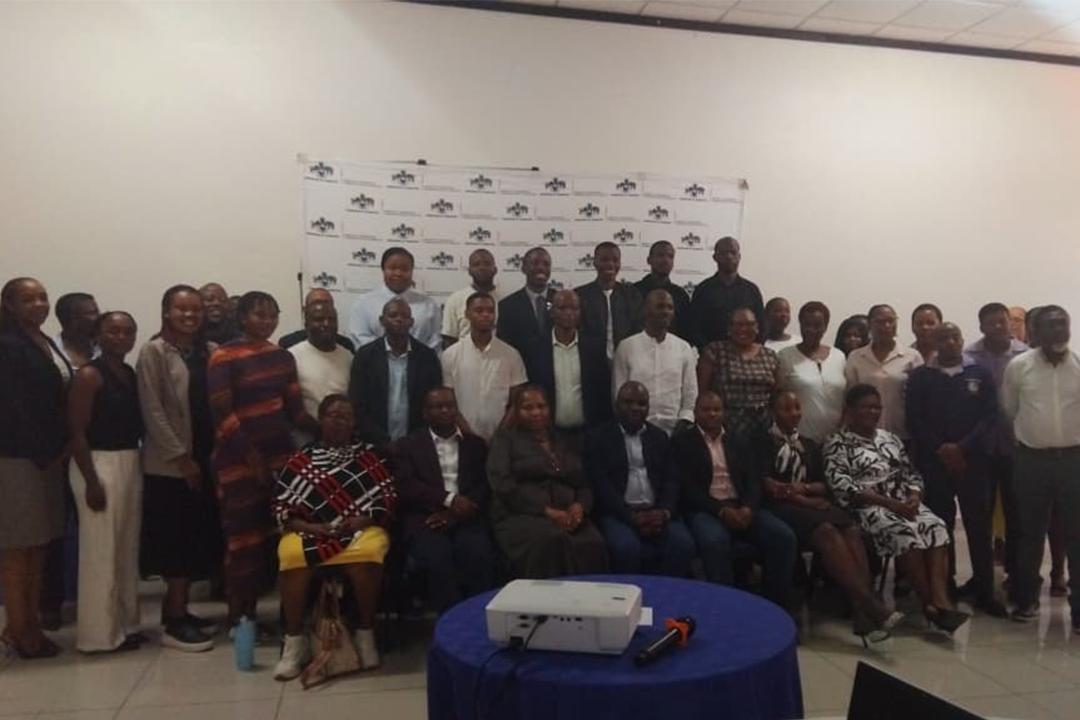
This was highlighted by Senior Science Officer in the Ministry of ICT, Thembelani Nhlabatsi, representing Dr. Rejoice Maseko director of RSTI during a stakeholders consultative workshop on March 30, 2026 at The George Hotel, Manzini, focused on the strategic direction of the Eswatini Young Academy of Sciences (EYAS).
“Science, technology and innovation are not luxuries; they are essential engines of national progress. Knowledge is the new currency of development,” Nhlabatsi said. He noted that the country faces complex challenges requiring homegrown, evidence-based solutions, and that strengthening the National System of Innovation (NSI) is both a strategic necessity and a moral obligation.
He explained that a 2017 mapping of the NSI revealed fragmentation, brain drain, and weak links between research institutions and industry. Since then, government has moved “from diagnosis to action”, developing STI policies, a Bioeconomy Strategy, 4IR/5IR and AI strategies, and establishing institutions including KEAS, WISET, RSTP, and the upcoming National Research Council (NRC).
EYAS, launched on September 30, 2025, will serve as a youth-driven platform to nurture scientists, promote innovation, and translate research into practical solutions. “Youth are not just beneficiaries of innovation, they are its drivers,” Nhlabatsi said.
Meanwhile, EYAS Interim Secretary General, Dr Mduduzi C. Shongwe, said the academy is a non-profit body uniting young scientists to tackle national and global challenges.
He emphasized EYAS role in creating opportunities for youth employment by promoting science careers, innovation, and entrepreneurship, while equipping young researchers with skills relevant to the labour market.
Dr Mduduzi Shongwe also highlighted obstacles including low R&D funding, weak academia-industry collaboration, and limited STI capacity. “Investment in research remains low, at just 0.26 percent of GDP,” he said, stressing that strengthening STI systems is key to job creation and economic growth.
Both speakers urged stakeholders to contribute to shaping EYAS’s strategy to ensure it is impactful, inclusive, and aligned with national priorities.
“This is about building an institution that mobilizes youth potential, harnesses science for public good, and drives Eswatini toward a resilient and prosperous future ”Thembelani Nhlabatsi concluded.