Africa-Press – Gambia. h
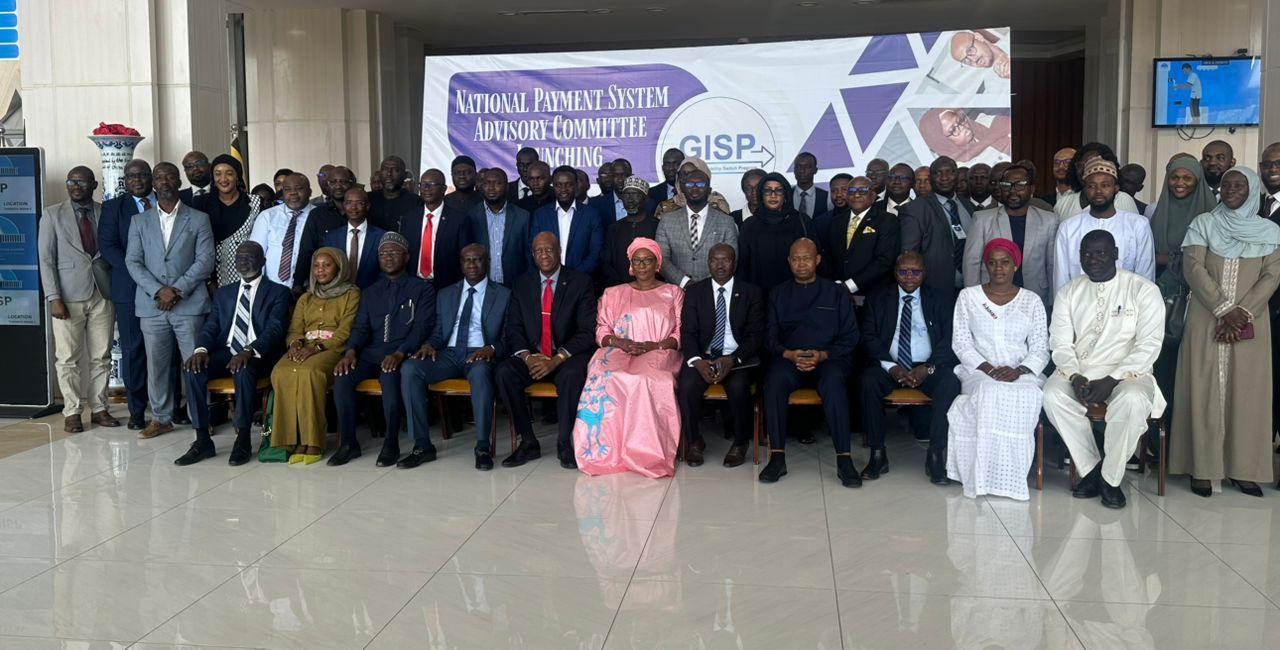
The Central Bank of The Gambia (CBG) Monday launched Payment Systems Advisory Committee (NPSAC), a step aimed at strengthening the country’s digital payment infrastructure.
The launch ceremony was held at the SDJK Conference Centre in Bijilo. Speaking at the event, Minister of Communications and Digital Economy Lamin Jabbi said the government was expanding digital transformation through initiatives such as digital identity, e-government services, government mobile applications, a second submarine cable, and unified payment gateways.
“Payment systems are essential components of any modern economy,” he said. “It is imperative for stakeholders to plan, design, and implement payment system reforms in a holistic manner. We need a strong and coordinated payment ecosystem that is inclusive and ensures that no Gambian is left behind.”
Minister Jabbi highlighted the role of digital payments in the global economy, noting that “the tap of a telephone or the scan of a QR code is not just convenient; it is a backbone of a global revolution, representing the fastest migration of value and mobilization of financial resources in human history.”
CBG Governor, Buah Saidy commended stakeholders for participating in what he described as a pivotal milestone in the country’s financial sector. He outlined the bank’s progress in modernizing financial infrastructure, including upgrading the real-time gross settlement (RTGS) system, enhancing the automated clearinghouse, and supporting the growth of mobile money and other digital channels.
“These efforts are not merely technical upgrades,” Governor Saidy said. “They respond to the aspirations of Gambians for seamless, secure, and instant transactions. However, challenges remain, including cyber-security threats, mobile money fraud, and gaps in scalability and interoperability between banks, fintechs, and other players.”
He explains that the NPSAC’s mandate is to advise the central bank on regulation and oversight, while also ensuring that the country’s payment infrastructure is safe, efficient, inclusive, and forward-looking.
Karamo Jawara, Director of Banking and Payment Systems at CBG, described the launch as a statutory requirement and a demonstration of shared commitment to institutional cooperation and sustainable economic development. He says the committee’s working groups will provide expertise to address current and emerging challenges in the payment systems landscape.
“This committee will play a key advisory role in shaping the regulation, oversight, and development of payment systems to meet the evolving needs of our economy,” he said, urging members to approach their work with partnership, innovation, and a shared sense of purpose.
Commissioner General of the Gambia Revenue Authority (GRA), Yankuba Darboe, said a well-integrated national payment system would benefit not only tax administration but also the broader financial sector. He noted that digitalization and banking systems have enabled GRA to increase annual revenue collection from around 5–6 billion dalasi without raising tax rates, by broadening the tax base and reducing leakages.